politics - Master This Word
Master this word with our 5-step learning method – Learn English in English
Train English Through Brain Routes, Not Translation.
This page helps you stop memorizing isolated translations and start understanding a word through its shared mental image, native-style thinking, and practical training steps.
Master this word with our 5-step learning method – Learn English in English

Example sentences are the start of understanding. Don't rush to memorize. First feel how the word works in a sentence.
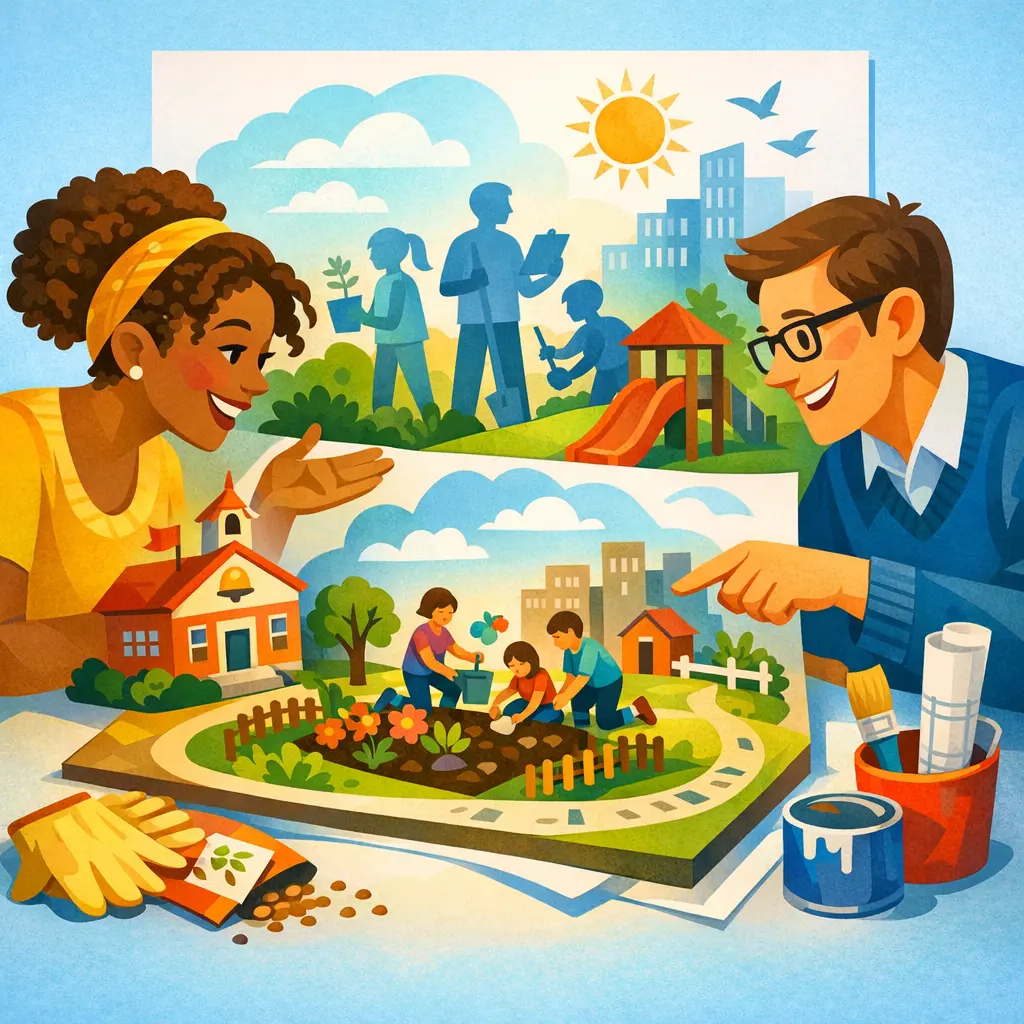
Root: poly- = many, tics = practices. Historical origin: Greek → Latin → English. Imagine many individuals engaging in various practices to influence governance, representing the complex nature of politics.
Note 1: These definitions and etymologies are not standard dictionary definitions, but extended explanations provided to help with memorization and understanding of the actual application of words. Through this background information, we strive to make words more vivid and easier to understand, and help you remember their meanings in real life.
Note 2: LexiTalk designs the learning flow around the linguistics principle of “Comprehensible Input.” When learners encounter material that is slightly above their level but still understandable from context, the brain naturally absorbs the language. That’s why we keep every word inside authentic contexts, using examples and associations to help you understand it and use it flexibly.
Read the FAQ explanation of Comprehensible InputI push open a door and step into a crowded room where voices push and pull over rules. I move among the chatter, watching how people shift seats and positions as they argue about who should lead and what should change. It feels tense but alive, a test of balance and nerve as I decide what to listen to and what to let go. I set my own stance, hold focus on the thread of arguments, and let the conversation show how politics lives in everyday life.
Politics is the set of activities and ideas that influence who has power and how it is exercised. It covers elections, government policy, public debates, and the ways people organize to shape decisions. In everyday life, politics can appear in conversations about taxes, health care, education, and national security. The field also studies how communities, parties, and interest groups compete and cooperate to define rules and priorities. While some use politics to pursue ideals, others pursue advantage, making it a dynamic and sometimes contentious arena. Understanding politics involves history, institutions, values, and the behavior of leaders and citizens alike.
English speakers often separate 'politics' as a broad, systemic field from personal views; learners tend to conflate politics with party loyalty or specific policies. Emphasize the uncountable nature of politics and its use with phrases like 'the politics of X' or 'local politics'.
What is the meaning of the word 'politics'?
In which of the following contexts is the word 'politics' commonly used?
Which word is similar to 'politics'?
Which word is the opposite of 'politics'?
How is the word 'politics' relevant in daily life?
Download LexiTalk app for personalized learning experience
Download AppCookies
We use cookies for essential site functions, analytics, and ads. You can accept, reject, or manage preferences. Privacy Policy