rare - Master This Word
Master this word with our 5-step learning method – Learn English in English
Train English Through Brain Routes, Not Translation.
This page helps you stop memorizing isolated translations and start understanding a word through its shared mental image, native-style thinking, and practical training steps.
Master this word with our 5-step learning method – Learn English in English
Example sentences are the start of understanding. Don't rush to memorize. First feel how the word works in a sentence.
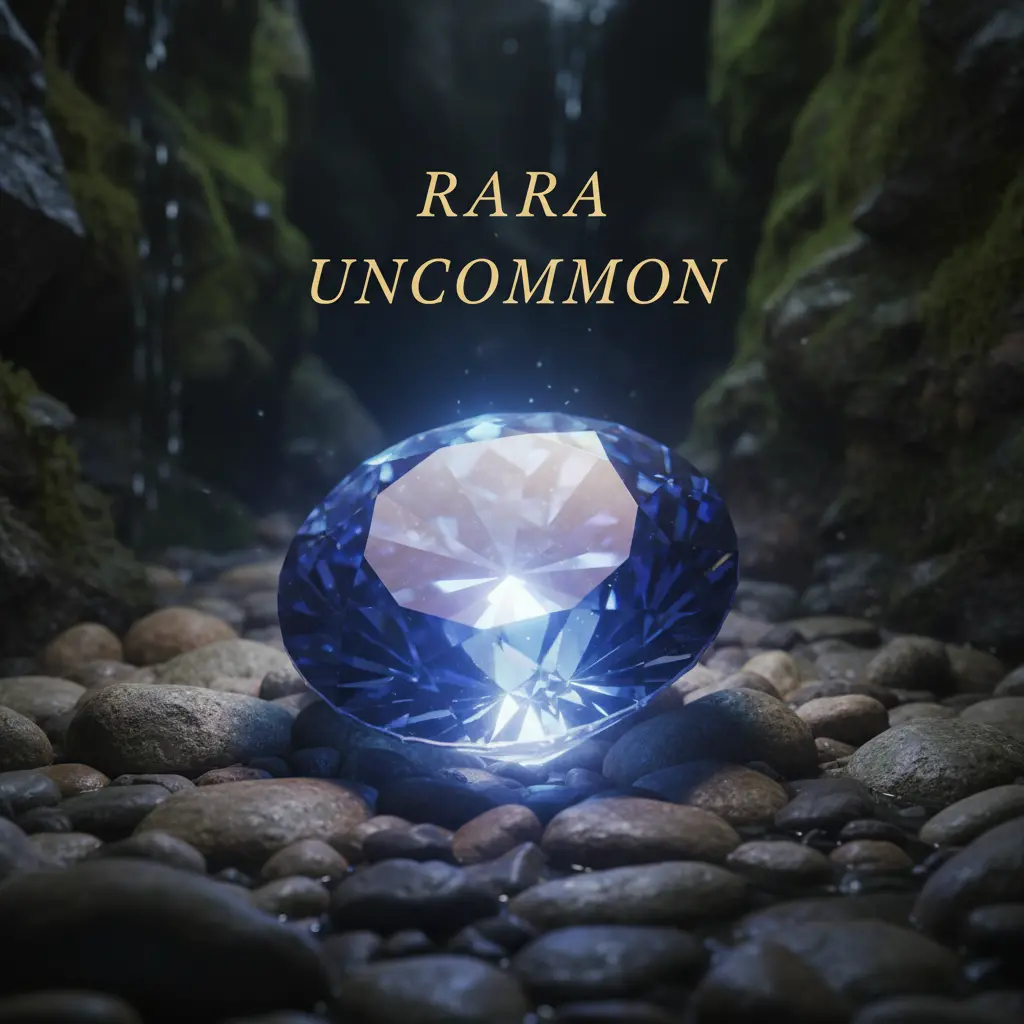
rare = from Latin 'rara', meaning 'uncommon'. The word moved through Old French to Middle English. Picture a rare gem shining brightly among ordinary stones, making it unforgettable.
Note 1: These definitions and etymologies are not standard dictionary definitions, but extended explanations provided to help with memorization and understanding of the actual application of words. Through this background information, we strive to make words more vivid and easier to understand, and help you remember their meanings in real life.
Note 2: LexiTalk designs the learning flow around the linguistics principle of “Comprehensible Input.” When learners encounter material that is slightly above their level but still understandable from context, the brain naturally absorbs the language. That’s why we keep every word inside authentic contexts, using examples and associations to help you understand it and use it flexibly.
Read the FAQ explanation of Comprehensible InputI lean toward a shelf and move my hand along the items, pushing aside the ordinary to search for something rare. A small card glints differently, a name you don’t see every day, and I turn it over in my mind while keeping the pressure steady. The change in focus nudges my brain to adjust my attention, and I feel the meaning emerge without me spelling it out. I keep watching the space around the item, letting the sense of rarity settle as a quiet feeling I recognize in future moments.
Rare describes something that does not occur often, perhaps because it is scarce or because there are few examples. It can refer to unusual traits, events, or items that have high value due to rarity. In everyday English, speakers often pair rare with intensifiers like very, extremely, or truly to stress scarcity or significance, as in a rare gem or a rare opportunity. The sense of worth tied to scarcity appears in markets, collectibles, and reports about wildlife or history. Learners should note that rare contrasts with common, usual, frequent, or ordinary, and that context determines whether to emphasize rarity or value.
English tends to separate rarity (frequency) from value (scarcity) and uses intensifiers to emphasize both; learners often overemphasize cost or confuse rare with rarely.
Which option gives the best definition of the word 'rare'?
Which sentence uses the word 'rare' correctly?
Which word is most similar in meaning to 'rare'?
Which word is the best opposite (antonym) of 'rare'?
Can you think of a real-life context where using the word 'rare' would be appropriate? Choose the best scenario.
English Learning Listening Content
Listen NowDownload LexiTalk app for personalized learning experience
Download AppCookies
We use cookies for essential site functions, analytics, and ads. You can accept, reject, or manage preferences. Privacy Policy