rice - Master This Word
Master this word with our 5-step learning method – Learn English in English
Train English Through Brain Routes, Not Translation.
This page helps you stop memorizing isolated translations and start understanding a word through its shared mental image, native-style thinking, and practical training steps.
Master this word with our 5-step learning method – Learn English in English
Example sentences are the start of understanding. Don't rush to memorize. First feel how the word works in a sentence.
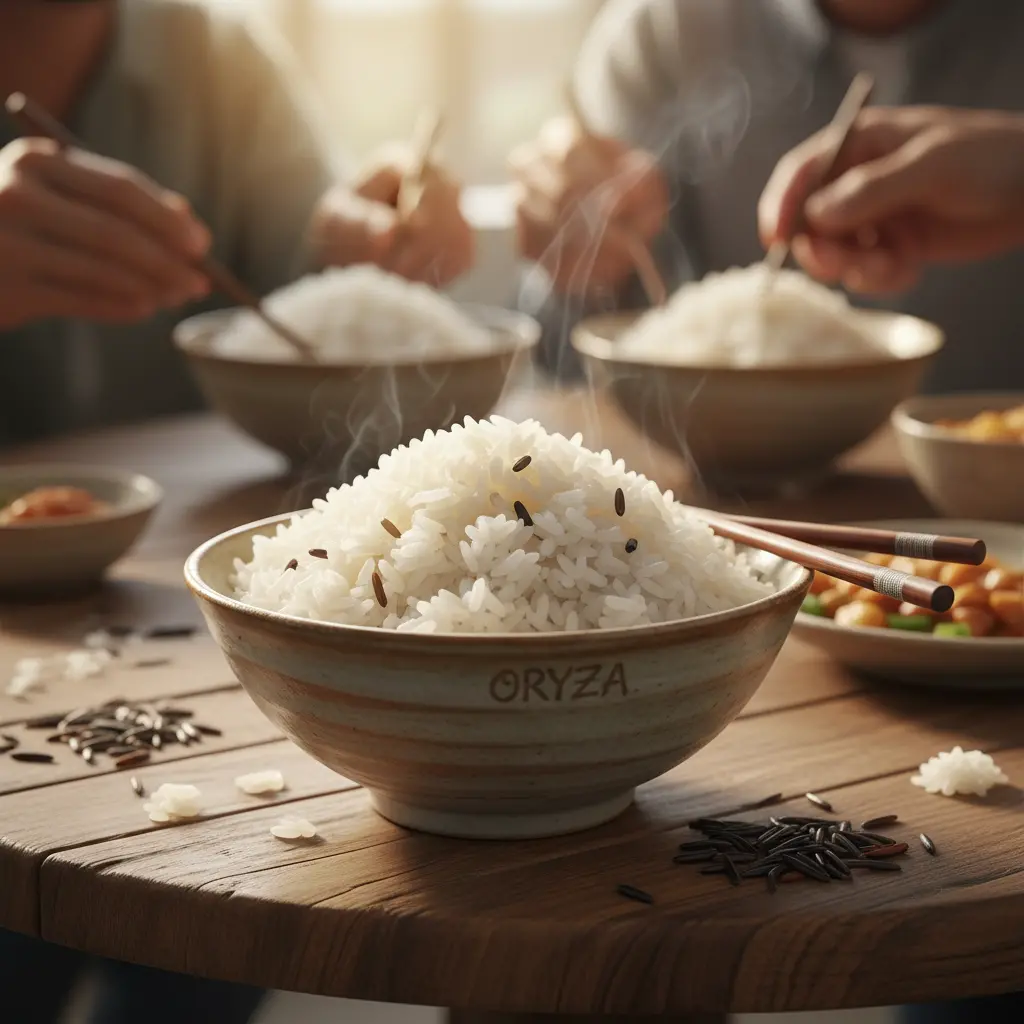
The word 'rice' comes from Old French 'ris', from Latin 'oryza', from Greek 'oryza'; imagine a bowl of fluffy rice, a staple at many meals, symbolizing nourishment and unity.
Note 1: These definitions and etymologies are not standard dictionary definitions, but extended explanations provided to help with memorization and understanding of the actual application of words. Through this background information, we strive to make words more vivid and easier to understand, and help you remember their meanings in real life.
Note 2: LexiTalk designs the learning flow around the linguistics principle of “Comprehensible Input.” When learners encounter material that is slightly above their level but still understandable from context, the brain naturally absorbs the language. That’s why we keep every word inside authentic contexts, using examples and associations to help you understand it and use it flexibly.
Read the FAQ explanation of Comprehensible InputI reach for a handful of rice and rinse it in a cup of water, watching the grains spin and settle. I move the bowl back and forth, a soft scrubbing action that loosens any dust and makes the water cloudy at first. As the water runs clear, I set the pot on the stove, turn the heat up, and keep an eye on the simmer, adjusting the flame so the bubbles stay gentle. The grains steam and soften, carrying a warm scent that says supper is near, a simple, quiet promise of meal after a long day.
Rice is a type of grain grown around the world, forming the base of countless meals. In everyday use it refers to the starchy seeds of the grass Oryza, harvested after milling and often served steamed, boiled, or fried. In many Asian cuisines it is a staple, shaping daily routines, celebrations, and the rhythm of the kitchen. The word itself traces back to Old French ris, then Latin oryza and Greek oryza, reflecting a long history of trade and nourishment. When you hear rice, think not only of white grains but of varieties such as brown, jasmine, basmati, and risottos that carry different textures and aromas. Rice binds families around a shared table.
Rice as a mass noun in English means you rarely say 'a rice'; use phrasing like 'a bowl of rice' or 'rice grains'. Learners often default to counting it or treat it like raw food; also there are many meal-specific collocations (rice cooker, fried rice) that are essential to learn.
What is the meaning of the word 'rice'?
In which of the following dishes is rice commonly used?
Which word is similar to 'rice'?
What is the opposite of 'rice'?
In what real-life context would you find 'rice' as a staple food?
Download LexiTalk app for personalized learning experience
Download AppCookies
We use cookies for essential site functions, analytics, and ads. You can accept, reject, or manage preferences. Privacy Policy