smut - Master This Word
Master this word with our 5-step learning method – Learn English in English
Train English Through Brain Routes, Not Translation.
This page helps you stop memorizing isolated translations and start understanding a word through its shared mental image, native-style thinking, and practical training steps.
Master this word with our 5-step learning method – Learn English in English
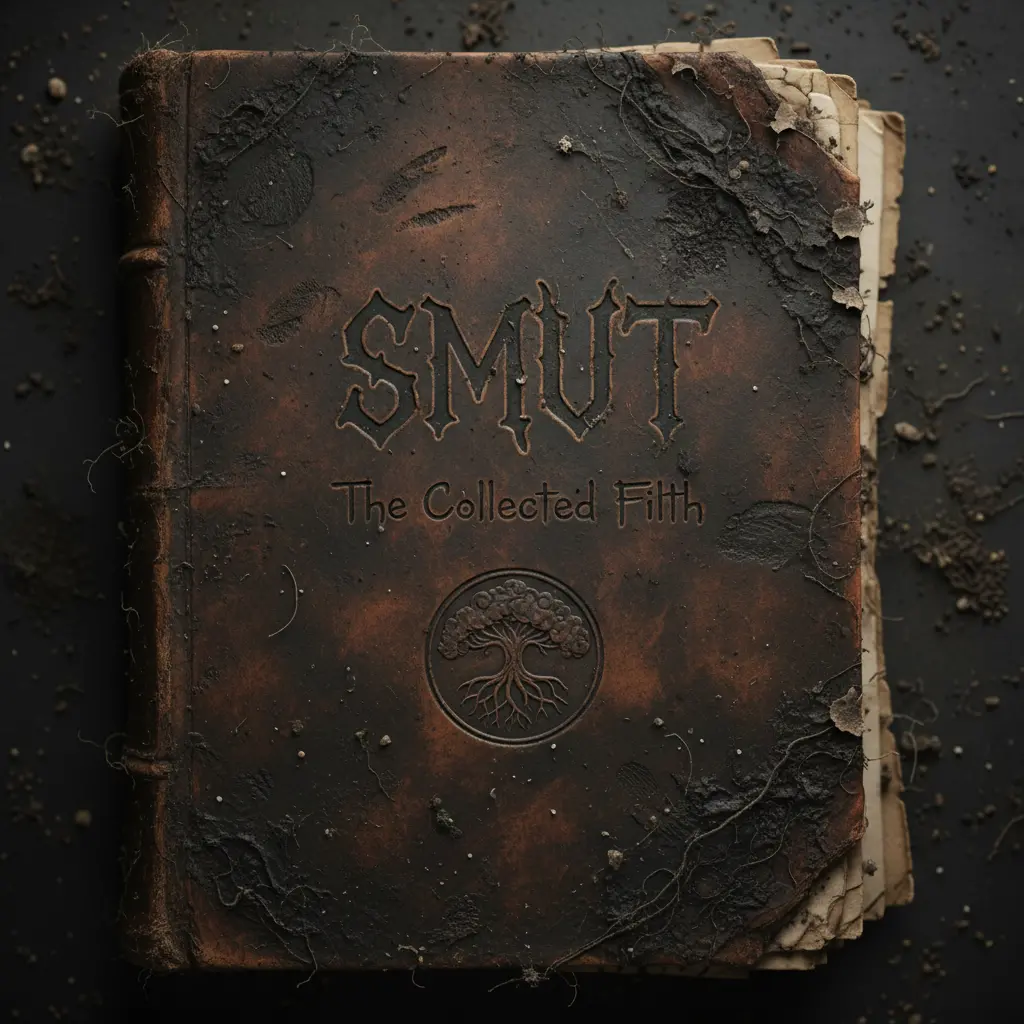
Example sentences are the start of understanding. Don't rush to memorize. First feel how the word works in a sentence.
Root decomposes to 'smut' (root). Originates from Old English 'smyt' meaning 'soot' or 'dirt', which links to the idea of filth. Imagine a grimy book cover smudged with dirt, representing its obscene contents.
Note 1: These definitions and etymologies are not standard dictionary definitions, but extended explanations provided to help with memorization and understanding of the actual application of words. Through this background information, we strive to make words more vivid and easier to understand, and help you remember their meanings in real life.
Note 2: LexiTalk designs the learning flow around the linguistics principle of “Comprehensible Input.” When learners encounter material that is slightly above their level but still understandable from context, the brain naturally absorbs the language. That’s why we keep every word inside authentic contexts, using examples and associations to help you understand it and use it flexibly.
Read the FAQ explanation of Comprehensible InputSmut is a word with three main senses in English. In farming, it refers to a fungal disease that attacks grain crops, causing black or powdery masses on kernels and reducing yields. In everyday language, it also means dirty or obscene material, especially writing or images that are sexually explicit. A third sense groups pornographic materials under the term smut, commonly used in media discussions or ratings. For learners, the plant-disease usage is rare outside agricultural texts, while the obscene meaning is common in casual speech and online discourse. By using context clues—technical farming terms, crop descriptions, or references to mature content—you can identify the intended sense and avoid mixing senses.
English tends to separate plant-disease terms from sexual content, but the word smut can be tricky for learners because farming and erotica both use the same word in different registers.
What does the word 'smut' mean?
Which sentence correctly uses the word 'smut'?
Which word is most similar to 'smut'?
What is an opposite word for 'smut'?
Can you think of a real-life context where the term 'smut' might apply?
Download LexiTalk app for personalized learning experience
Download AppCookies
We use cookies for essential site functions, analytics, and ads. You can accept, reject, or manage preferences. Privacy Policy