soap - Master This Word
Master this word with our 5-step learning method – Learn English in English
Train English Through Brain Routes, Not Translation.
This page helps you stop memorizing isolated translations and start understanding a word through its shared mental image, native-style thinking, and practical training steps.
Master this word with our 5-step learning method – Learn English in English
Example sentences are the start of understanding. Don't rush to memorize. First feel how the word works in a sentence.
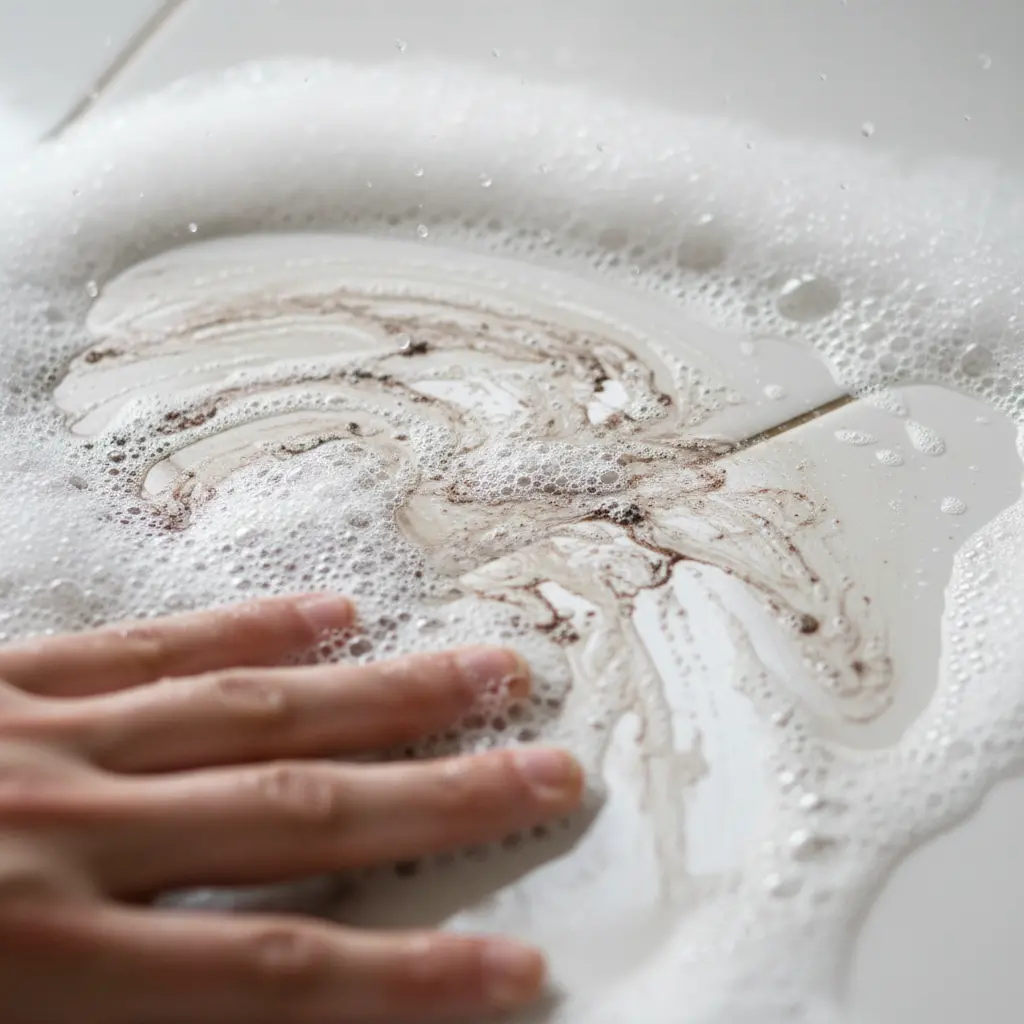
Soap: from 'sōpō' (Latin) - 'sapo', meaning 'to wash'. Imagine a bubbly surface as you scrub away dirt, encapsulating the action of washing to reveal clean surfaces.
Note 1: These definitions and etymologies are not standard dictionary definitions, but extended explanations provided to help with memorization and understanding of the actual application of words. Through this background information, we strive to make words more vivid and easier to understand, and help you remember their meanings in real life.
Note 2: LexiTalk designs the learning flow around the linguistics principle of “Comprehensible Input.” When learners encounter material that is slightly above their level but still understandable from context, the brain naturally absorbs the language. That’s why we keep every word inside authentic contexts, using examples and associations to help you understand it and use it flexibly.
Read the FAQ explanation of Comprehensible InputI reach for the soap and hold the bar in my palm, then I turn the faucet and feel the water wake up. I push the bar against my skin and rub, moving my hands in circles, adjusting the rhythm with each pass. The lather grows, and the effort shifts from grime to shine as I keep the pressure steady and let the bubbles do the work. Later I dry my hands and a small drama of memory drifts in—a soap opera on TV where characters pull and push through a bright, messy day.
Soap is a simple, everyday substance that cleans and refreshes. It can be a bar or a liquid and is used with water to remove dirt, grease, and odors from skin, hands, dishes, or clothing. In everyday English, soap also appears in the sense of a 'soap opera'—a dramatic TV show about romantic or family conflicts that unfolds over many episodes. Although all of these senses share a general idea of cleansing or exposure, learners often mix them up, especially when the phrase 'soap opera' is mentioned. The word remains versatile and familiar, making it a good starting point for discussing cleanliness and media vocabulary.
English learners typically separate soap from the idea of a TV show; soaps as a plural (soaps) often refers to multiple soap operas, not cleaning products.
What is the meaning of the word 'soap'?
In which sentence is the word 'soap' used correctly?
Which word is an antonym of 'soap'?
In what real-life context would you use 'soap'?
Reflect on the importance of 'soap' in maintaining personal hygiene.
Download LexiTalk app for personalized learning experience
Download AppCookies
We use cookies for essential site functions, analytics, and ads. You can accept, reject, or manage preferences. Privacy Policy