suppose - Master This Word
Master this word with our 5-step learning method – Learn English in English
Train English Through Brain Routes, Not Translation.
This page helps you stop memorizing isolated translations and start understanding a word through its shared mental image, native-style thinking, and practical training steps.
Master this word with our 5-step learning method – Learn English in English
Example sentences are the start of understanding. Don't rush to memorize. First feel how the word works in a sentence.
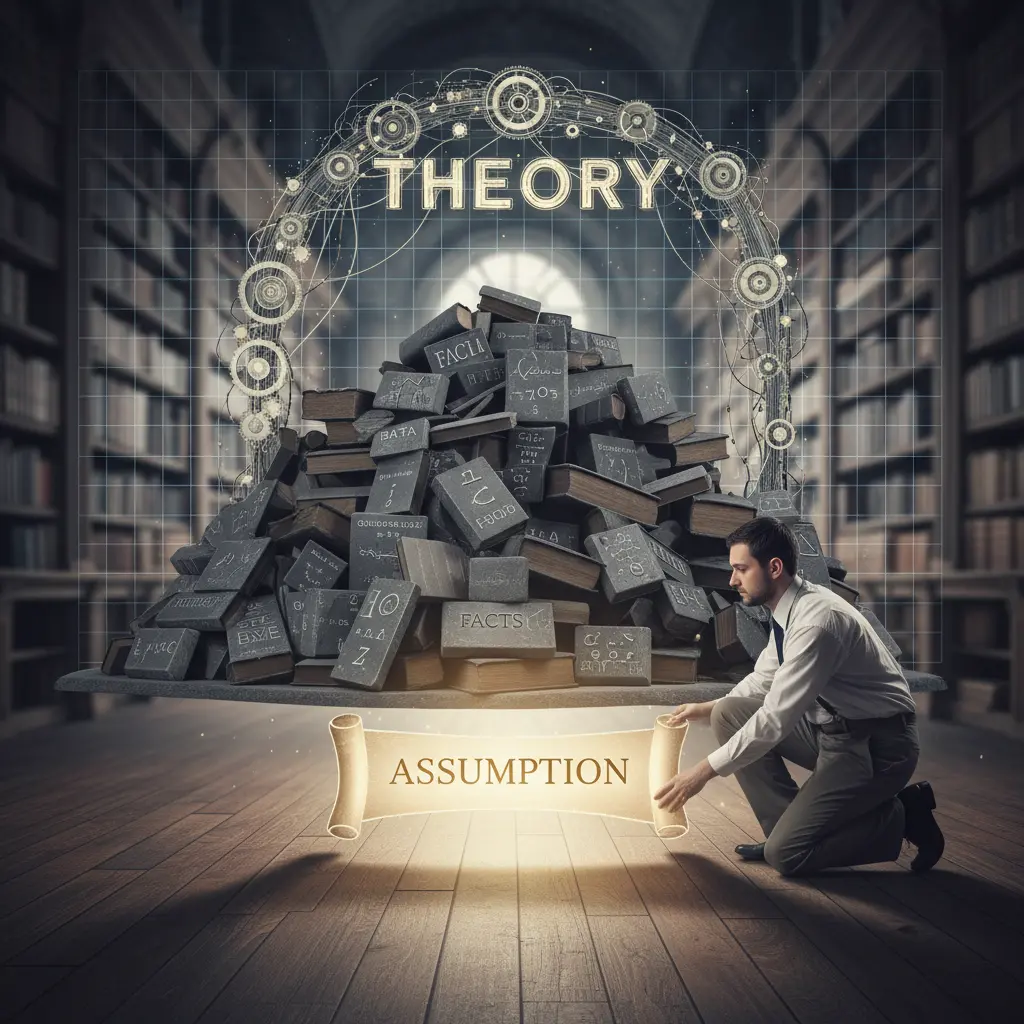
suppose = sub- (under) + ponere (to place) from Latin, → Old French -> English. Imagine a person placing an assumption 'under' a pile of facts to see if it holds up.
Note 1: These definitions and etymologies are not standard dictionary definitions, but extended explanations provided to help with memorization and understanding of the actual application of words. Through this background information, we strive to make words more vivid and easier to understand, and help you remember their meanings in real life.
Note 2: LexiTalk designs the learning flow around the linguistics principle of “Comprehensible Input.” When learners encounter material that is slightly above their level but still understandable from context, the brain naturally absorbs the language. That’s why we keep every word inside authentic contexts, using examples and associations to help you understand it and use it flexibly.
Read the FAQ explanation of Comprehensible InputI set my coffee cup down and tilt my head, trying on a thought. I move my attention to the idea, push away doubt, and feel how the room narrows to what could be true. As I test it, I change my stance a little, adjust my sense of duty or expectation, and keep the line of reasoning loose. If no alarm sounds, I suppose it could be the right thing to do for now, letting the choice sit in place as a tentative truth.
Suppose is a versatile verb used to present a hypothetical situation, to treat something as true for the sake of discussion, and to express a tentative expectation. In formal writing you often say suppose that to introduce a scenario. In conversation you might say I suppose to express a tentative belief or stance. It is different from assume, which treats something as given, while suppose invites doubt or examination. It also appears in the phrase be supposed to, which expresses obligation or expectation. Native speakers usually attach to the correct be supposed to forms rather than using suppose alone.
For English speakers, suppose often invites doubt or exploration of a scenario. It can hedge a statement and contrasts with be supposed to which marks external expectations. Learners sometimes treat suppose as a direct synonym of think or believe, or misuse it to express obligation.
Which sentence below uses 'suppose' correctly?
Which word is most similar to 'suppose'?
What is the opposite of 'suppose'?
Can you give an example of a real-life scenario of 'suppose'?
Download LexiTalk app for personalized learning experience
Download AppCookies
We use cookies for essential site functions, analytics, and ads. You can accept, reject, or manage preferences. Privacy Policy