tatter - Master This Word
Master this word with our 5-step learning method – Learn English in English
Train English Through Brain Routes, Not Translation.
This page helps you stop memorizing isolated translations and start understanding a word through its shared mental image, native-style thinking, and practical training steps.
Master this word with our 5-step learning method – Learn English in English
Example sentences are the start of understanding. Don't rush to memorize. First feel how the word works in a sentence.
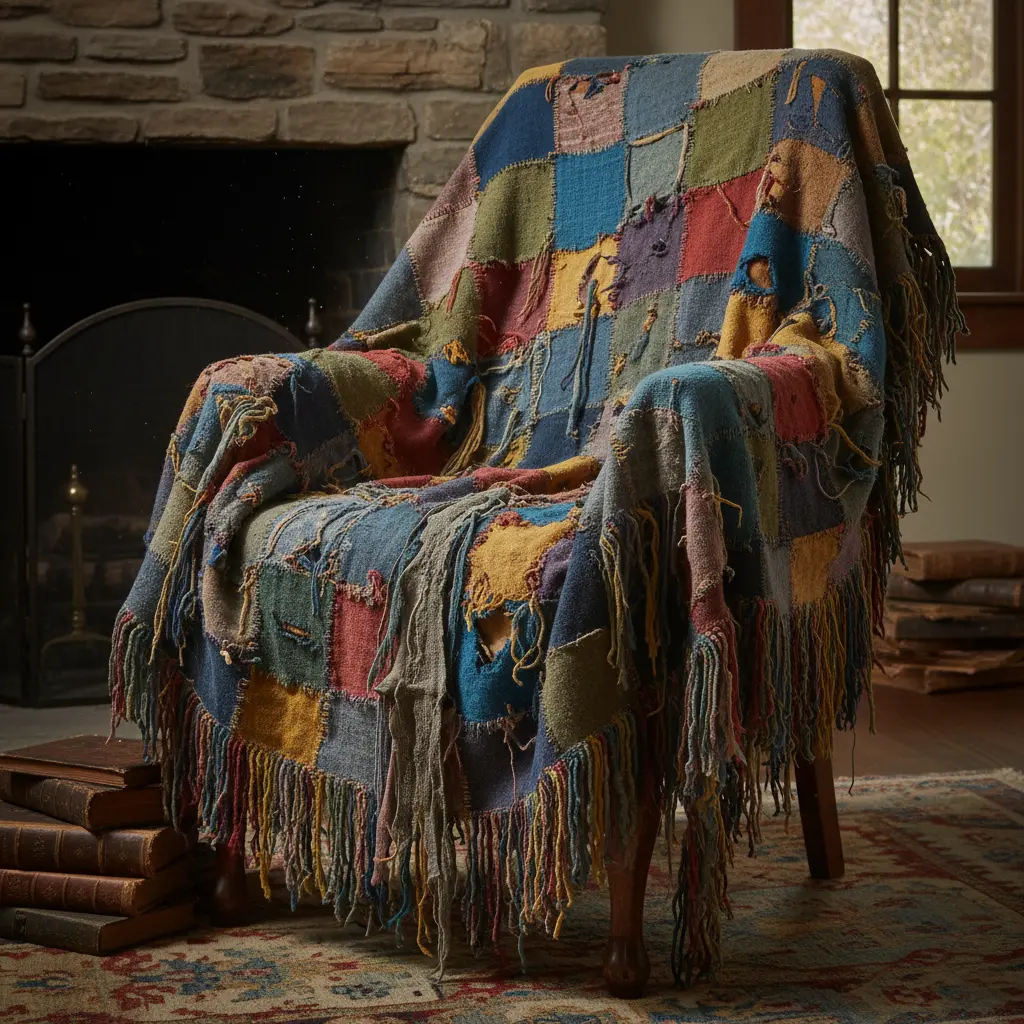
tatter = tatter (n.) + -ed (adj. suffix), from Middle English, possibly from the Old Norse 'tǫttr' meaning a shred. Memory image: Imagine a beloved old blanket, with many colorful pieces torn and hanging off, telling a story of warmth and wear over time.
Note 1: These definitions and etymologies are not standard dictionary definitions, but extended explanations provided to help with memorization and understanding of the actual application of words. Through this background information, we strive to make words more vivid and easier to understand, and help you remember their meanings in real life.
Note 2: LexiTalk designs the learning flow around the linguistics principle of “Comprehensible Input.” When learners encounter material that is slightly above their level but still understandable from context, the brain naturally absorbs the language. That’s why we keep every word inside authentic contexts, using examples and associations to help you understand it and use it flexibly.
Read the FAQ explanation of Comprehensible Inputtattered describes objects that are worn, ragged, or damaged by use or time, with visible rips and frayed edges. In English, the common form is 'tattered' rather than a stand-alone 'tatter' as an adjective, and it is most natural with nouns like 'tattered coat', 'tattered flag', or 'tattered sleeves'. The word conveys a vivid, tactile sense of fabric that has endured hardship and long use, often implying resilience as well as decay. It tends to appear in descriptive writing or literature; in everyday speech many speakers simply say 'old and worn' or 'ragged'. Remember the etymology linking to Old Norse tǫttr and the memory image of a beloved blanket made of many torn, colorful pieces.
English speakers typically use tattered for vivid, descriptive effect; tatter is mostly a noun or archaic verb. Learners often mix up with tatty or ragged and may overuse it with people.
What does 'tatter' mean?
Which of the following sentences uses 'tatter' correctly?
Which word is most similar to 'tatter'?
What is the opposite of 'tatter'?
Can you think of a real-life scenario involving something in tatters?
Parenting & Education
Listen NowDownload LexiTalk app for personalized learning experience
Download AppCookies
We use cookies for essential site functions, analytics, and ads. You can accept, reject, or manage preferences. Privacy Policy