texture - Master This Word
Master this word with our 5-step learning method – Learn English in English
Train English Through Brain Routes, Not Translation.
This page helps you stop memorizing isolated translations and start understanding a word through its shared mental image, native-style thinking, and practical training steps.
Master this word with our 5-step learning method – Learn English in English

Example sentences are the start of understanding. Don't rush to memorize. First feel how the word works in a sentence.
The word 'texture' comes from the Latin 'textura' meaning 'a weaving'. 'Textura' is derived from 'texere' which means 'to weave'. Picture a beautiful fabric being woven together, where each thread contributes to the overall texture.
Note 1: These definitions and etymologies are not standard dictionary definitions, but extended explanations provided to help with memorization and understanding of the actual application of words. Through this background information, we strive to make words more vivid and easier to understand, and help you remember their meanings in real life.
Note 2: LexiTalk designs the learning flow around the linguistics principle of “Comprehensible Input.” When learners encounter material that is slightly above their level but still understandable from context, the brain naturally absorbs the language. That’s why we keep every word inside authentic contexts, using examples and associations to help you understand it and use it flexibly.
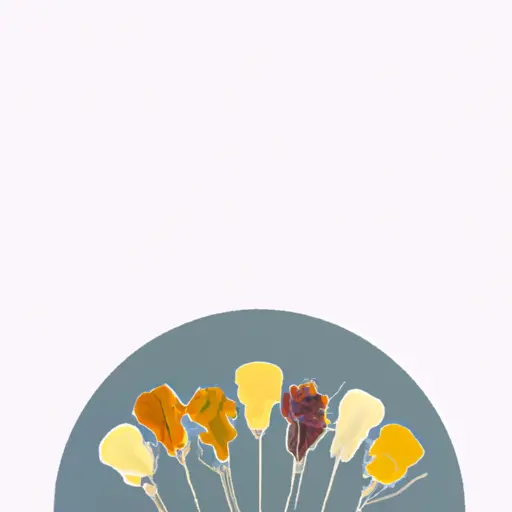
Read the FAQ explanation of Comprehensible InputSlide your fingertips across a fabric, letting your hand move and settle along its surface. You press, pull, and adjust the grip to test how rough or smooth it feels, watching the texture shift under your touch. The sensation stays with you as you set it into your memory, shaping how you imagine its look in a photo or on a garment. In everyday work and art, texture becomes what you can see and feel at once, guiding choices without words.
Texture is a noun with several related meanings. It usually refers to the feel, appearance, or surface quality of something, such as the rough texture of sandpaper or the smooth texture of silk. It can also describe the way elements are arranged in a work of art, as in the texture of a painting created by repeating shapes or colors. Finally, texture can mean the overall character or quality that is visible or experienced, such as the rich texture of a novel’s prose or the texture of a city's social life. In technology, texture is used in computing to map images onto 3D surfaces.
English often treats texture as both a physical surface quality and a metaphor for an overall vibe. Learners tend to overemphasize tactile sense and miss abstract uses in art, literature, or computing.
What does the word 'texture' mean?
In which sentence is the word 'texture' used correctly?
Which of the following is a synonym for 'texture'?
What is the opposite of 'smooth texture'?
How would you describe the texture of a ripe peach?
Download LexiTalk app for personalized learning experience
Download AppCookies
We use cookies for essential site functions, analytics, and ads. You can accept, reject, or manage preferences. Privacy Policy