tomatoes - Master This Word
Master this word with our 5-step learning method – Learn English in English
Train English Through Brain Routes, Not Translation.
This page helps you stop memorizing isolated translations and start understanding a word through its shared mental image, native-style thinking, and practical training steps.
Master this word with our 5-step learning method – Learn English in English
Example sentences are the start of understanding. Don't rush to memorize. First feel how the word works in a sentence.
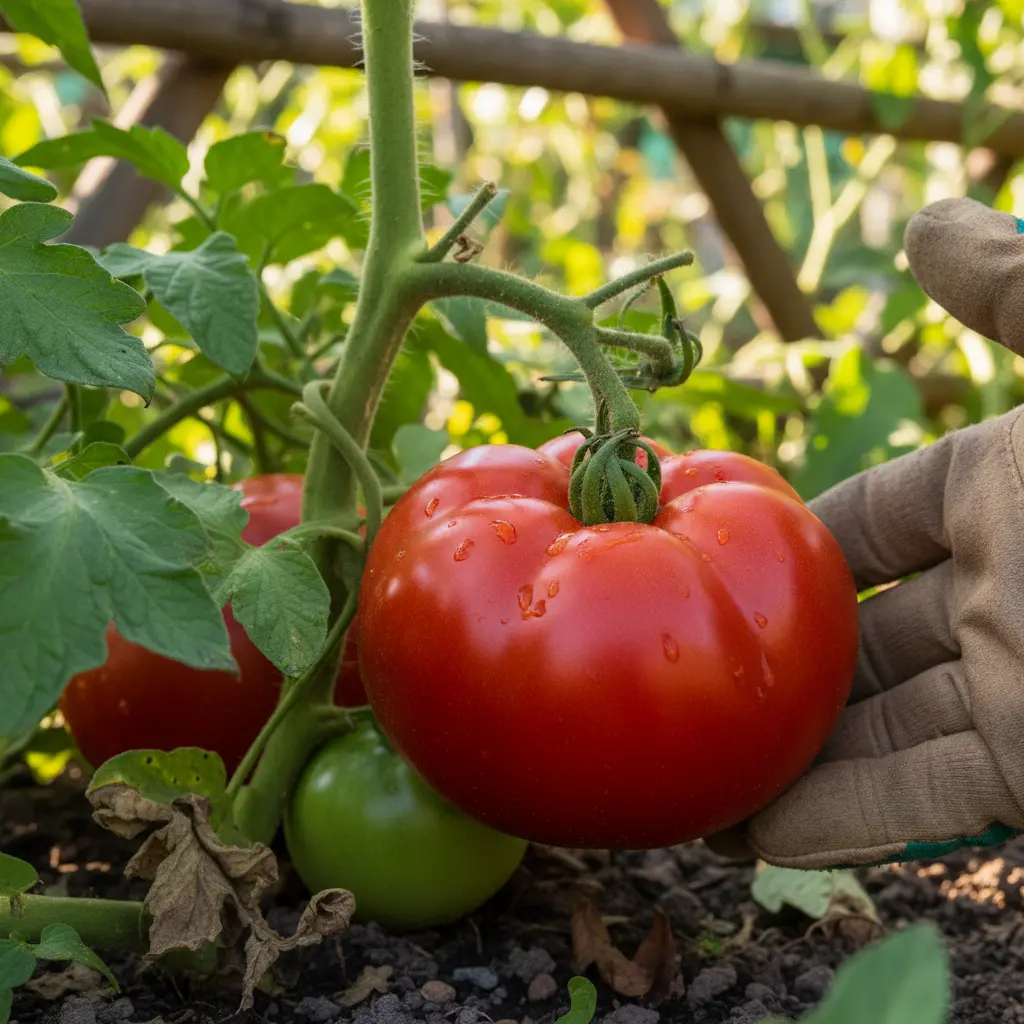
Root: tomatl = 'the swelling fruit'. Historical origin: Nahuatl → Spanish → English. Memory image: Picture a juicy red fruit growing on a vine in a garden, ripe and ready to be picked.
Note 1: These definitions and etymologies are not standard dictionary definitions, but extended explanations provided to help with memorization and understanding of the actual application of words. Through this background information, we strive to make words more vivid and easier to understand, and help you remember their meanings in real life.
Note 2: LexiTalk designs the learning flow around the linguistics principle of “Comprehensible Input.” When learners encounter material that is slightly above their level but still understandable from context, the brain naturally absorbs the language. That’s why we keep every word inside authentic contexts, using examples and associations to help you understand it and use it flexibly.
Read the FAQ explanation of Comprehensible InputI pick up a tomato and move it in my hand, turning it slowly to check the skin. I adjust my grip and set it on the cutting board, feeling the weight shift as I press. The bright red color and the promise of juice make me imagine salads and sauce as I think about how I will use it.
Tomato is a versatile fruit that plays a starring role in cuisines around the world. Botanically a fruit, it is commonly treated as a vegetable in everyday cooking, appearing in salads, sauces, soups, and sandwiches. The word traces back to Nahuatl tomatl, then to Spanish tomate, and finally into English via early borrowings, a reminder that language travels with taste. When describing a tomato, you can mention its color (red, yellow), size (cherry, plum, beefsteak), and ripeness (ripe, unripe, overripe). A memory image helps: a sunlit garden vine heavy with glossy fruit, ready to pick and savor in any dish.
Tomato is treated as both a fruit and a vegetable, so learners must separate botanical categories from culinary usage; avoid assuming all recipes imply the same classification.
What is the meaning of the word 'tomatoes'?
Choose the correctly used sentence with the word 'tomatoes'.
Which word is most similar to 'tomatoes'?
What is the opposite of 'tomatoes'?
Can you think of a real-life context involving the word 'tomatoes'?
Download LexiTalk app for personalized learning experience
Download AppCookies
We use cookies for essential site functions, analytics, and ads. You can accept, reject, or manage preferences. Privacy Policy