pasta - Master This Word
Master this word with our 5-step learning method – Learn English in English
Train English Through Brain Routes, Not Translation.
This page helps you stop memorizing isolated translations and start understanding a word through its shared mental image, native-style thinking, and practical training steps.
Master this word with our 5-step learning method – Learn English in English
Example sentences are the start of understanding. Don't rush to memorize. First feel how the word works in a sentence.
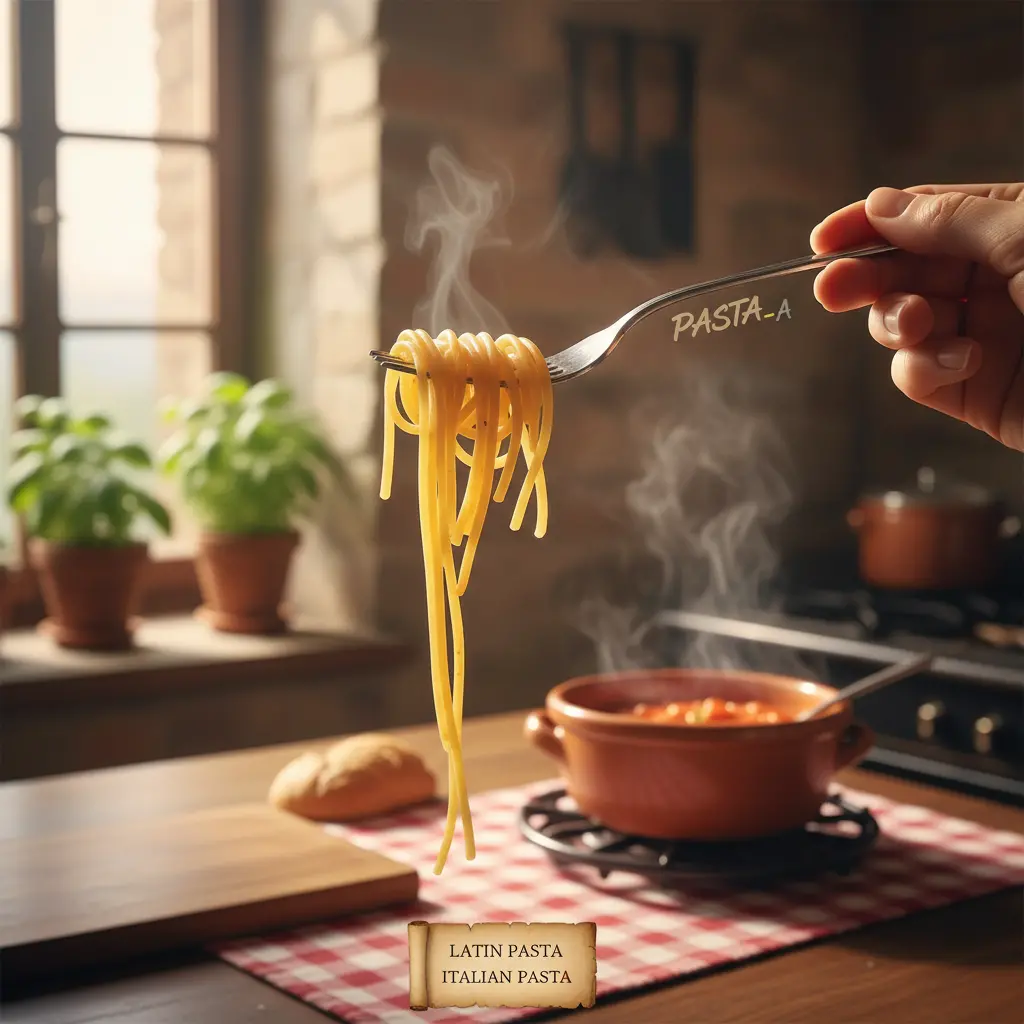
Root decomposition: base is paste or dough, with the feminine noun ending -a. Historical origin: from Latin pasta meaning dough or paste, borrowed into Italian and then into English via Italian; related Old French pâte is a cognate. Memory image: imagine a golden strand of spaghetti curling around a fork in a warm Italian kitchen.
Note 1: These definitions and etymologies are not standard dictionary definitions, but extended explanations provided to help with memorization and understanding of the actual application of words. Through this background information, we strive to make words more vivid and easier to understand, and help you remember their meanings in real life.
Note 2: LexiTalk designs the learning flow around the linguistics principle of “Comprehensible Input.” When learners encounter material that is slightly above their level but still understandable from context, the brain naturally absorbs the language. That’s why we keep every word inside authentic contexts, using examples and associations to help you understand it and use it flexibly.
Read the FAQ explanation of Comprehensible Inputpasta is the staple Italian food made from flour and water, sometimes with eggs, formed into many shapes and dried or sold fresh. In English, pasta generally refers to the whole category of these noodles, not a single piece. A dish prepared from pasta is typically served with sauce, cheese, olive oil, or other toppings. Different shapes are used for different sauces; long strands like spaghetti pair with lighter sauces, while chunky shapes such as penne or rigatoni hold heavier sauces. The word pasta can also mean the dough or paste used to make the noodles in Italian, borrowed into English through Italian. The concept blends cooking technique, regional Italian traditions, and global dining culture.
Pasta is treated as a mass noun in English, so you usually don't say 'a pasta'. You also say 'types of pasta' for different shapes and 'pasta dish' for a prepared meal. Learners often translate from their language and say things like 'the pastas' or 'a pasta', which sound odd to native speakers.
What is the meaning of the word 'pasta'?
Which sentence uses the word 'pasta' correctly?
Choose the synonym for 'pasta':
What is the opposite of 'pasta'?
In what real-life context would you find 'pasta'?
Download LexiTalk app for personalized learning experience
Download AppCookies
We use cookies for essential site functions, analytics, and ads. You can accept, reject, or manage preferences. Privacy Policy