
tundra - Master This Word
Master this word with our 5-step learning method – Learn English in English
Train English Through Brain Routes, Not Translation.
This page helps you stop memorizing isolated translations and start understanding a word through its shared mental image, native-style thinking, and practical training steps.
Master this word with our 5-step learning method – Learn English in English
Example sentences are the start of understanding. Don't rush to memorize. First feel how the word works in a sentence.
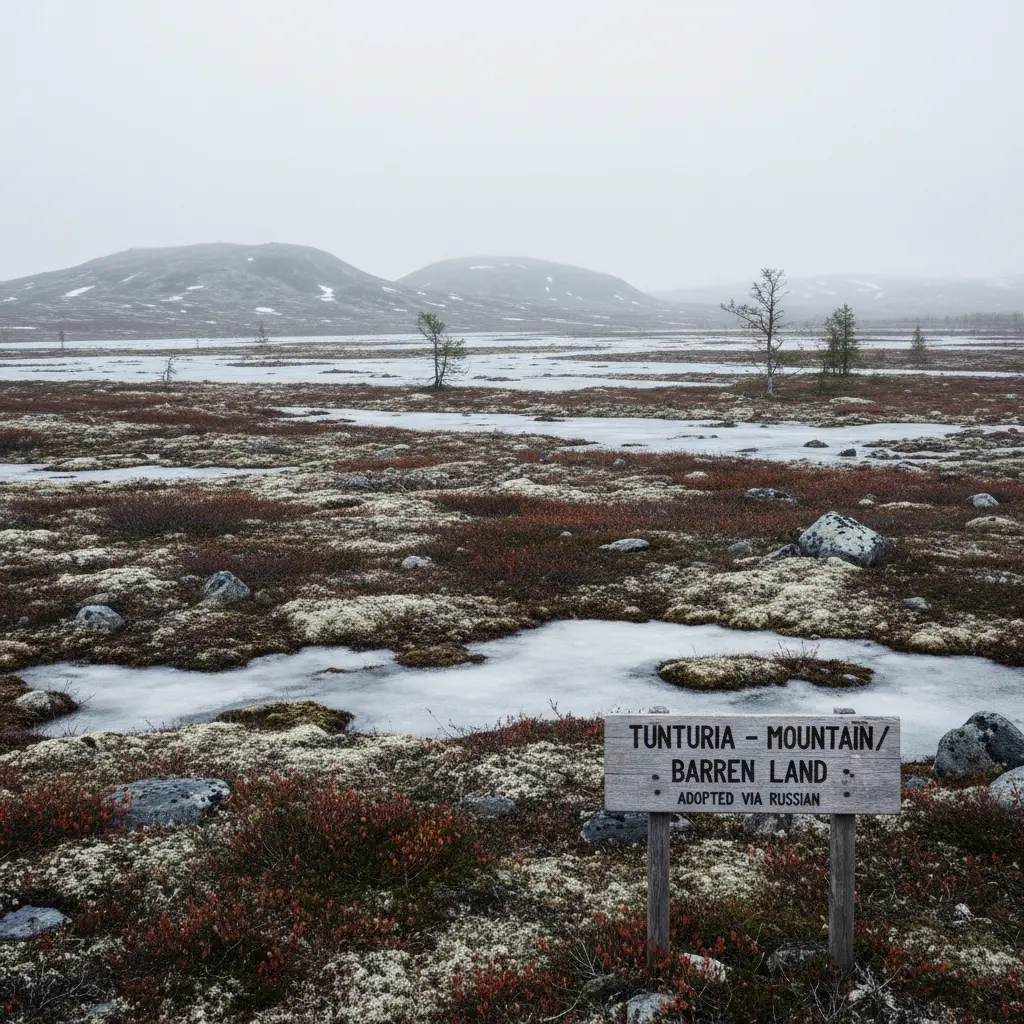
The word 'tundra' comes from the Finnish 'tunturia', meaning 'mountain' or 'barren land'. It was adopted into English via Russian. Picture a vast, bleak landscape where the ground is frozen solid for most of the year, dotted with low shrubs and mosses.
Note 1: These definitions and etymologies are not standard dictionary definitions, but extended explanations provided to help with memorization and understanding of the actual application of words. Through this background information, we strive to make words more vivid and easier to understand, and help you remember their meanings in real life.
Note 2: LexiTalk designs the learning flow around the linguistics principle of “Comprehensible Input.” When learners encounter material that is slightly above their level but still understandable from context, the brain naturally absorbs the language. That’s why we keep every word inside authentic contexts, using examples and associations to help you understand it and use it flexibly.
Read the FAQ explanation of Comprehensible InputTundra is a flat, treeless biome found in Arctic regions and at high latitudes. It features a short growing season, long winters, and a layer of permanently frozen ground called permafrost beneath the surface. Plant life is sparse and includes lichens, mosses, grasses, and dwarf shrubs that tolerate cold winds and nutrient-poor soils. Because the soil remains frozen most of the year, drainage can be poor and puddles form during brief thaw periods. The landscape feels vast, empty, and stark, with skies that shift dramatically from polar night to midnight sun. In everyday English, tundra often suggests extremity, remoteness, or harsh environmental conditions rather than a precise ecological label.
English tends to treat tundra as a concrete landscape feature linked to climate and geography; learners often assume it implies only cold weather or a barren zone, missing its ecological and seasonal nuances.
What is the meaning of 'tundra'?
In which sentence is 'tundra' used correctly?
Which of the following is a synonym for 'tundra'?
What is the opposite of 'tundra'?
In what real-life context would you expect to hear the word 'tundra'?
Download LexiTalk app for personalized learning experience
Download AppCookies
We use cookies for essential site functions, analytics, and ads. You can accept, reject, or manage preferences. Privacy Policy