
verisimilitude - Master This Word
Master this word with our 5-step learning method – Learn English in English
Train English Through Brain Routes, Not Translation.
This page helps you stop memorizing isolated translations and start understanding a word through its shared mental image, native-style thinking, and practical training steps.
Master this word with our 5-step learning method – Learn English in English
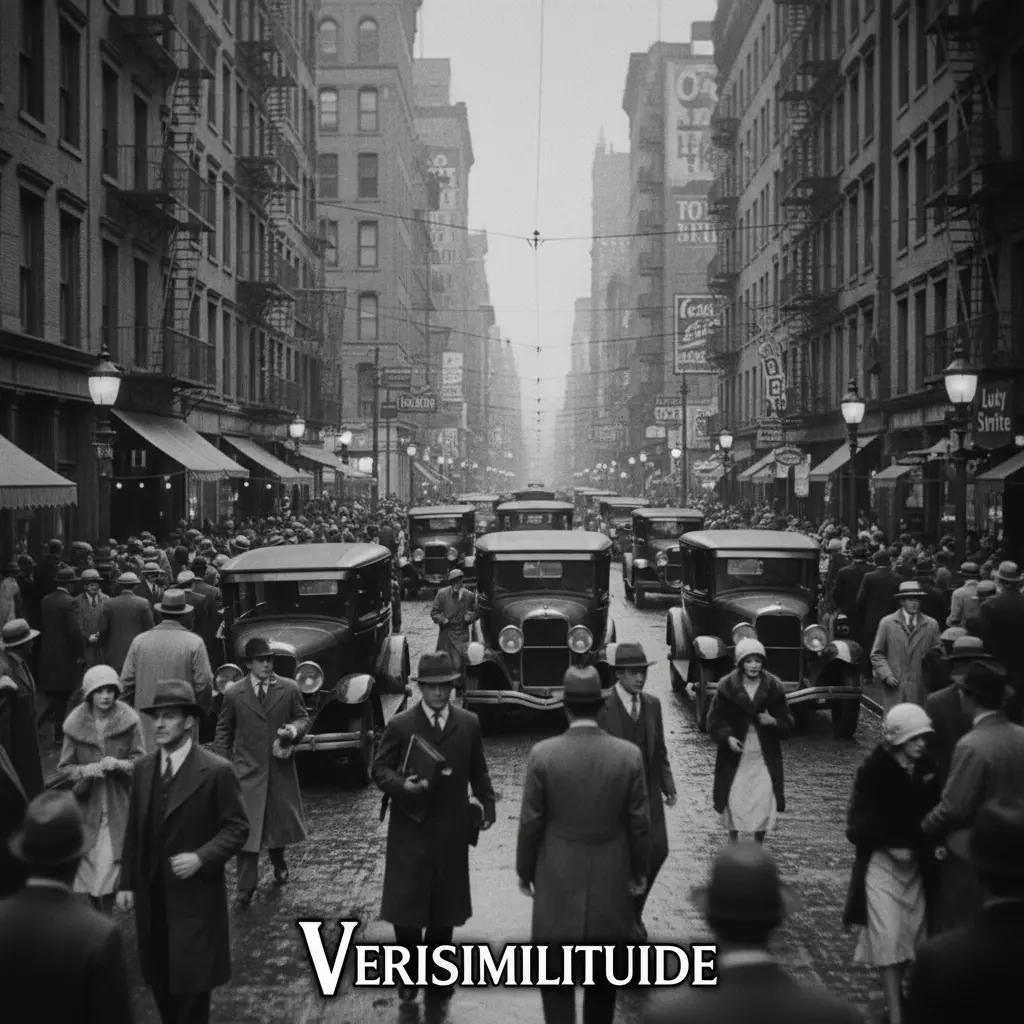
Example sentences are the start of understanding. Don't rush to memorize. First feel how the word works in a sentence.
veri- = truth, similis = like, -tude = state of; Latin → Old French → English. Imagine a film that looks so real, you start to believe it's true; that's verisimilitude.
Note 1: These definitions and etymologies are not standard dictionary definitions, but extended explanations provided to help with memorization and understanding of the actual application of words. Through this background information, we strive to make words more vivid and easier to understand, and help you remember their meanings in real life.
Note 2: LexiTalk designs the learning flow around the linguistics principle of “Comprehensible Input.” When learners encounter material that is slightly above their level but still understandable from context, the brain naturally absorbs the language. That’s why we keep every word inside authentic contexts, using examples and associations to help you understand it and use it flexibly.
Read the FAQ explanation of Comprehensible InputVerisimilitude is a term often used in art, cinema, and literature to describe how convincingly a depiction mirrors real life. It goes beyond mere accuracy of detail, aiming for a holistic sense that a world could exist, even if it's fictional. Writers and designers manipulate lighting, sound design, dialogue, setting, and pacing to create verisimilitude so audiences suspend disbelief and engage with the story as if it could happen. In critical writing, the measure of verisimilitude is not truth itself but plausibility and consistency: the internal logic that makes the imagined world feel authentic, even when we recognize its fiction.
Verisimilitude is often thought of as the appearance of truth in fiction; learners may assume it means factual truth. In English, we use it mainly in criticism or theory, so everyday speakers prefer 'plausibility' or 'believability' for general talk.
In which sentence is 'verisimilitude' used correctly?
Which word is a synonym of 'verisimilitude'?
In which scenario can 'verisimilitude' be applied?
Reflecting on a movie's portrayal of real events can help you appreciate its verisimilitude, true or false?
Download LexiTalk app for personalized learning experience
Download AppCookies
We use cookies for essential site functions, analytics, and ads. You can accept, reject, or manage preferences. Privacy Policy