visa - Master This Word
Master this word with our 5-step learning method – Learn English in English
Train English Through Brain Routes, Not Translation.
This page helps you stop memorizing isolated translations and start understanding a word through its shared mental image, native-style thinking, and practical training steps.
Master this word with our 5-step learning method – Learn English in English
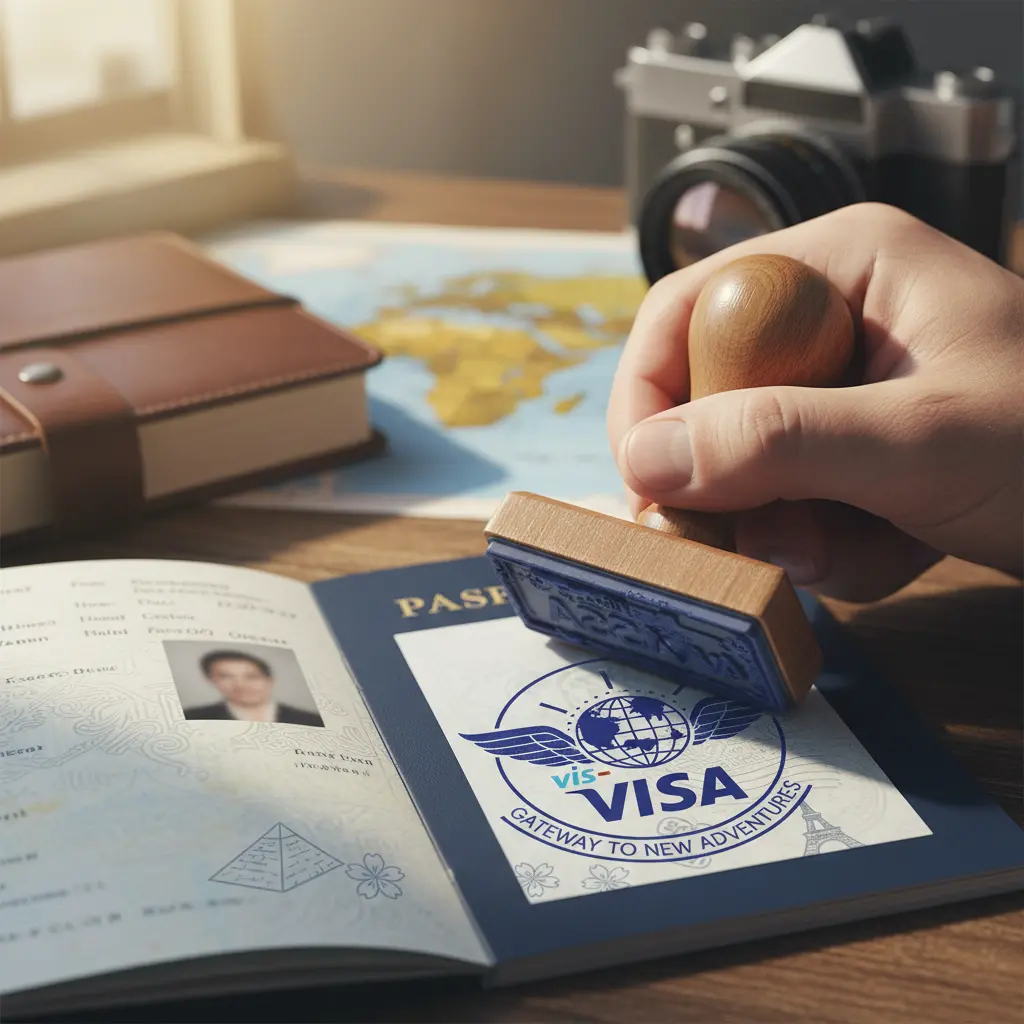
Example sentences are the start of understanding. Don't rush to memorize. First feel how the word works in a sentence.
vis- = to see, -a (noun form). Origin: Latin → Old French → English. Imagine a stamp being pressed onto a passport, allowing you to 'see' new places and adventures.
Note 1: These definitions and etymologies are not standard dictionary definitions, but extended explanations provided to help with memorization and understanding of the actual application of words. Through this background information, we strive to make words more vivid and easier to understand, and help you remember their meanings in real life.
Note 2: LexiTalk designs the learning flow around the linguistics principle of “Comprehensible Input.” When learners encounter material that is slightly above their level but still understandable from context, the brain naturally absorbs the language. That’s why we keep every word inside authentic contexts, using examples and associations to help you understand it and use it flexibly.
Read the FAQ explanation of Comprehensible InputI pick up my passport, flip it open, and move my finger to the visa page. I feel the light change as I hold the stamp, a tiny push of decision guiding where I can go. I adjust my plans in my head, turning the idea around and keeping travel close. When the visa shows on paper, the journey feels real, a simple permission waiting to be used.
Visa is an official document issued by a country’s government that allows a person to enter, stay, or transit. The word can refer to a stamp or page placed in a passport, or to a formal endorsement showing eligibility. In travel contexts, a visa is usually required for longer stays or for certain destinations, while some countries offer visa-free entry for short visits. In English, visa is a count noun: one visa, two visas, a visa application, or to obtain a visa. The term is distinct from a passport, a ticket, or a residence permit. Pronunciation commonly is /ˈviː. zə/; the plural form is visas. Etymology traces to vis- "to see" and the noun-form -a.
Learners often treat visa as a passport-like magic card; English stresses that a visa is a permission to enter, not a travel document itself. Plural visas, visa application, and visa waiver are common phrases; border decisions can still deny entry even with a valid visa.
What is the meaning of the word 'visa'?
Which of the following sentences uses 'visa' correctly?
What is a synonym for 'visa'?
What could be an opposite of 'visa'?
In what real-life context would you need a 'visa'?
Download LexiTalk app for personalized learning experience
Download AppCookies
We use cookies for essential site functions, analytics, and ads. You can accept, reject, or manage preferences. Privacy Policy