
wastage - Master This Word
Master this word with our 5-step learning method – Learn English in English
Train English Through Brain Routes, Not Translation.
This page helps you stop memorizing isolated translations and start understanding a word through its shared mental image, native-style thinking, and practical training steps.
Master this word with our 5-step learning method – Learn English in English
Example sentences are the start of understanding. Don't rush to memorize. First feel how the word works in a sentence.
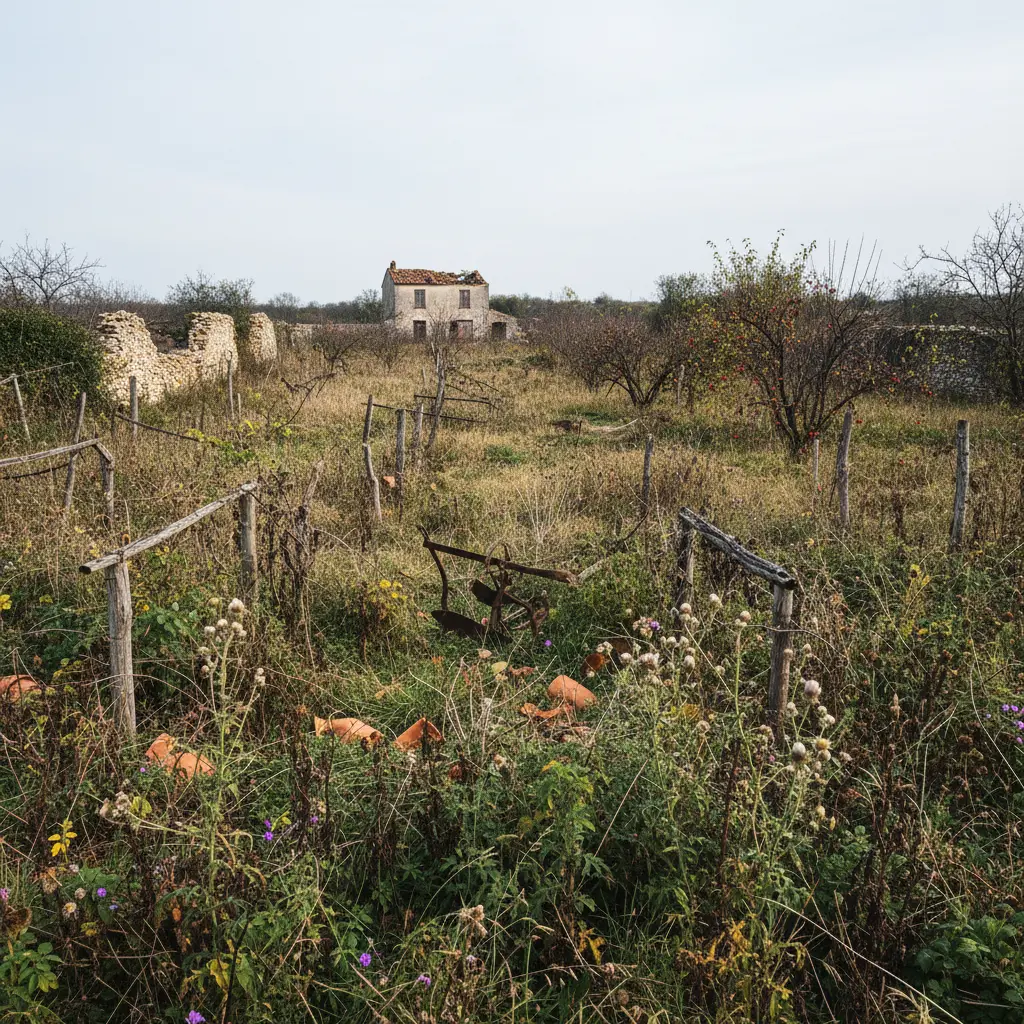
(a) waste (root) + -age (suffix). (b) Originated from Old French 'wastage', derived from Latin 'vastare' meaning 'to lay waste'. (c) Imagine a large field overgrown with weeds, a vibrant patch once fruitful, now ruined by neglect and waste – this image embodies the essence of 'wastage' as something valuable lost to mismanagement.
Note 1: These definitions and etymologies are not standard dictionary definitions, but extended explanations provided to help with memorization and understanding of the actual application of words. Through this background information, we strive to make words more vivid and easier to understand, and help you remember their meanings in real life.
Note 2: LexiTalk designs the learning flow around the linguistics principle of “Comprehensible Input.” When learners encounter material that is slightly above their level but still understandable from context, the brain naturally absorbs the language. That’s why we keep every word inside authentic contexts, using examples and associations to help you understand it and use it flexibly.
Read the FAQ explanation of Comprehensible InputWastage describes the act or process of wasting something, or the amount lost through inefficiency or neglect. It often refers to resources like time, money, or food that are squandered rather than used. In business, wastage can mean spoilage, damage, or unneeded excess that reduces overall efficiency and increases costs. In everyday life, heavy wastage points to poor planning or careless consumption, such as leaving lights on or throwing away edible food. The word carries a slightly formal tone compared with waste, and is common in British English, though widely understood in American English as well. Learners should distinguish wastage from waste in countable vs uncountable contexts.
Wastage is a formal noun in English that emphasizes total losses due to inefficiency. Learners often confuse it with waste because both refer to poor usage of resources, but wastage is more likely to appear in reports, policy language, or business contexts. Watch for collocations like wastage rate and phrases such as reduce wastage.
What is the meaning of 'wastage'?
Choose the correct usage of 'wastage':
Which word is most similar to 'wastage'?
What is the opposite of 'wastage'?
Can you describe a scenario that involves wastage?
Download LexiTalk app for personalized learning experience
Download AppCookies
We use cookies for essential site functions, analytics, and ads. You can accept, reject, or manage preferences. Privacy Policy