
wool - Master This Word
Master this word with our 5-step learning method – Learn English in English
Train English Through Brain Routes, Not Translation.
This page helps you stop memorizing isolated translations and start understanding a word through its shared mental image, native-style thinking, and practical training steps.
Master this word with our 5-step learning method – Learn English in English
Example sentences are the start of understanding. Don't rush to memorize. First feel how the word works in a sentence.
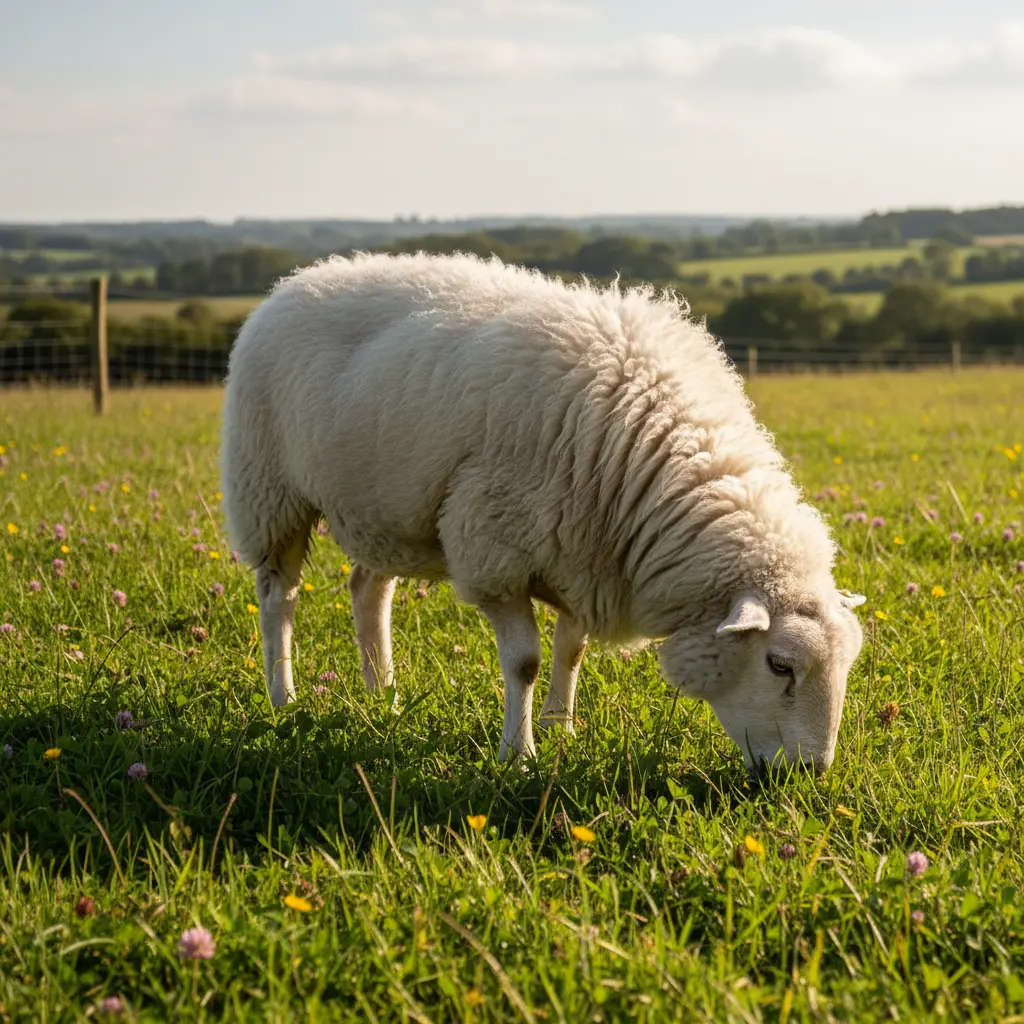
wool = wool; Old English wulf, related to Proto-Germanic *wullō, Proto-Indo-European *woll- meaning 'hair/ fur'. Remember a fluffy sheep grazing in a lush meadow to visualize wool's soft texture.
Note 1: These definitions and etymologies are not standard dictionary definitions, but extended explanations provided to help with memorization and understanding of the actual application of words. Through this background information, we strive to make words more vivid and easier to understand, and help you remember their meanings in real life.
Note 2: LexiTalk designs the learning flow around the linguistics principle of “Comprehensible Input.” When learners encounter material that is slightly above their level but still understandable from context, the brain naturally absorbs the language. That’s why we keep every word inside authentic contexts, using examples and associations to help you understand it and use it flexibly.
Read the FAQ explanation of Comprehensible InputI pick up a skein of wool and move it in my hands, feeling the rough fibers soften as they settle. I hold the yarn, then pull slowly, adjusting the tension as the fibers slide. I wrap it around my wrist and set the pace of my breath, watching the wool warm the skin. In that small loop I sense how the material can become a soft, warm thing you wear.
Wool is the soft, thick hair that covers sheep and some other animals, and it also refers to the fiber spun from this hair used to make clothing and blankets. Wool is prized for its warmth, breathability, and natural moisture management, which helps insulate while remaining comfortable in changing temperatures. Figuratively, wool can describe something soft, comforting, or luxurious. The word originates from Old English wull or wulf roots, linked to Proto-Germanic *wullō and Proto-Indo-European *woll-, meaning hair or fur. To picture its texture, imagine a fluffy sheep in a green meadow, its wool catching the sun.
In English, wool is often treated as a material and its properties (warmth, softness) are foregrounded; learners may worry about wool being itchy or heavy, which is less universal than imagined.
In which sentence is the word 'wool' used correctly?
Which word is a synonym of 'wool'?
What is the opposite of 'wool'?
How would you describe the feel of 'wool' in real-life?
Download LexiTalk app for personalized learning experience
Download AppCookies
We use cookies for essential site functions, analytics, and ads. You can accept, reject, or manage preferences. Privacy Policy