yeast - Master This Word
Master this word with our 5-step learning method – Learn English in English
Train English Through Brain Routes, Not Translation.
This page helps you stop memorizing isolated translations and start understanding a word through its shared mental image, native-style thinking, and practical training steps.
Master this word with our 5-step learning method – Learn English in English
Example sentences are the start of understanding. Don't rush to memorize. First feel how the word works in a sentence.
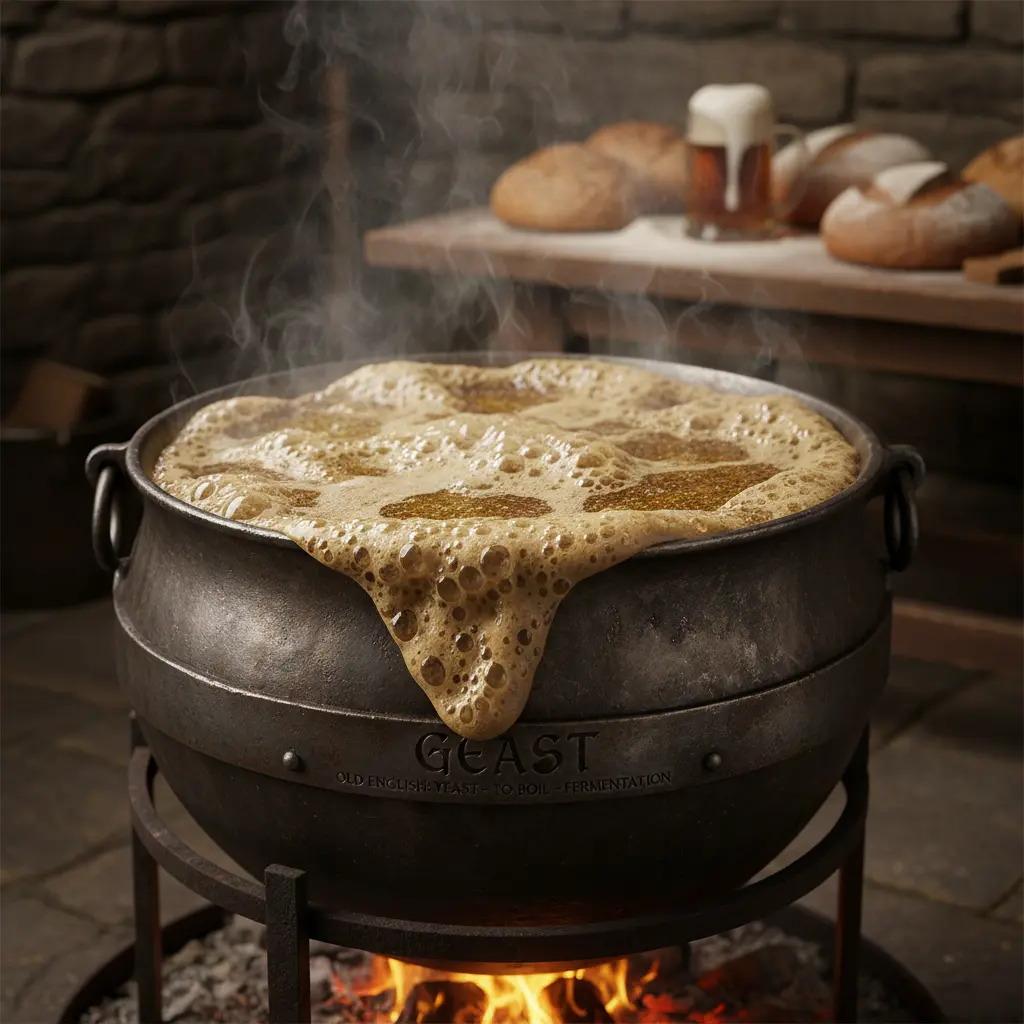
yeast: from Old English 'geast', related to German 'Gäst', meaning 'to boil', evoking the bubbling of fermentation. Imagine a bubbling cauldron of brew, rising with the scent of bread.
Note 1: These definitions and etymologies are not standard dictionary definitions, but extended explanations provided to help with memorization and understanding of the actual application of words. Through this background information, we strive to make words more vivid and easier to understand, and help you remember their meanings in real life.
Note 2: LexiTalk designs the learning flow around the linguistics principle of “Comprehensible Input.” When learners encounter material that is slightly above their level but still understandable from context, the brain naturally absorbs the language. That’s why we keep every word inside authentic contexts, using examples and associations to help you understand it and use it flexibly.
Read the FAQ explanation of Comprehensible InputYeast is a microscopic fungus that bakers and brewers rely on. In everyday English, people talk about yeast rising dough, or about a yeast culture used for fermentation. There are several common forms you’ll meet: active dry yeast, instant yeast, and fresh yeast. Yeast ferments sugars; the byproducts are carbon dioxide and alcohol, which lift bread and give beer its bubbles and aroma. Yeast can be activated in warm water with a little sugar, then added to flour. Some products use yeast extract for flavor, which is not the same as live yeast. The word yeast comes from Old English geast, and its sense of bubbling evokes the kitchen steam of early baking.
Explain to an English speaker (meta, keep short): Yeast is a living microorganism, so learners often confuse it with baking powder or other leavening agents. English uses specific phrases like 'activate yeast' and 'proofing' that may not map directly to learners’ L1; watch for collocations and unit conversions (teaspoons, tablespoons, milliliters) when following recipes.
What is the meaning of 'yeast'?
Which of the following sentences uses 'yeast' correctly?
What is a synonym for 'yeast'?
In what real-world situation would you encounter 'yeast'?
Can you think of a situation where 'yeast' would be used?
Download LexiTalk app for personalized learning experience
Download AppCookies
We use cookies for essential site functions, analytics, and ads. You can accept, reject, or manage preferences. Privacy Policy