allergic - Master This Word
Master this word with our 5-step learning method – Learn English in English
Train English Through Brain Routes, Not Translation.
This page helps you stop memorizing isolated translations and start understanding a word through its shared mental image, native-style thinking, and practical training steps.
Master this word with our 5-step learning method – Learn English in English
Example sentences are the start of understanding. Don't rush to memorize. First feel how the word works in a sentence.
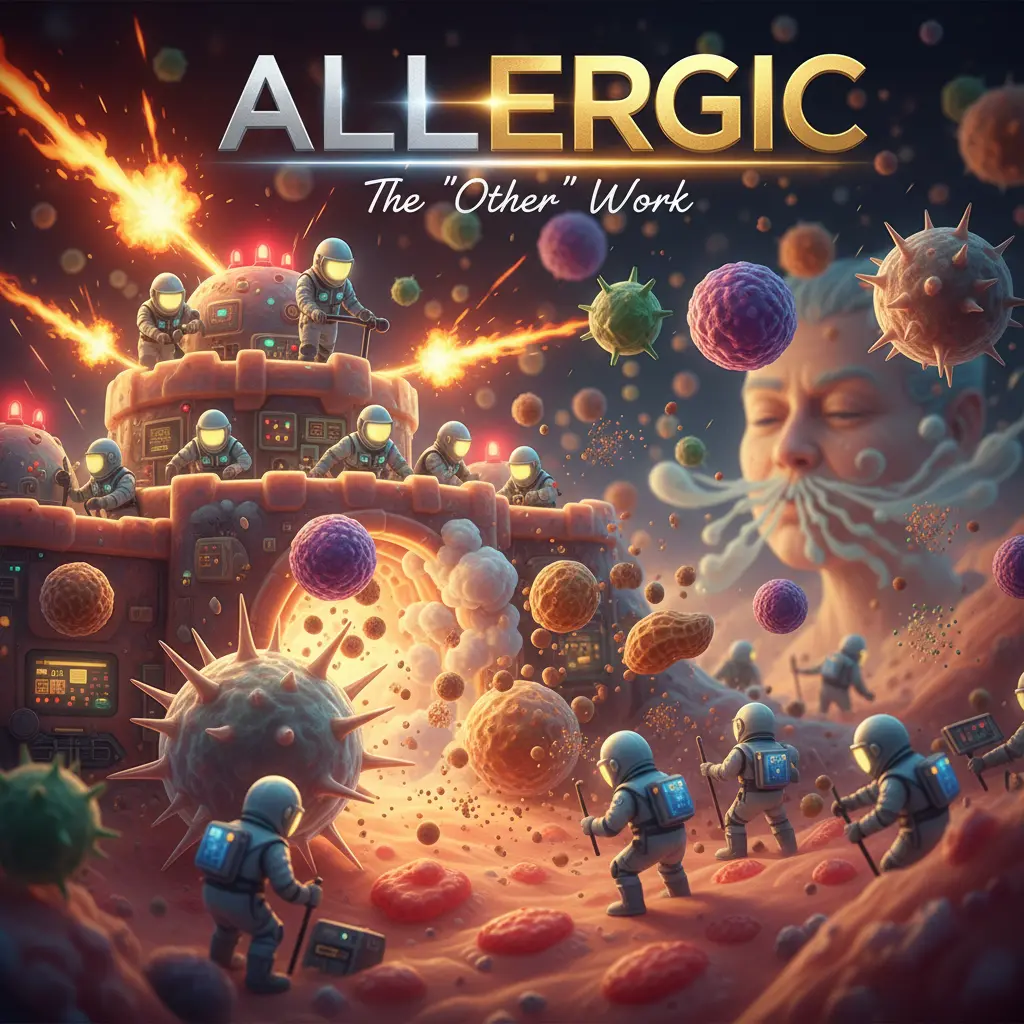
allergic consists of 'all-‘ meaning ‘other’ and ‘ergic’ derived from ‘ergon’ meaning ‘work’. The term emerged from Greek roots and was adopted into English in the early 20th century. Imagine an immune system working tirelessly against 'other' substances like pollen or nuts, setting off alarms in the body with rashes or sneezing.
Note 1: These definitions and etymologies are not standard dictionary definitions, but extended explanations provided to help with memorization and understanding of the actual application of words. Through this background information, we strive to make words more vivid and easier to understand, and help you remember their meanings in real life.
Note 2: LexiTalk designs the learning flow around the linguistics principle of “Comprehensible Input.” When learners encounter material that is slightly above their level but still understandable from context, the brain naturally absorbs the language. That’s why we keep every word inside authentic contexts, using examples and associations to help you understand it and use it flexibly.
Read the FAQ explanation of Comprehensible InputAllergic describes a person or reaction tied to the immune system overreacting to a substance that is usually harmless to most people. If you are allergic to pollen, dust, peanuts, or certain medicines, you may experience sneezing, itching, hives, or breathing difficulties when exposed. The word can describe both a temporary reaction and a general tendency, as in 'an allergic person' or 'an allergic reaction.' In everyday speech, speakers often pair it with 'to' plus the allergen. Remember that allergies vary by individual and can develop at any age.
English learners benefit from clear binary distinctions (allergic to X vs not allergic). The concept maps easily to phrases with to + allergen, yet learners often confuse allergy with general dislike; emphasize that allergic reactions involve the immune system and can vary by person.
Which sentence uses the word 'allergic' correctly?
What is a synonym for 'allergic'?
What is an antonym for 'allergic'?
In what real-life situation would being 'allergic' be a concern?
Download LexiTalk app for personalized learning experience
Download AppCookies
We use cookies for essential site functions, analytics, and ads. You can accept, reject, or manage preferences. Privacy Policy