angry - Master This Word
Master this word with our 5-step learning method – Learn English in English
Train English Through Brain Routes, Not Translation.
This page helps you stop memorizing isolated translations and start understanding a word through its shared mental image, native-style thinking, and practical training steps.
Master this word with our 5-step learning method – Learn English in English
Example sentences are the start of understanding. Don't rush to memorize. First feel how the word works in a sentence.
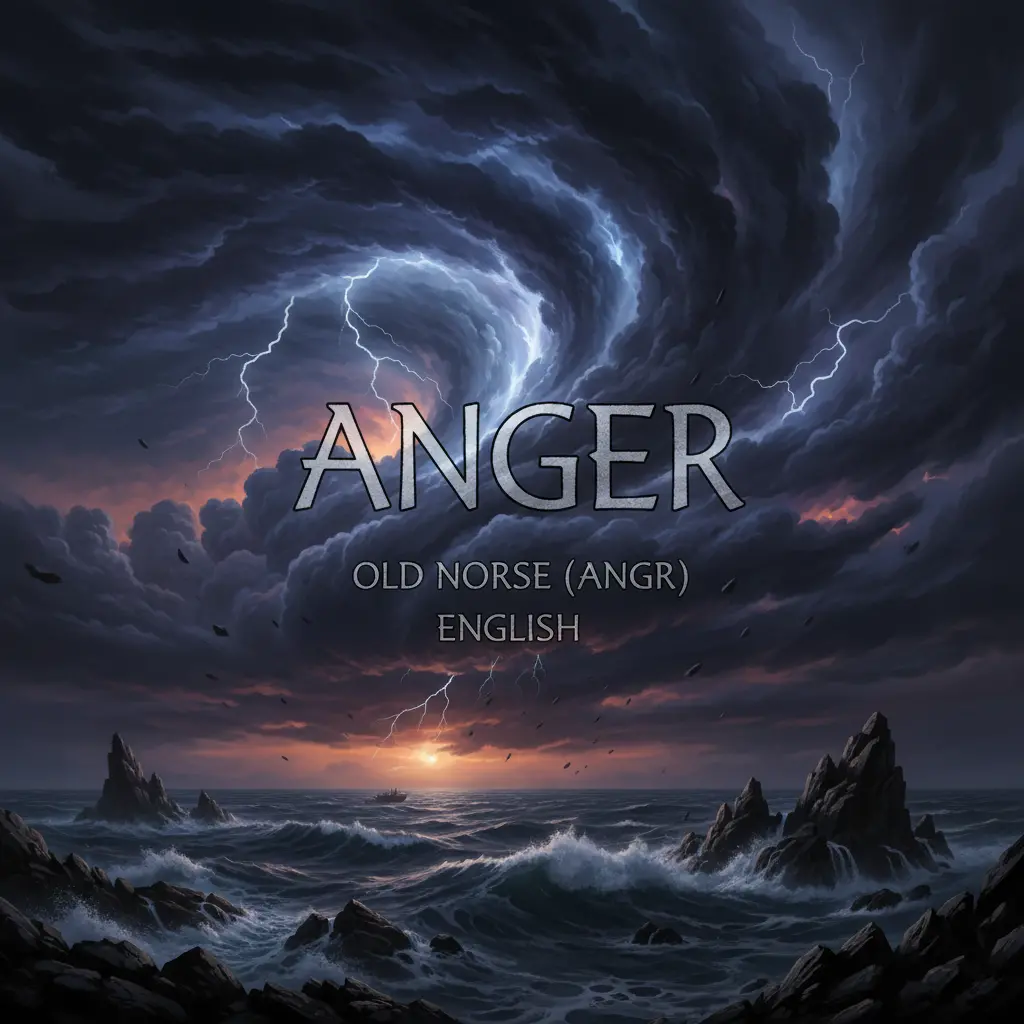
Root: anger (noun) + -y (adjective suffix) → Historical origin: Old Norse (angr) → English. Imagine a storm brewing, with dark clouds gathering, representing rising anger before a thunderous outburst.
Note 1: These definitions and etymologies are not standard dictionary definitions, but extended explanations provided to help with memorization and understanding of the actual application of words. Through this background information, we strive to make words more vivid and easier to understand, and help you remember their meanings in real life.
Note 2: LexiTalk designs the learning flow around the linguistics principle of “Comprehensible Input.” When learners encounter material that is slightly above their level but still understandable from context, the brain naturally absorbs the language. That’s why we keep every word inside authentic contexts, using examples and associations to help you understand it and use it flexibly.
Read the FAQ explanation of Comprehensible InputI press my palm against the table and push a little, watching my breath slow as a spark rises. I shift my weight, set my jaw, and hold the line between calm and the urge to snap. A small change happens inside, a heat that grows, and I decide to steer the moment so my voice stays steady. The room feels tighter, I turn away from the edge, and the feeling of anger lingers like a heat I can guide rather than release.
Angry describes a strong feeling of displeasure or hostility. It often arises when expectations are unmet, when someone feels insulted, or when a situation threatens safety or fairness. In everyday English, angry is a broad term that can describe mild irritability or intense anger, depending on intensity and context. It pairs with prepositions like at, with, or about (angry at someone, angry with a friend, angry about the decision). Learners should note that angry conveys visible emotion and can be followed by nouns, like anger itself, or by clauses that explain the cause. It can also appear in idioms, such as 'angry as a storm' metaphorically in creative writing.
Native English speakers often separate anger from other negative emotions with clear intensity and duration cues; learners may overgeneralize 'angry' to any irritation or confuse with 'annoyed' or 'upset'.
What does the word 'angry' mean?
Which sentence uses the word 'angry' correctly?
Which word is most similar in meaning to 'angry'?
Which word is the opposite of 'angry'?
Can you think of a real-life context where someone would feel this way? (Each sentence does not use the word 'angry'.)
Download LexiTalk app for personalized learning experience
Download AppCookies
We use cookies for essential site functions, analytics, and ads. You can accept, reject, or manage preferences. Privacy Policy