
bubble - Master This Word
Master this word with our 5-step learning method – Learn English in English
Train English Through Brain Routes, Not Translation.
This page helps you stop memorizing isolated translations and start understanding a word through its shared mental image, native-style thinking, and practical training steps.
Master this word with our 5-step learning method – Learn English in English
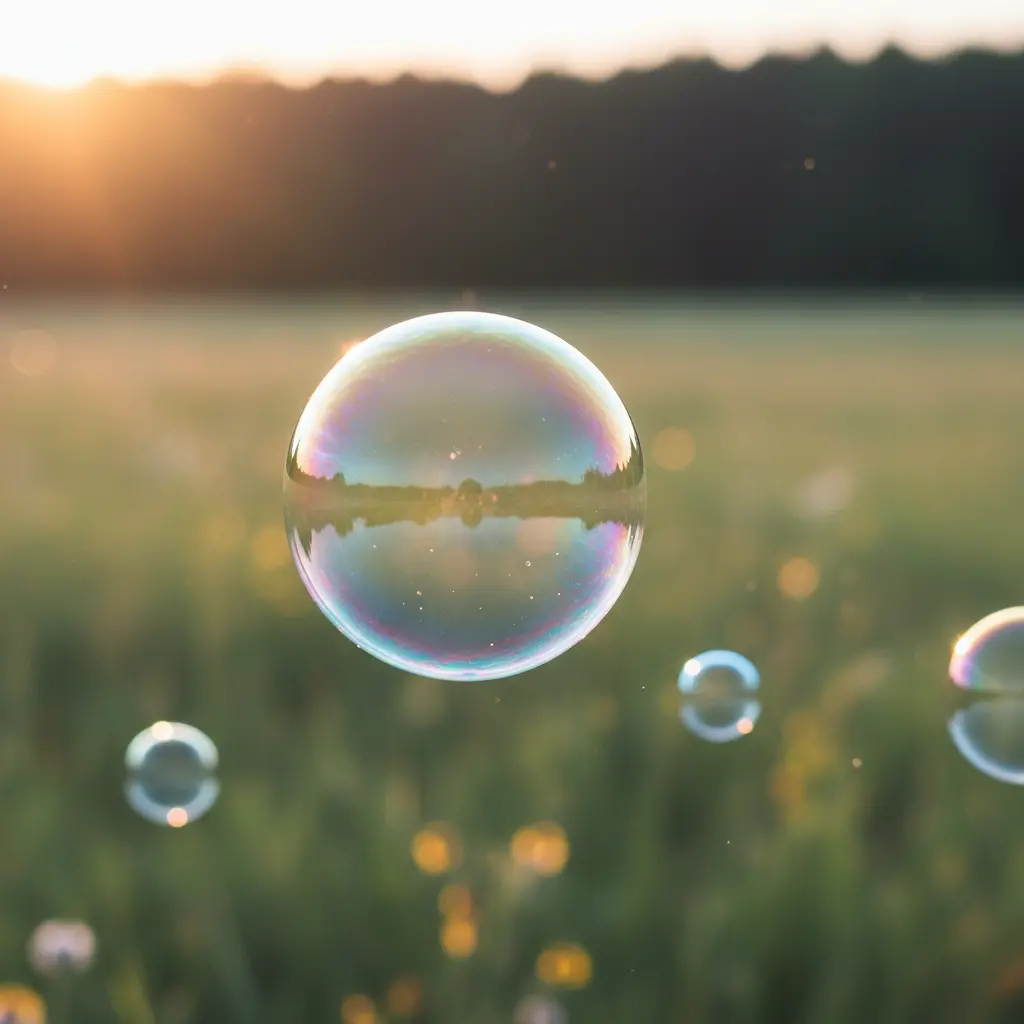
Example sentences are the start of understanding. Don't rush to memorize. First feel how the word works in a sentence.
bub- = an old word for 'bubble' + -ble = forming. Historical origin: Old English → Middle English → Modern English. Memory image: Picture a soap bubble floating gently, glimmering in the sunlight, representing lightness and joy.
Note 1: These definitions and etymologies are not standard dictionary definitions, but extended explanations provided to help with memorization and understanding of the actual application of words. Through this background information, we strive to make words more vivid and easier to understand, and help you remember their meanings in real life.
Note 2: LexiTalk designs the learning flow around the linguistics principle of “Comprehensible Input.” When learners encounter material that is slightly above their level but still understandable from context, the brain naturally absorbs the language. That’s why we keep every word inside authentic contexts, using examples and associations to help you understand it and use it flexibly.
Read the FAQ explanation of Comprehensible InputI tilt the glass and push the spoon through the liquid, setting the surface into a soft, shivering wake. Tiny bubbles pull away from the spoon and drift upward as I adjust the pace of my stir. I keep my eyes on them, watching how they rise, slow then quick, until they reach the light and pop. The feeling of control—deciding when to turn, when to slow, and when to let the bubbles escape—makes the moment real.
Bubble evokes both a physical object and a small moment of lightness. In everyday life, you see bubbles in water, soda, or soap—transparent spheres that trap air and drift upward. Learners often confuse bubble as a near-synonym of rise or burst, but bubble describes the form itself or the act of forming bubbles. The verb to bubble can refer to foaming liquid or gas rising, which comes up in cooking, science, or statements about a bubbling brook. The memory image of a shimmering soap bubble helps beginners remember lightness, fragility, and gentle movement. Idioms like “to bubble with excitement” show emotion that seems to rise from within.
For English speakers, bubble carries both a concrete image (a sphere) and a dynamic process (forming or rising). Learners often misread it as only a verb about bursting or as a general foamy phenomenon.
What is the meaning of the word 'bubble'?
In which sentence is the word 'bubble' used correctly?
Which word is a synonym of 'bubble'?
What is the opposite of 'bubble'?
Where would you typically find a bubble in real-life?
Download LexiTalk app for personalized learning experience
Download AppCookies
We use cookies for essential site functions, analytics, and ads. You can accept, reject, or manage preferences. Privacy Policy