
chloroplasts - Master This Word
Master this word with our 5-step learning method – Learn English in English
Train English Through Brain Routes, Not Translation.
This page helps you stop memorizing isolated translations and start understanding a word through its shared mental image, native-style thinking, and practical training steps.
Master this word with our 5-step learning method – Learn English in English
Example sentences are the start of understanding. Don't rush to memorize. First feel how the word works in a sentence.
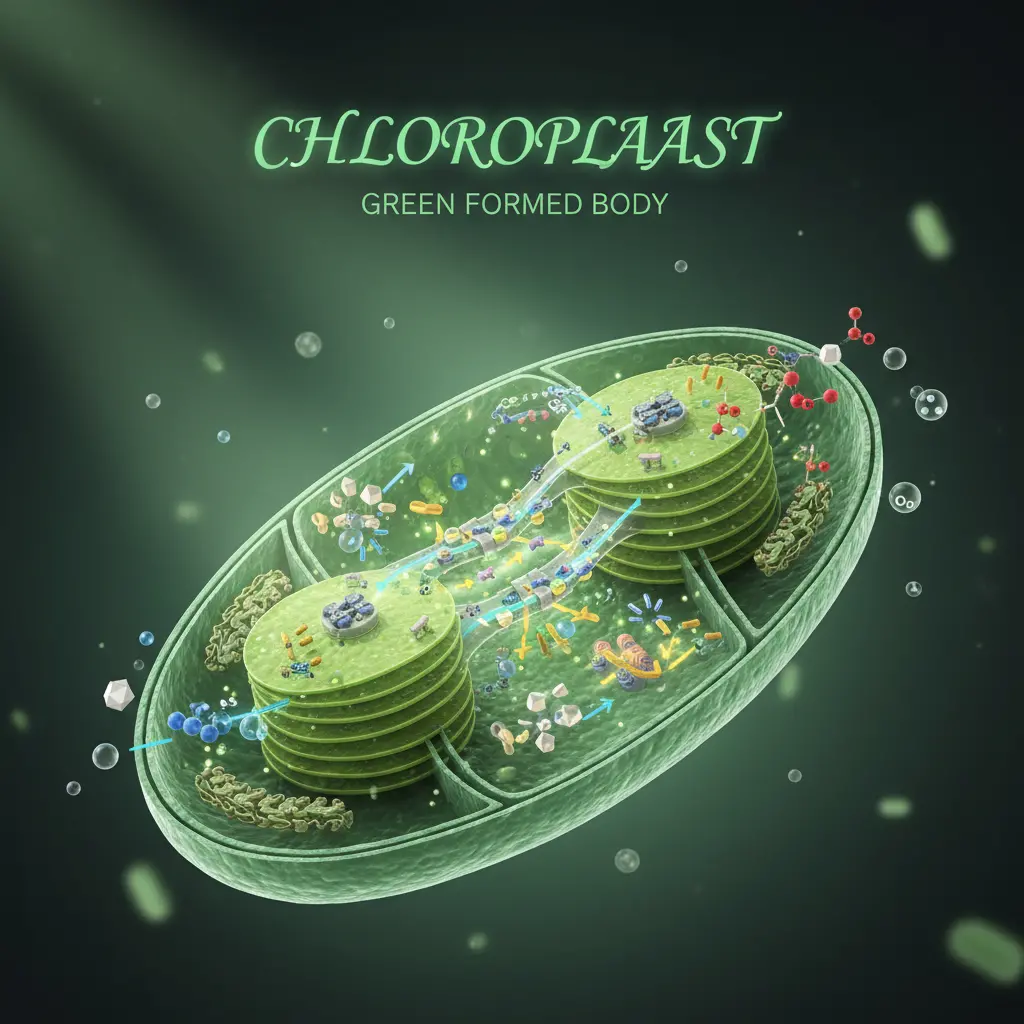
The word 'chloroplast' comes from the Greek 'chloros' meaning 'green' and 'plast' meaning 'formed or molded.' Thus, it means 'green formed body.' Imagine a tiny green factory in plant cells, bustling with activity as it converts sunlight into energy.
Note 1: These definitions and etymologies are not standard dictionary definitions, but extended explanations provided to help with memorization and understanding of the actual application of words. Through this background information, we strive to make words more vivid and easier to understand, and help you remember their meanings in real life.
Note 2: LexiTalk designs the learning flow around the linguistics principle of “Comprehensible Input.” When learners encounter material that is slightly above their level but still understandable from context, the brain naturally absorbs the language. That’s why we keep every word inside authentic contexts, using examples and associations to help you understand it and use it flexibly.
Read the FAQ explanation of Comprehensible InputChloroplasts are tiny green plant cell organelles where photosynthesis happens, turning light into chemical energy and building sugars that power the plant. They house chlorophyll and a complex set of molecular machinery across internal membranes, including stacks of thylakoids and a fluid called stroma. This organelle reflects an evolutionary history as a free-living bacterium, evidenced by its own DNA. In most land plants, chloroplasts are abundant in mature leaves and growing tissues, giving foliage its characteristic green color. Understanding chloroplasts helps explain how plants capture sunlight to sustain themselves and, implicitly, support life on Earth.
In English, the term chloroplast is treated as a biological technical word with roots that hint at color (green) and formation (plast). Learners may overemphasize color or confuse with chlorophyll, and often forget that chloroplasts are organelles, not pigments themselves.
Download LexiTalk app for personalized learning experience
Download AppCookies
We use cookies for essential site functions, analytics, and ads. You can accept, reject, or manage preferences. Privacy Policy