cruise - Master This Word
Master this word with our 5-step learning method – Learn English in English
Train English Through Brain Routes, Not Translation.
This page helps you stop memorizing isolated translations and start understanding a word through its shared mental image, native-style thinking, and practical training steps.
Master this word with our 5-step learning method – Learn English in English
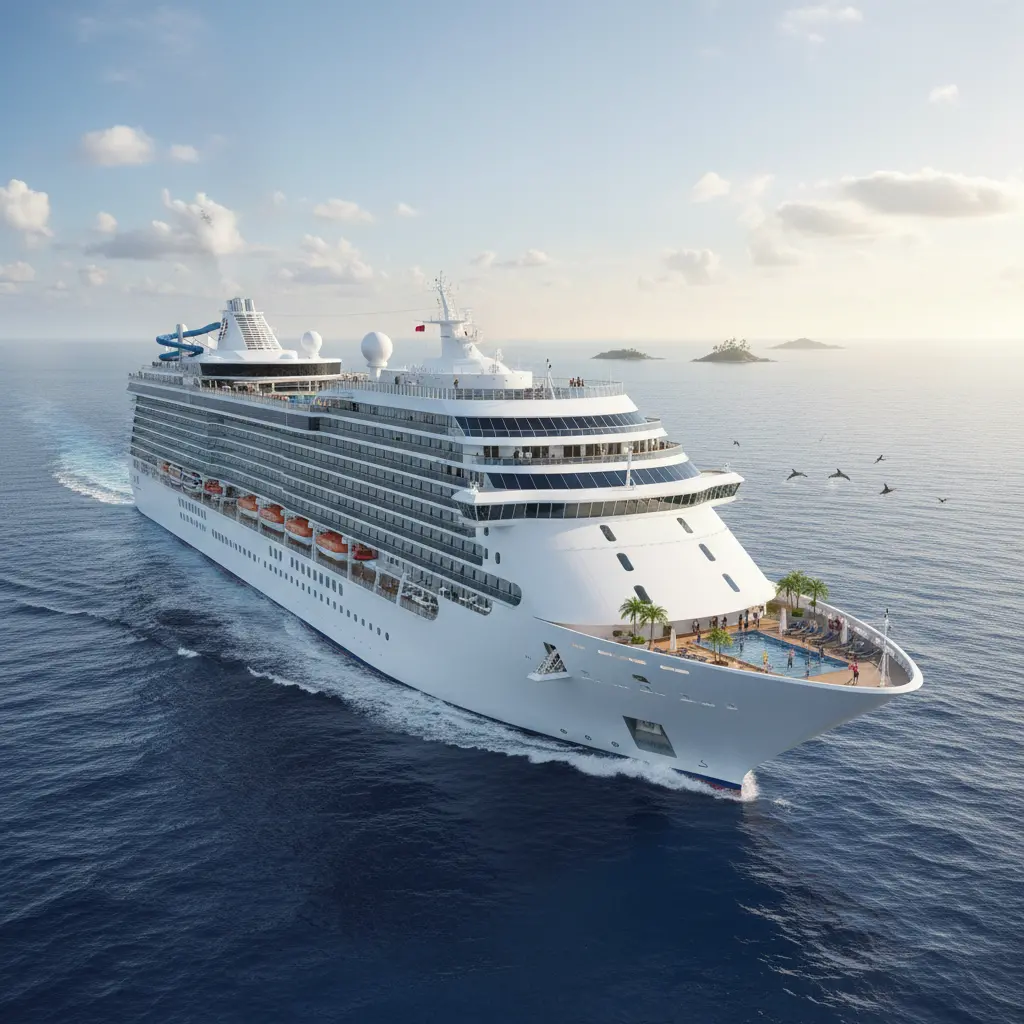
Example sentences are the start of understanding. Don't rush to memorize. First feel how the word works in a sentence.
From 'cruise', possibly from Middle Dutch 'cruysen' meaning 'to cross', implying smooth movement across waters. Imagining a large ship gliding effortlessly over waves evokes a sense of tranquility and adventure.
Note 1: These definitions and etymologies are not standard dictionary definitions, but extended explanations provided to help with memorization and understanding of the actual application of words. Through this background information, we strive to make words more vivid and easier to understand, and help you remember their meanings in real life.
Note 2: LexiTalk designs the learning flow around the linguistics principle of “Comprehensible Input.” When learners encounter material that is slightly above their level but still understandable from context, the brain naturally absorbs the language. That’s why we keep every word inside authentic contexts, using examples and associations to help you understand it and use it flexibly.
Read the FAQ explanation of Comprehensible InputI step onto the deck, grip the wheel, and push the throttle until the boat settles into a smooth glide. I keep my eyes on the horizon, feel the water cool and steady, and adjust the helm to hold a gentle pace. The wake draws a soft line behind us, and I ride the motion with a calm breath, letting this calm cruise unfold. When a gust nudges us, I shift a touch, move with the boat, and decide to keep going.
cruise can function as both a verb and a noun, with distinct but related senses. As a verb, it means to travel smoothly on water, such as a boat gliding along the coast or a ferry cruising through calm seas. It can also describe moving around an area in a steady, unhurried way, often to search or patrol. As a noun, cruise refers to a leisure voyage on a ship, typically with planned itineraries, meals, and onboard entertainment. In everyday speech, people also use phrases like cruise along or cruise by to describe moving past something with ease. The word’s etymology evokes calm crossing and confident, adventurous motion across water.
In English, cruise covers both a smooth travel motion and a leisure voyage; learners often misread it as a strictly holiday term or confuse with car features like cruise control, so focus on verb vs noun uses and common collocations.
What is the meaning of 'cruise'?
In which sentence is 'cruise' used correctly?
Which word is a synonym of 'cruise'?
Which word is an antonym of 'cruise'?
Can you think of a real-life context where 'cruise' is commonly used?
Download LexiTalk app for personalized learning experience
Download AppCookies
We use cookies for essential site functions, analytics, and ads. You can accept, reject, or manage preferences. Privacy Policy