dirt - Master This Word
Master this word with our 5-step learning method – Learn English in English
Train English Through Brain Routes, Not Translation.
This page helps you stop memorizing isolated translations and start understanding a word through its shared mental image, native-style thinking, and practical training steps.
Master this word with our 5-step learning method – Learn English in English
Example sentences are the start of understanding. Don't rush to memorize. First feel how the word works in a sentence.
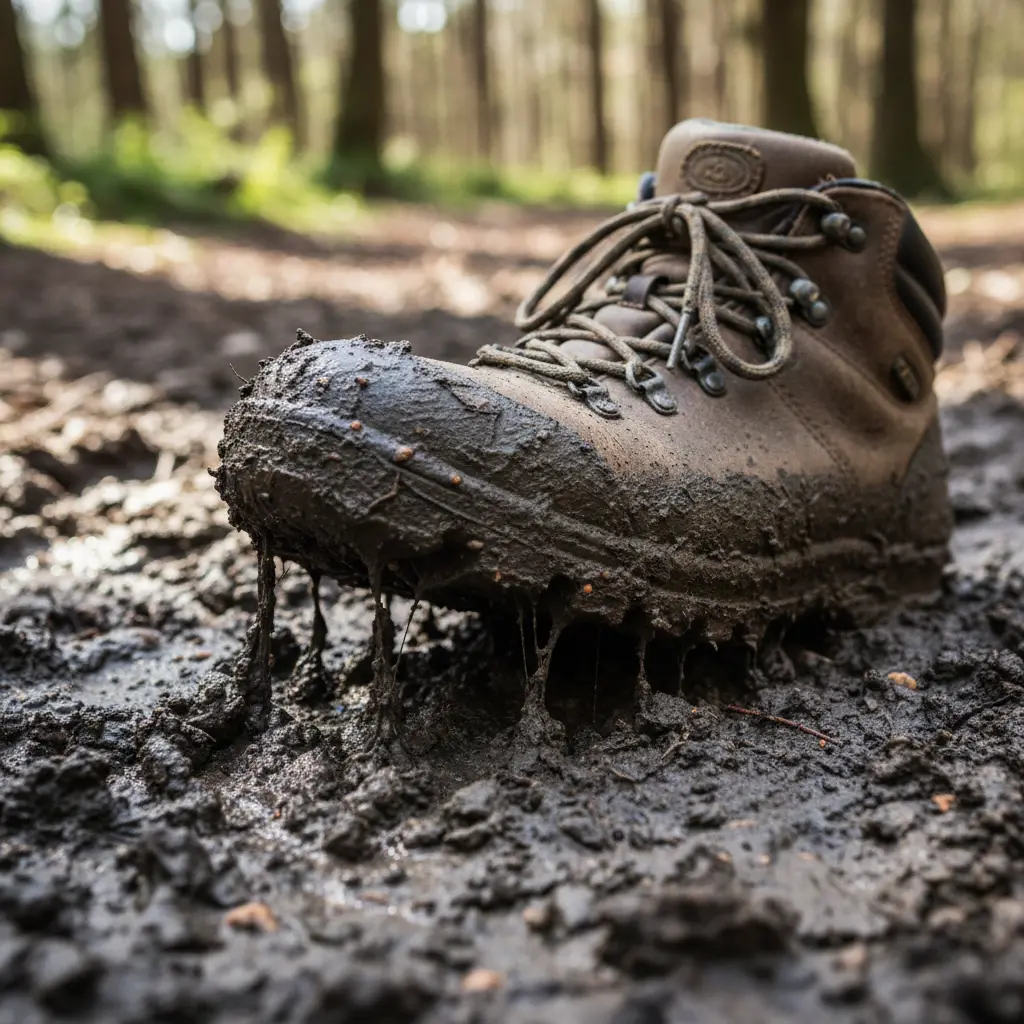
dirt = dir- (related to the root of 'dirty') + -t (noun suffix). Origin: Old English 'dyrte' → English. Imagine a muddy shoe sticking to the ground, representing dirt's essence.
Note 1: These definitions and etymologies are not standard dictionary definitions, but extended explanations provided to help with memorization and understanding of the actual application of words. Through this background information, we strive to make words more vivid and easier to understand, and help you remember their meanings in real life.
Note 2: LexiTalk designs the learning flow around the linguistics principle of “Comprehensible Input.” When learners encounter material that is slightly above their level but still understandable from context, the brain naturally absorbs the language. That’s why we keep every word inside authentic contexts, using examples and associations to help you understand it and use it flexibly.
Read the FAQ explanation of Comprehensible InputI crouch, scoop a handful of dirt, and hold it in my palm as the grains shift with my breath. I turn my wrist, watching the pile move and spread, then press it back into place with a careful set of fingers. I adjust my grip, feeling the texture tighten and loosen under my skin as the dirt stays close to my hand. The feel of it on the skin hints at soil, mud, or the earth's surface matter without naming it.
Dirt is a noun with several common senses. It can mean the loose earth, soil, or mud that covers the ground or sticks to shoes. It can also refer to something dirty or unclean, such as a stained shirt or a muddy surface. A third sense names the material that makes up the earth’s surface. In everyday speech you’ll hear phrases like 'get dirt on your hands' or 'dirt cheap' that use dirt in a metaphorical way or as a figurative intensifier. Dirt is often countable when you mean a specific amount of soil or a dirty spot, but the concept of dirt as general grime is usually uncountable.
In English, dirt bundles several concrete meanings in one word, but many learners keep mixing it with soil, mud, or grime. English also uses dirt in idioms like dirt cheap or get dirt on someone, which can be unfamiliar if your language uses different metaphor patterns.
What does the word 'dirt' refer to?
In which context would you use the word 'dirt'?
Which word is similar to 'dirt'?
What is the opposite of 'dirt'?
Can you give an example of a situation where you would use the word 'dirt'?
Download LexiTalk app for personalized learning experience
Download AppCookies
We use cookies for essential site functions, analytics, and ads. You can accept, reject, or manage preferences. Privacy Policy