
dissipate - Master This Word
Master this word with our 5-step learning method – Learn English in English
Train English Through Brain Routes, Not Translation.
This page helps you stop memorizing isolated translations and start understanding a word through its shared mental image, native-style thinking, and practical training steps.
Master this word with our 5-step learning method – Learn English in English
Example sentences are the start of understanding. Don't rush to memorize. First feel how the word works in a sentence.
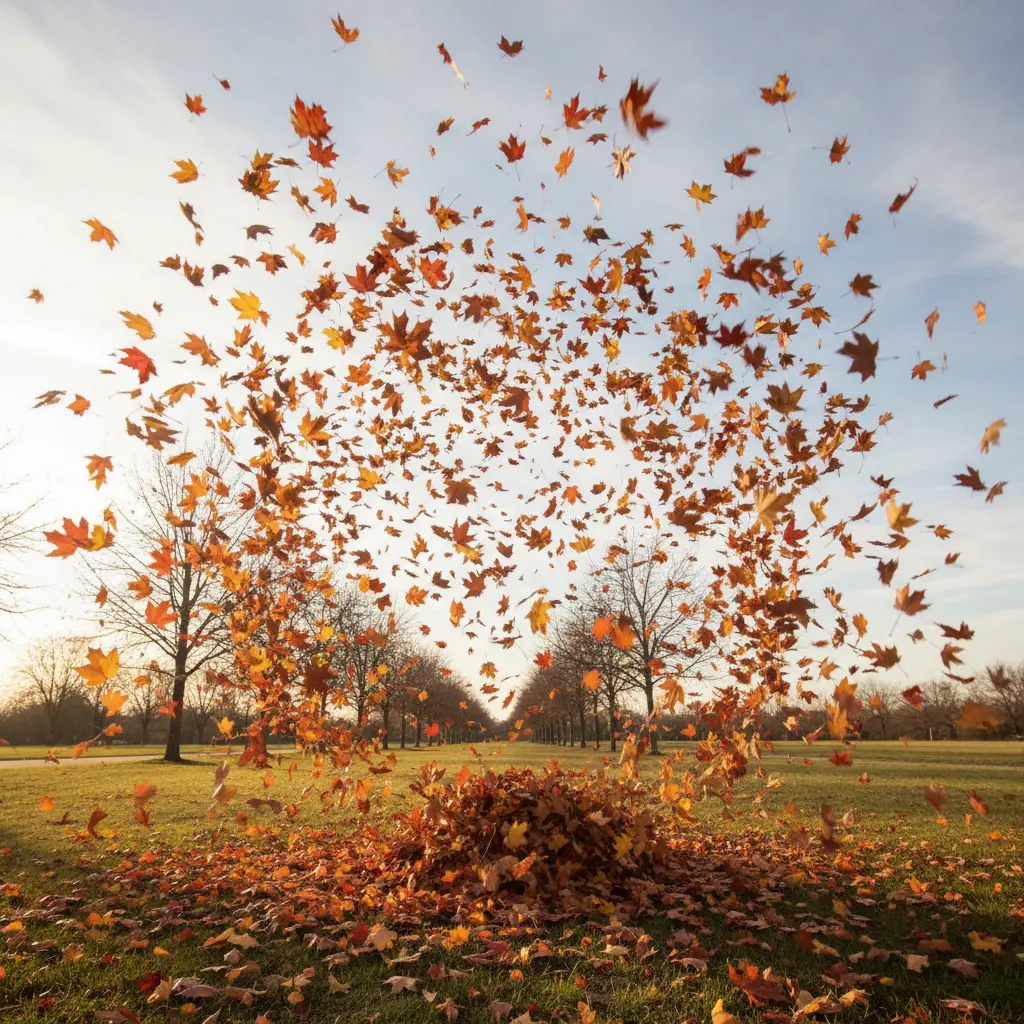
dis- (apart) + sipate (to scatter) → Latin 'dissipare' → Old French 'dissiper' → English. Imagine a group of leaves blowing apart in the wind, dissipating into the air.
Note 1: These definitions and etymologies are not standard dictionary definitions, but extended explanations provided to help with memorization and understanding of the actual application of words. Through this background information, we strive to make words more vivid and easier to understand, and help you remember their meanings in real life.
Note 2: LexiTalk designs the learning flow around the linguistics principle of “Comprehensible Input.” When learners encounter material that is slightly above their level but still understandable from context, the brain naturally absorbs the language. That’s why we keep every word inside authentic contexts, using examples and associations to help you understand it and use it flexibly.
Read the FAQ explanation of Comprehensible InputTo dissipate means to cause something to scatter and fade away, or to cause it to disappear entirely. It often describes physical things like smoke, fog, heat, or a visible energy that seems to vanish. It can also refer to abstract things such as doubts, tension, or enthusiasm that gradually fades with time or effort. You can say a plan or fear dissipates once people understand the situation, or that resources are dissipated by careless spending. Note that dissipate emphasizes dispersion and thinning until nothing remains, rather than simply moving from one place to another. It contrasts with disperse, which stresses spread while still existing.
English speakers often view dissipate as fading away or dispersing until nothing remains, and typically reserve it for non-human things or abstract states as well as physical phenomena.
What is the meaning of 'dissipate'?
In which of the following sentences is 'dissipate' used correctly?
Which word is a synonym of 'dissipate'?
What is the opposite meaning of 'dissipate'?
In what real-life context might you use the word 'dissipate'?
Download LexiTalk app for personalized learning experience
Download AppCookies
We use cookies for essential site functions, analytics, and ads. You can accept, reject, or manage preferences. Privacy Policy