gape - Master This Word
Master this word with our 5-step learning method – Learn English in English
Train English Through Brain Routes, Not Translation.
This page helps you stop memorizing isolated translations and start understanding a word through its shared mental image, native-style thinking, and practical training steps.
Master this word with our 5-step learning method – Learn English in English
Example sentences are the start of understanding. Don't rush to memorize. First feel how the word works in a sentence.
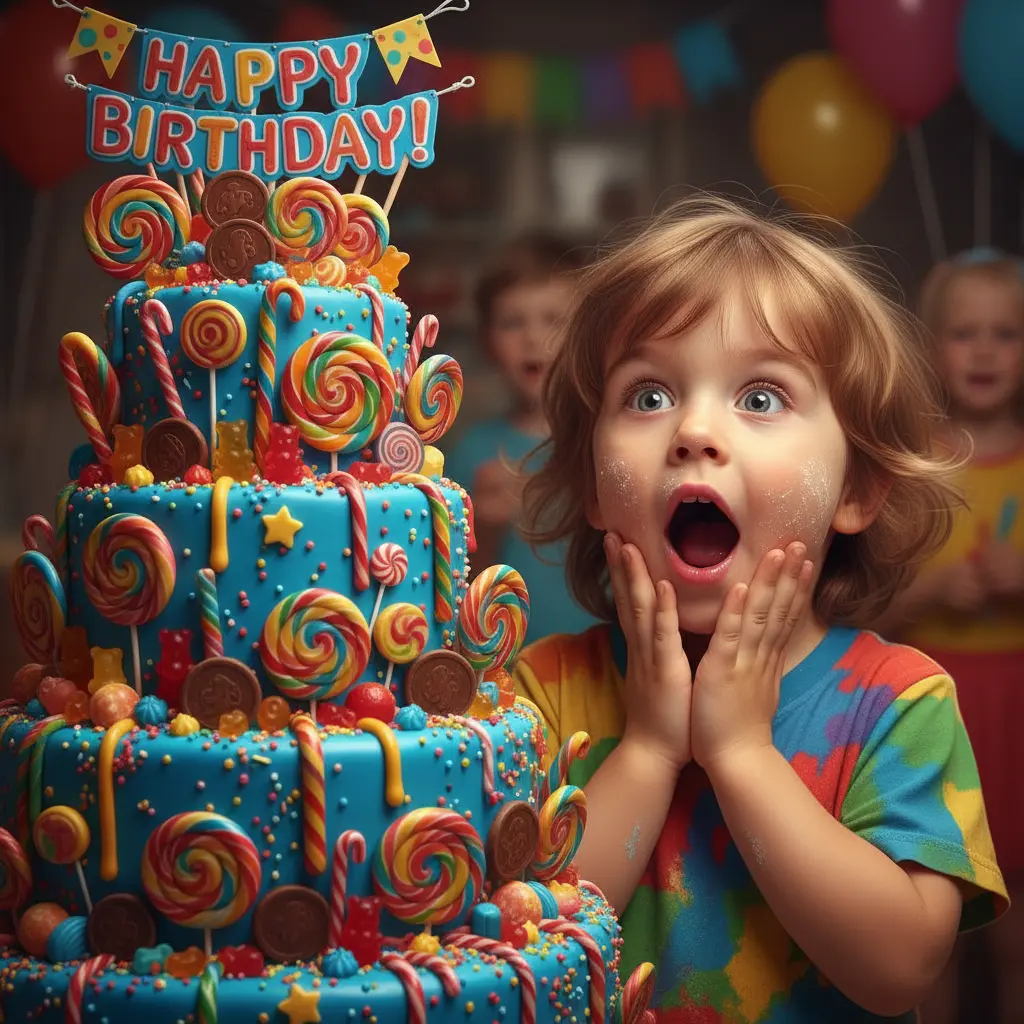
Root: gape = to open wide. Historical origin: Old English 'gapan' → Middle English. Memory image: Imagine a surprised child with their mouth wide open, gazing at a huge cake. This sense of wonder embodies the idea of something being so large or unexpected that it leaves one gaping.
Note 1: These definitions and etymologies are not standard dictionary definitions, but extended explanations provided to help with memorization and understanding of the actual application of words. Through this background information, we strive to make words more vivid and easier to understand, and help you remember their meanings in real life.
Note 2: LexiTalk designs the learning flow around the linguistics principle of “Comprehensible Input.” When learners encounter material that is slightly above their level but still understandable from context, the brain naturally absorbs the language. That’s why we keep every word inside authentic contexts, using examples and associations to help you understand it and use it flexibly.
Read the FAQ explanation of Comprehensible InputGape means to open the mouth wide in surprise or awe, often when something unexpected or impressive is seen. It can describe both the act of opening the mouth and the resulting expression of astonishment, from a child discovering a big cake to a spectator staring at a spectacular view. The third sense, to have a wide opening or gap, is more literal and refers to spaces or mouths, openings in doors, gaps in knowledge, or a fault line. The verb can also imply continued astonishment, a sense of disbelief, or a passive stark attention. When using it, consider the subject's emotion and the object that provokes the reaction.
English often pairs gape with verbs like 'gape at' to show attentive, astonished focus on a visually striking object; learners may overuse it with people or miss the natural 'at' pattern.
What does the word 'gape' mean?
Which sentence uses 'gape' correctly?
Which word is most similar to 'gape'?
What is the opposite of 'gape'?
Can you think of a real-life scenario where someone might experience a sense of wonder?
Download LexiTalk app for personalized learning experience
Download AppCookies
We use cookies for essential site functions, analytics, and ads. You can accept, reject, or manage preferences. Privacy Policy