
icebergs - Master This Word
Master this word with our 5-step learning method – Learn English in English
Train English Through Brain Routes, Not Translation.
This page helps you stop memorizing isolated translations and start understanding a word through its shared mental image, native-style thinking, and practical training steps.
Master this word with our 5-step learning method – Learn English in English
Example sentences are the start of understanding. Don't rush to memorize. First feel how the word works in a sentence.
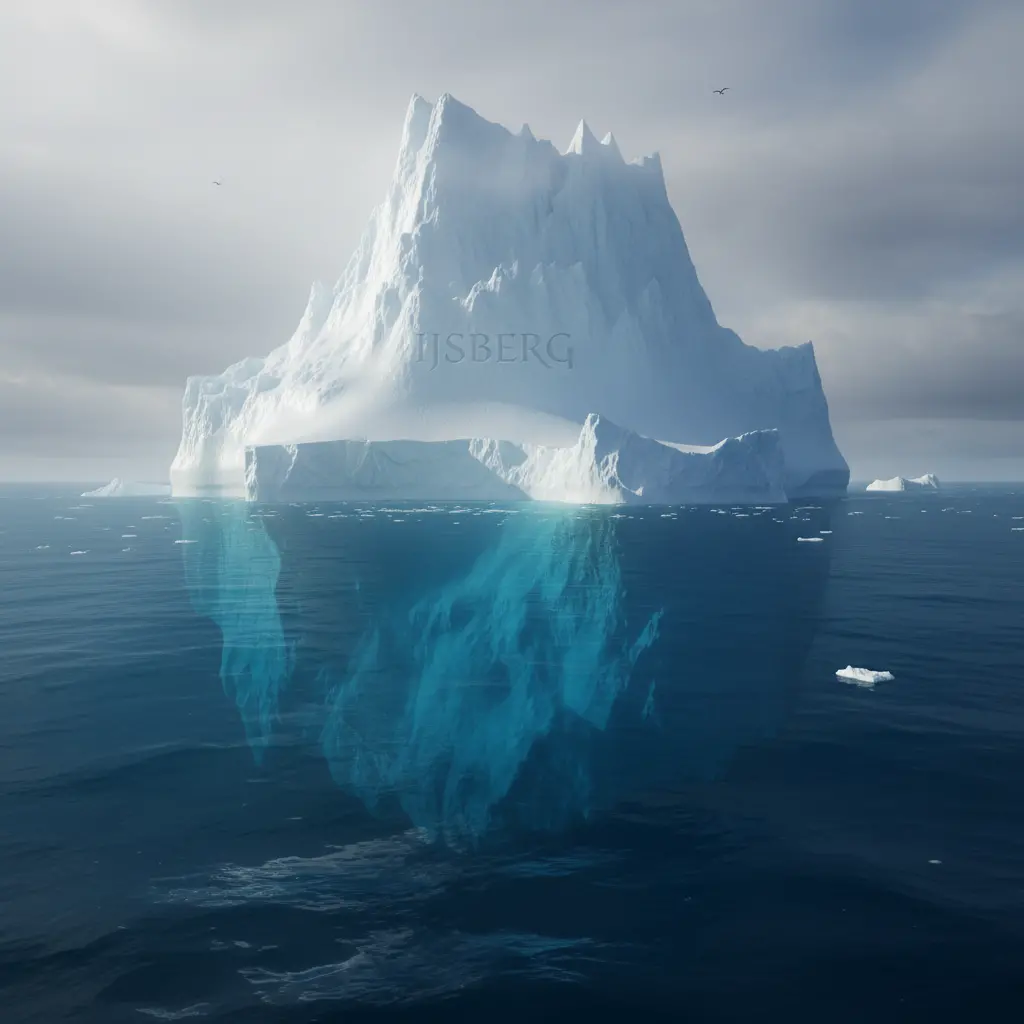
ice = frozen water; berg = mountain in Dutch. Origin: Dutch → English. Memory image: A massive, towering mountain of ice floating on the ocean, showing only the tip above the water while most is hidden beneath the surface.
Note 1: These definitions and etymologies are not standard dictionary definitions, but extended explanations provided to help with memorization and understanding of the actual application of words. Through this background information, we strive to make words more vivid and easier to understand, and help you remember their meanings in real life.
Note 2: LexiTalk designs the learning flow around the linguistics principle of “Comprehensible Input.” When learners encounter material that is slightly above their level but still understandable from context, the brain naturally absorbs the language. That’s why we keep every word inside authentic contexts, using examples and associations to help you understand it and use it flexibly.
Read the FAQ explanation of Comprehensible InputAn iceberg is a large mass of ice floating in the sea, with most of its volume hidden below the surface. In everyday speech, the phrase tip of the iceberg refers to a small visible part that hints at much larger underlying problems, complexities, or risks. The metaphor works across fields such as business, politics, and personal life, reminding us that what we can see is only a fraction of what exists. When people grow or systems evolve, superficial appearances can mask deeper dynamics such as costs, dependencies, or emotions. Learners should recognize common collocations like 'tip of the iceberg' and use iceberg to describe invisible or looming issues rather than literal ice formations.
In English, iceberg is often used as a vivid, flexible metaphor across many domains, but learners may overextend it to literal ice or key climate discussions; they also sometimes confuse the fixed phrase tip of the iceberg with broader notions of surface-level visibility.
Download LexiTalk app for personalized learning experience
Download AppCookies
We use cookies for essential site functions, analytics, and ads. You can accept, reject, or manage preferences. Privacy Policy