islands - Master This Word
Master this word with our 5-step learning method – Learn English in English
Train English Through Brain Routes, Not Translation.
This page helps you stop memorizing isolated translations and start understanding a word through its shared mental image, native-style thinking, and practical training steps.
Master this word with our 5-step learning method – Learn English in English
Example sentences are the start of understanding. Don't rush to memorize. First feel how the word works in a sentence.
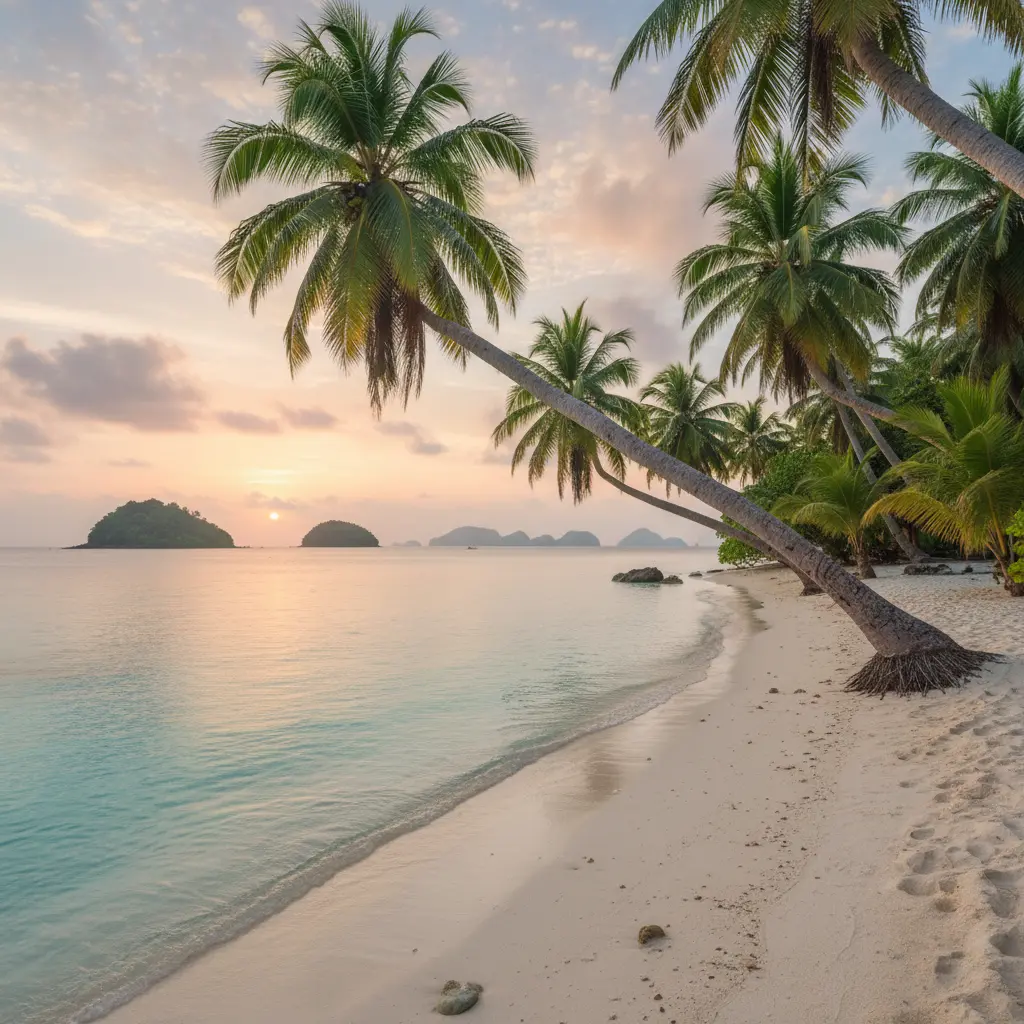
Root: isle (a small island); Origin: Latin 'insula' → Old French 'isle' → English. Image: Picture a serene, palm-fringed beach on a secluded island, away from the chaos of the world.
Note 1: These definitions and etymologies are not standard dictionary definitions, but extended explanations provided to help with memorization and understanding of the actual application of words. Through this background information, we strive to make words more vivid and easier to understand, and help you remember their meanings in real life.
Note 2: LexiTalk designs the learning flow around the linguistics principle of “Comprehensible Input.” When learners encounter material that is slightly above their level but still understandable from context, the brain naturally absorbs the language. That’s why we keep every word inside authentic contexts, using examples and associations to help you understand it and use it flexibly.
Read the FAQ explanation of Comprehensible InputFirst I push off from the dock, steadying the boat with a firm grip. The shore slides away and a patch of land comes into view, water circling its edges, and I shift my focus to that boundary. The air changes as the distance grows, and I feel a quiet decision rising to keep my balance and route toward the shore. It’s a small, self-contained space I begin to inhabit—an island you can set your life down on, separate from the rest.
An island is a piece of land that is completely surrounded by water, large enough to support life and human activity. In everyday use, the word can describe geographical features like islands in the Caribbean or Manhattan, and it often evokes ideas of isolation or separation from the mainland. Island can also carry metaphorical nuance, referring to a place or situation that stands apart from its surroundings, offering refuge or posing challenges to reach. Common collocations include island nation, island hopping, island life, and islander. The term has historical layers: from isle to insula to island, reflecting its medieval and classical roots while maintaining a familiar modern sense.
Isolated geography can feel abstract to learners; emphasize that island is both a physical landform and a metaphor for separation, and highlight common collocations and prepositions.
Download LexiTalk app for personalized learning experience
Download AppCookies
We use cookies for essential site functions, analytics, and ads. You can accept, reject, or manage preferences. Privacy Policy