kid - Master This Word
Master this word with our 5-step learning method – Learn English in English
Train English Through Brain Routes, Not Translation.
This page helps you stop memorizing isolated translations and start understanding a word through its shared mental image, native-style thinking, and practical training steps.
Master this word with our 5-step learning method – Learn English in English
Example sentences are the start of understanding. Don't rush to memorize. First feel how the word works in a sentence.
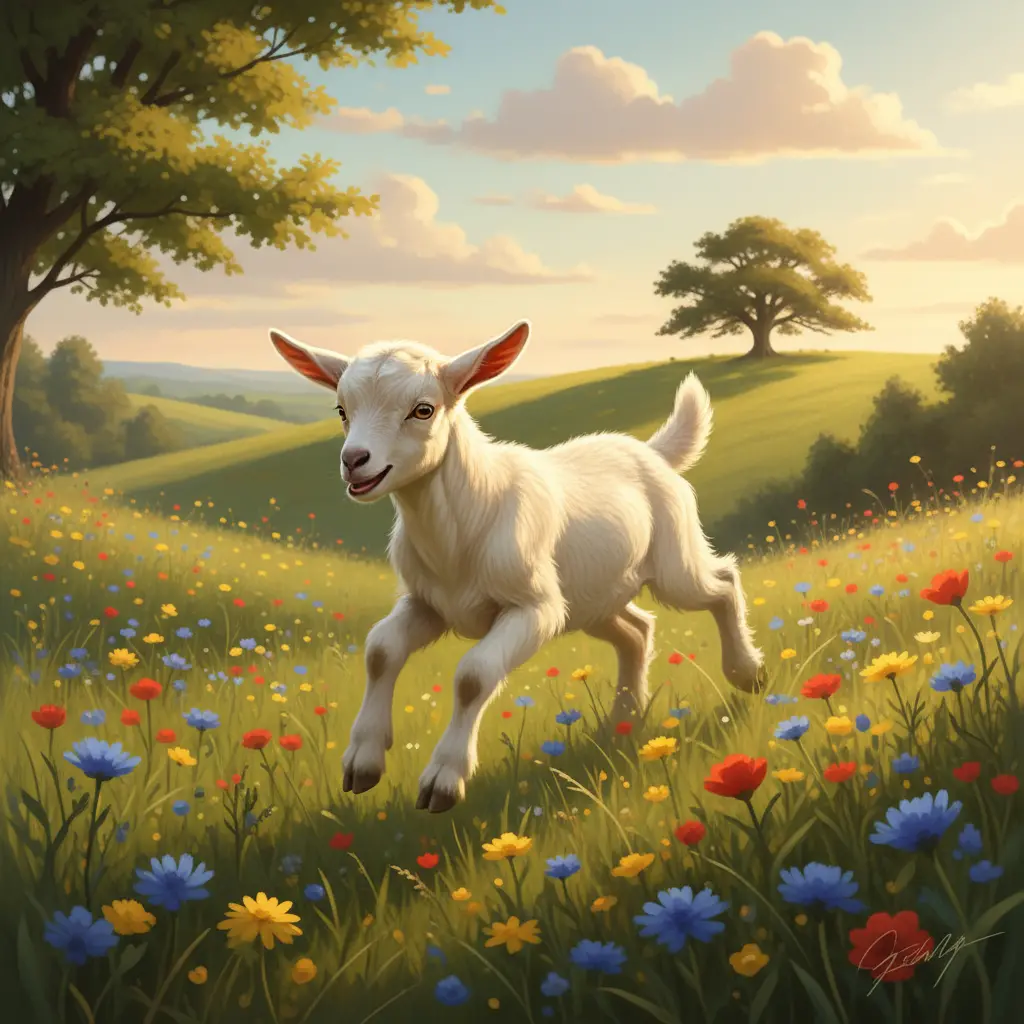
The root 'kid' comes from Old Norse 'kith', meaning 'young goat'. This word evolved to refer to any young creature. Imagine a small goat frolicking in a meadow, symbolizing youth and playfulness. The figurative use extends to children and those who are young at heart.
Note 1: These definitions and etymologies are not standard dictionary definitions, but extended explanations provided to help with memorization and understanding of the actual application of words. Through this background information, we strive to make words more vivid and easier to understand, and help you remember their meanings in real life.
Note 2: LexiTalk designs the learning flow around the linguistics principle of “Comprehensible Input.” When learners encounter material that is slightly above their level but still understandable from context, the brain naturally absorbs the language. That’s why we keep every word inside authentic contexts, using examples and associations to help you understand it and use it flexibly.
Read the FAQ explanation of Comprehensible InputI reach for a toy and move it to the center of the rug, watching a kid step closer. The kid grins, and I shift my stance to keep the game lively. I feel the effort to hold the pace, then push the joke a little further as I decide how far to go. We let the moment settle, keeping the energy friendly as we set the rules of play.
Kid is a casual word for a young person or animal, and as a verb it means to tease or joke with someone in a friendly way. As a noun it covers a broad range: a young human child, or a young animal such as a goat or puppy. In everyday speech you might hear 'the kid next door,' or 'that kid loves animals.' The verb form is used in phrases like 'to kid around' or 'don't kid me' to mean 'don't joke with me.' The historical note: the root came from Old Norse 'kith,' meaning a young goat, and over time it extended to refer to youth in general. This word is informal, often affectionate.
In English, kid is distinctly informal and often affectionate. Learners should avoid using it in official writing or with strangers, and should not assume it always refers to a human child—animals can be called kids in some contexts. Remember the verb form invites playfulness rather than deception.
In which context is the word 'kid' commonly used?
Which word is similar to 'kid'?
What is the opposite of 'kid'?
How is the word 'kid' used in a real-life context?
Download LexiTalk app for personalized learning experience
Download AppCookies
We use cookies for essential site functions, analytics, and ads. You can accept, reject, or manage preferences. Privacy Policy