lawn - Master This Word
Master this word with our 5-step learning method – Learn English in English
Train English Through Brain Routes, Not Translation.
This page helps you stop memorizing isolated translations and start understanding a word through its shared mental image, native-style thinking, and practical training steps.
Master this word with our 5-step learning method – Learn English in English
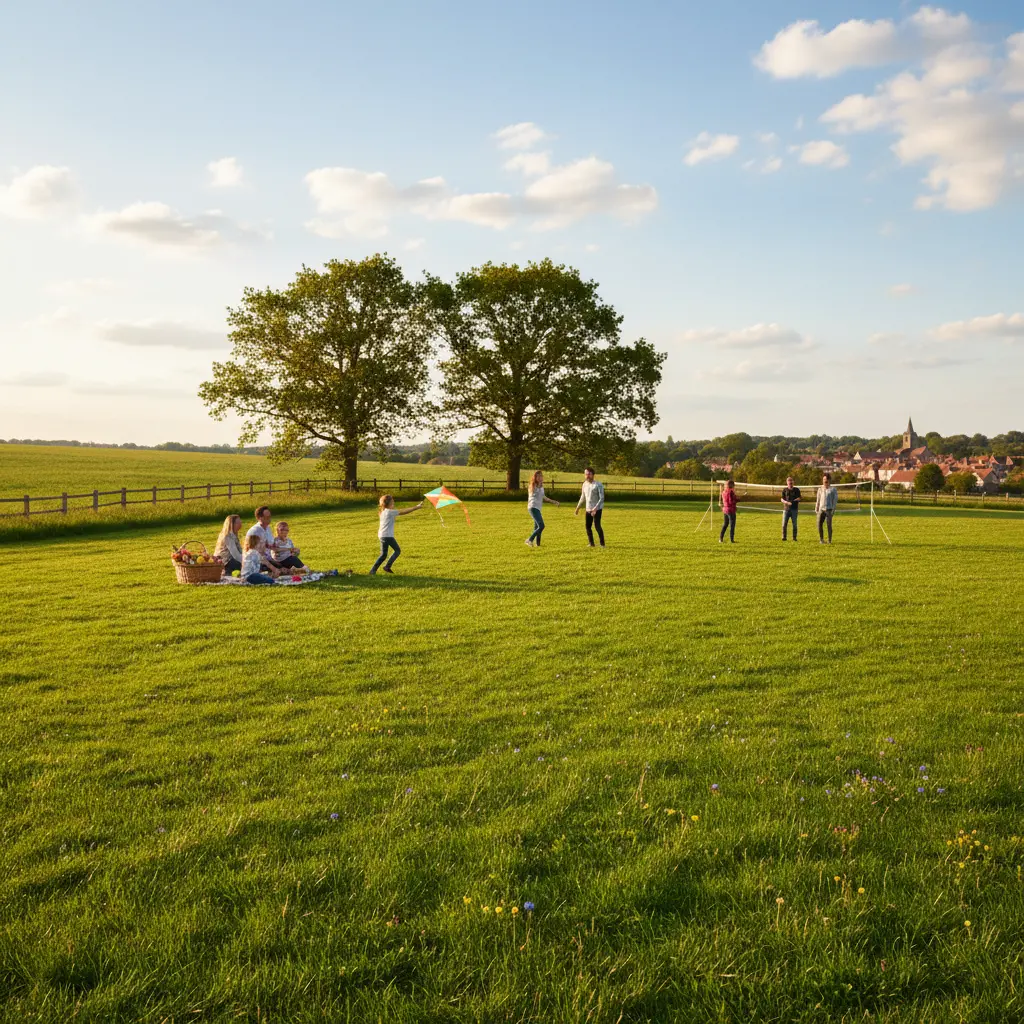
Example sentences are the start of understanding. Don't rush to memorize. First feel how the word works in a sentence.
lawn = from Old English 'laune' (a grassy area) → Old French 'laune' → English 'lawn'. Imagine a serene, sunlit field, perfect for picnics and play.
Note 1: These definitions and etymologies are not standard dictionary definitions, but extended explanations provided to help with memorization and understanding of the actual application of words. Through this background information, we strive to make words more vivid and easier to understand, and help you remember their meanings in real life.
Note 2: LexiTalk designs the learning flow around the linguistics principle of “Comprehensible Input.” When learners encounter material that is slightly above their level but still understandable from context, the brain naturally absorbs the language. That’s why we keep every word inside authentic contexts, using examples and associations to help you understand it and use it flexibly.
Read the FAQ explanation of Comprehensible InputI step onto the lawn and feel the grass under my feet, moving my weight from heel to toe. I bend slightly, push aside a stray blade, and adjust my stance as the sun shifts. I set a blanket and keep the space clear, deciding where to sit and how to enjoy the open space. The lawn stops being just grass and turns into a small stage beside the house for chats, games, or a quiet afternoon.
Lawn is a noun for a defined area of land covered with grass, typically attached to a house or part of a public space. It is usually a manicured space used for recreation, gatherings, or quiet relaxation, with clear edges and neatly kept grass. In many contexts the word evokes a tidy suburban or park-like feel, and people often mow, edge, and fertilize it to maintain an even surface. The concept can extend to sports fields or event spaces with a grass surface. Learners should note the distinction between lawn and similar terms like yard or garden, and use precise adjectives to convey size and purpose.
English speakers often view lawn as a distinctly managed, decorative outdoor space near a home; it carries suburban and park associations. Learners may overgeneralize to any grass area or confuse lawn with garden or yard.
Which sentence uses the word 'lawn' correctly?
Which word is most similar to 'lawn'?
What is the opposite of 'lawn'?
Can you give an example of a real-life scenario involving a lawn?
Download LexiTalk app for personalized learning experience
Download AppCookies
We use cookies for essential site functions, analytics, and ads. You can accept, reject, or manage preferences. Privacy Policy