
omnivores - Master This Word
Master this word with our 5-step learning method – Learn English in English
Train English Through Brain Routes, Not Translation.
This page helps you stop memorizing isolated translations and start understanding a word through its shared mental image, native-style thinking, and practical training steps.
Master this word with our 5-step learning method – Learn English in English
Example sentences are the start of understanding. Don't rush to memorize. First feel how the word works in a sentence.
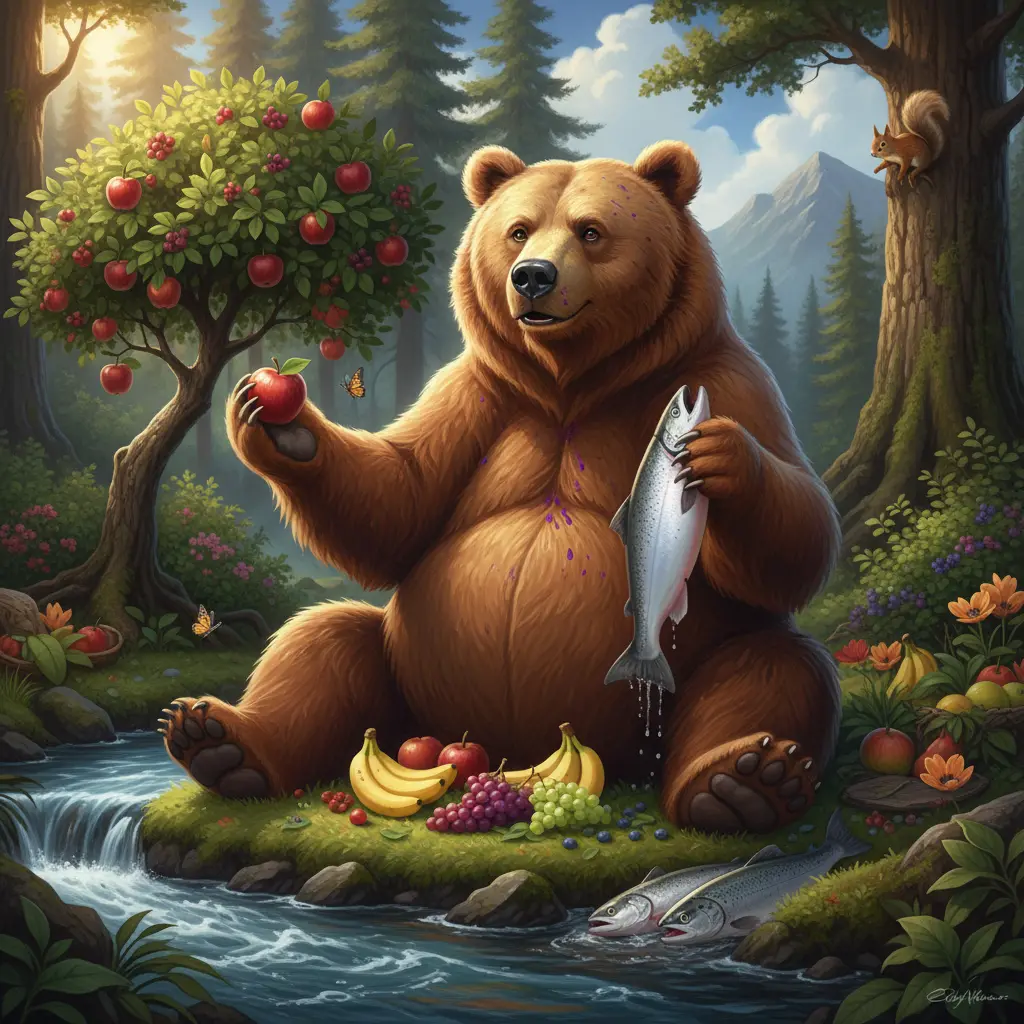
(omni- + vorare) - from Latin 'omnis' meaning all + 'vorare' meaning to devour. - Imagine a large, friendly bear who enjoys picking fruits from trees and catching fish in the river, embodying the essence of an omnivore.
Note 1: These definitions and etymologies are not standard dictionary definitions, but extended explanations provided to help with memorization and understanding of the actual application of words. Through this background information, we strive to make words more vivid and easier to understand, and help you remember their meanings in real life.
Note 2: LexiTalk designs the learning flow around the linguistics principle of “Comprehensible Input.” When learners encounter material that is slightly above their level but still understandable from context, the brain naturally absorbs the language. That’s why we keep every word inside authentic contexts, using examples and associations to help you understand it and use it flexibly.
Read the FAQ explanation of Comprehensible InputAn omnivore is a word used for people or animals that eat both plants and animals. In biology, it often describes species without a strict herbivore or carnivore diet, such as humans, bears, pigs, and raccoons. Omnivores rely on a flexible diet that helps them adapt to different environments, seasons, and resource availability. The term also appears in nutrition and anthropology, highlighting how cultures incorporate diverse food sources. Remember that being omnivorous does not imply moral judgment or lack of preference; it simply means the diet includes a range of plant and animal foods. Etymology: omni means all and vorare means to devour in Latin.
In English, people often picture omnivores as flexible eaters but not as eating anything; learners should note the contrast with herbivores and carnivores and remember cultural associations with meat and vegetables in mixes.
Download LexiTalk app for personalized learning experience
Download AppCookies
We use cookies for essential site functions, analytics, and ads. You can accept, reject, or manage preferences. Privacy Policy