parade - Master This Word
Master this word with our 5-step learning method – Learn English in English
Train English Through Brain Routes, Not Translation.
This page helps you stop memorizing isolated translations and start understanding a word through its shared mental image, native-style thinking, and practical training steps.
Master this word with our 5-step learning method – Learn English in English
Example sentences are the start of understanding. Don't rush to memorize. First feel how the word works in a sentence.
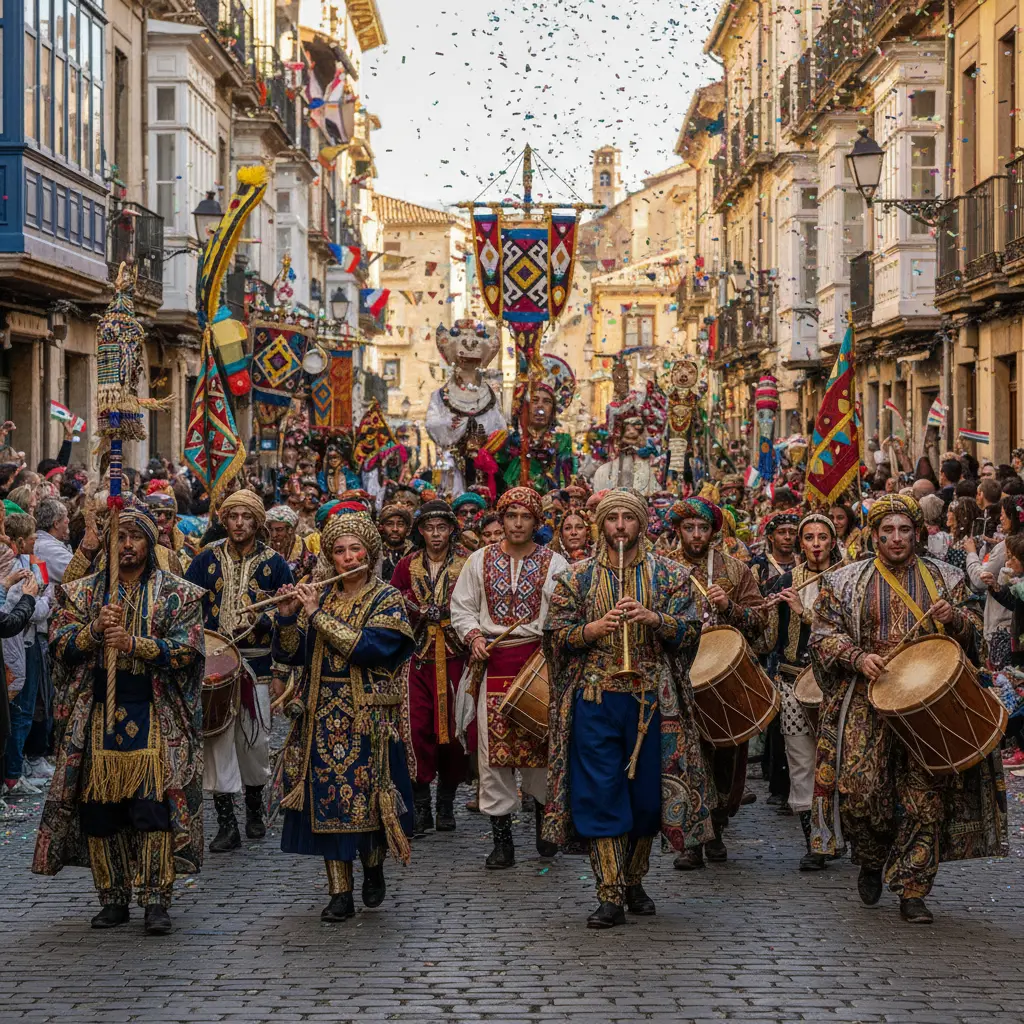
parade = para- (beside) + ade (act of) from Latin, meaning 'to put beside'. Origin: Latin → Old French → English. Imagine a colorful procession of people marching beside each other, showcasing their culture and joy, creating a vibrant atmosphere.
Note 1: These definitions and etymologies are not standard dictionary definitions, but extended explanations provided to help with memorization and understanding of the actual application of words. Through this background information, we strive to make words more vivid and easier to understand, and help you remember their meanings in real life.
Note 2: LexiTalk designs the learning flow around the linguistics principle of “Comprehensible Input.” When learners encounter material that is slightly above their level but still understandable from context, the brain naturally absorbs the language. That’s why we keep every word inside authentic contexts, using examples and associations to help you understand it and use it flexibly.
Read the FAQ explanation of Comprehensible InputI plant my feet and breathe in, then I start to move with the crowd. A line of floats and dancers glides by, and I shift my posture to keep pace, my eyes catching the drumbeat as I turn with it. I push a little to hold my place, then pull back when a banner sweeps by, letting the moment settle. When the last float passes, I feel the parade’s energy change me, a small pride growing inside.
Parade is a public procession that celebrates an event, or a colorful display of people or vehicles in a show. As a verb, parade can mean to march or to display something in a festive, attention grabbing way. Parades are common in many cultures for national holidays, sports victories, or cultural festivals, and they often feature music, costumes, banners, and choreographed movements while crowds line the streets. The word comes from para- (beside) + ade (act of), through Latin and Old French into English. Imagine a bright lineup of floats, marching bands, dancers, and flags moving together down a city avenue, creating energy, pride, and shared memory.
Explain to an English speaker: Parade blends ceremony with spectacle; it often implies a planned route, spectators, and public celebration. Learners sometimes assume parade requires solemn formality or only happens on holidays.
What is the meaning of 'parade'?
In which sentence is 'parade' used correctly?
Which word is a synonym of 'parade'?
What is the opposite of 'parade'?
In what real-life context would you see a parade?
Download LexiTalk app for personalized learning experience
Download AppCookies
We use cookies for essential site functions, analytics, and ads. You can accept, reject, or manage preferences. Privacy Policy