wheat - Master This Word
Master this word with our 5-step learning method – Learn English in English
Train English Through Brain Routes, Not Translation.
This page helps you stop memorizing isolated translations and start understanding a word through its shared mental image, native-style thinking, and practical training steps.
Master this word with our 5-step learning method – Learn English in English
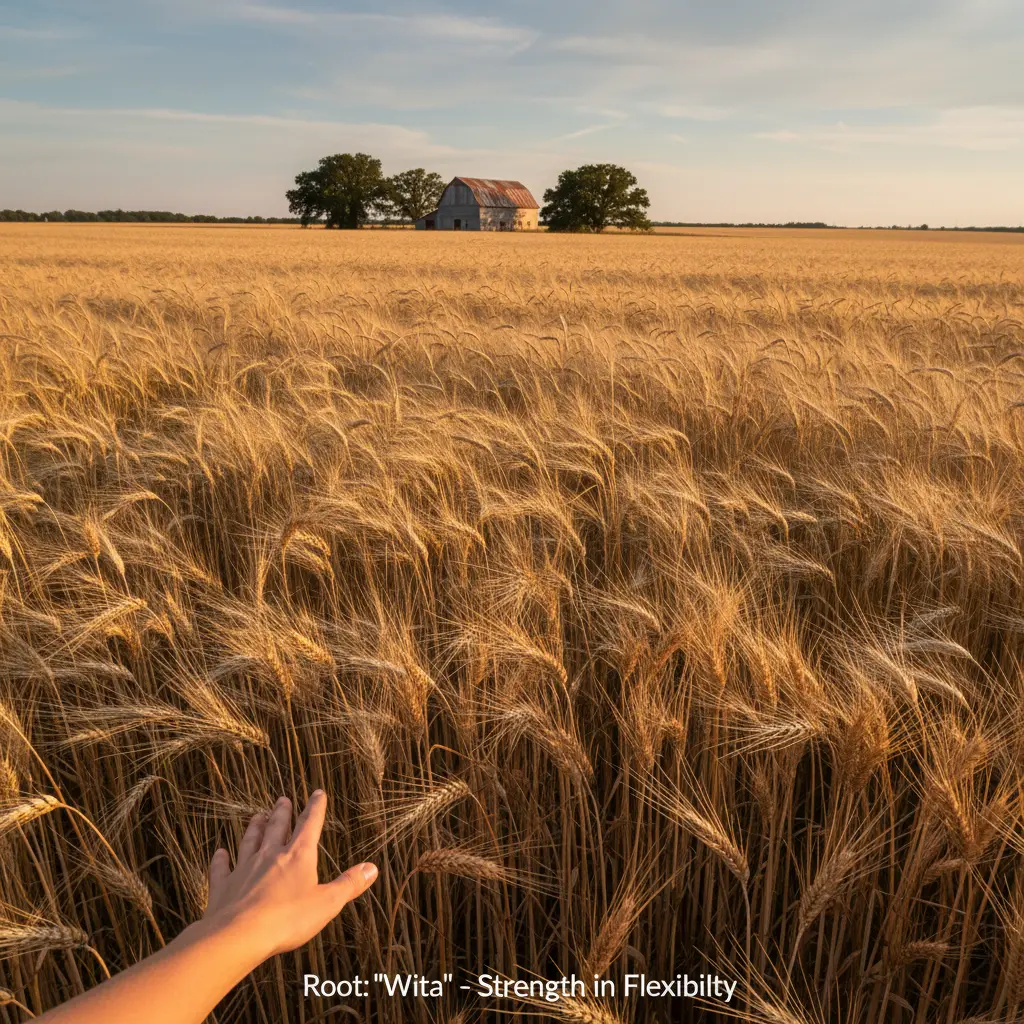
Example sentences are the start of understanding. Don't rush to memorize. First feel how the word works in a sentence.
Root: 'wheat' (related to 'weak' meaning 'to bend'), originally from Old English 'wita'. The term evolved through Germanic languages to modern English. Imagine a field of golden wheat bending gently in the wind, symbolizing nourishment and the connection to basic sustenance even in tough times.
Note 1: These definitions and etymologies are not standard dictionary definitions, but extended explanations provided to help with memorization and understanding of the actual application of words. Through this background information, we strive to make words more vivid and easier to understand, and help you remember their meanings in real life.
Note 2: LexiTalk designs the learning flow around the linguistics principle of “Comprehensible Input.” When learners encounter material that is slightly above their level but still understandable from context, the brain naturally absorbs the language. That’s why we keep every word inside authentic contexts, using examples and associations to help you understand it and use it flexibly.
Read the FAQ explanation of Comprehensible InputI cup my hands around a handful of wheat and let the grains move against my skin. I tilt the bowl and watch them shift, then adjust my grip to keep them from spilling. I feel the effort rise in my wrists as I set the motion, a quiet push and pull that keeps a rhythm. From this simple, steady action, the idea of a staple food forms as the grain from a field becomes what I cook and eat.
Wheat is one of the oldest cultivated grains, powering diets around the world. In everyday use, it refers both to the edible grain itself and to the plant that bears it. When ground, wheat becomes flour, the backbone of breads, pastries, and many sauces. In agriculture, wheat can denote a crop grown in fields, often in large, golden swaths that shimmer in the sun. In nutrition, wheat is a staple food for hundreds of millions, though some people avoid it due to gluten sensitivity or dietary choices. The term also appears in idioms about resilience, fairness, and nourishment, linking weathered fields to sustenance in tough times.
In English, wheat is often treated as a versatile, countable topic in recipes and agriculture, with distinct terms like wheat and flour. Learners may miscount or confuse when switching to articles or plural forms, or assume that all cereals behave the same.
What is the meaning of the word 'wheat'?
In which sentence is the word 'wheat' used correctly?
Which word is a synonym of 'wheat'?
Which word is an opposite of 'wheat'?
In what real-life context would you typically find 'wheat'?
English Learning Listening Content
Listen NowDownload LexiTalk app for personalized learning experience
Download AppCookies
We use cookies for essential site functions, analytics, and ads. You can accept, reject, or manage preferences. Privacy Policy