purely - Master This Word
Master this word with our 5-step learning method – Learn English in English
Train English Through Brain Routes, Not Translation.
This page helps you stop memorizing isolated translations and start understanding a word through its shared mental image, native-style thinking, and practical training steps.
Master this word with our 5-step learning method – Learn English in English
Example sentences are the start of understanding. Don't rush to memorize. First feel how the word works in a sentence.
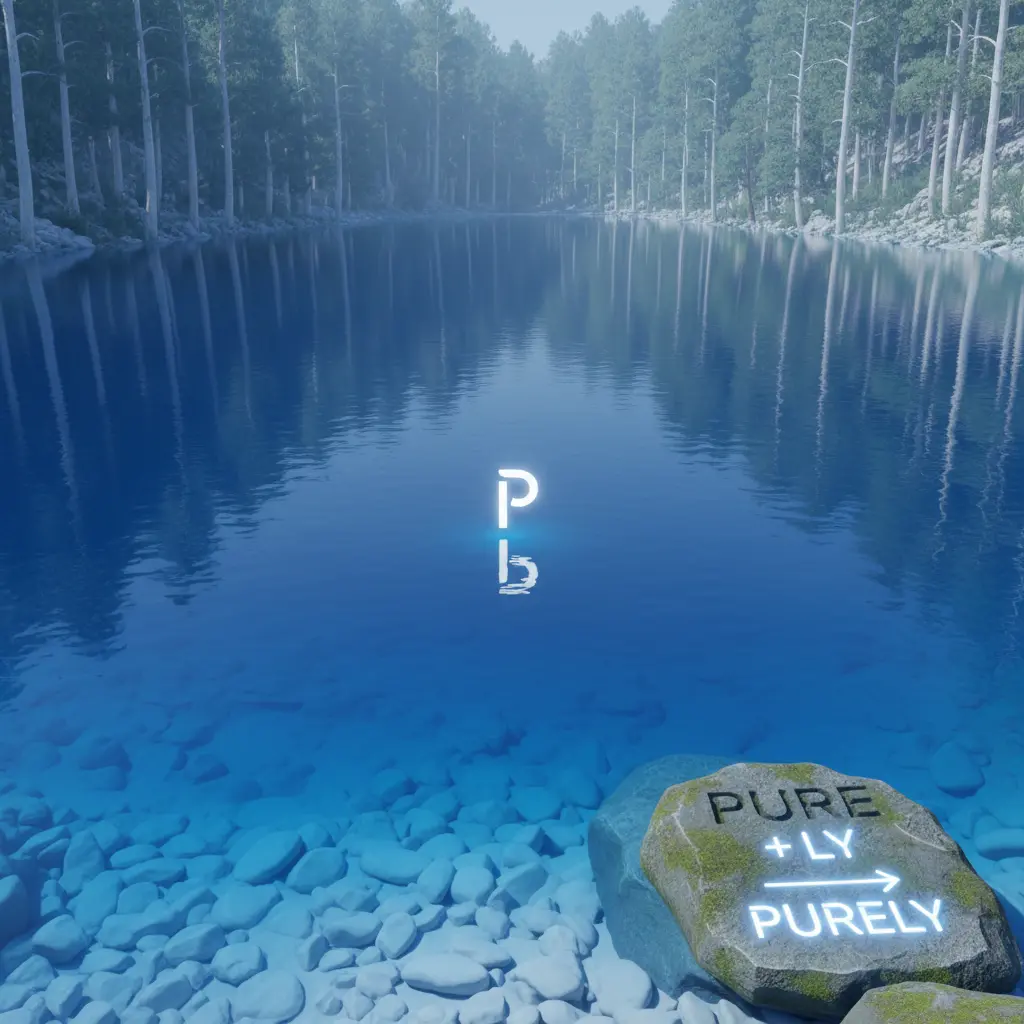
Root decomposition: root = pure + suffix -ly, forming the adverb purely. Historical origin: from Latin purus, via Old French pur, into English as pure; English added -ly to form the adverb purely. Memory image: imagine a crystal-clear, impurity-free lake that reflects only one color, a vivid cue for purity and single focus.
Note 1: These definitions and etymologies are not standard dictionary definitions, but extended explanations provided to help with memorization and understanding of the actual application of words. Through this background information, we strive to make words more vivid and easier to understand, and help you remember their meanings in real life.
Note 2: LexiTalk designs the learning flow around the linguistics principle of “Comprehensible Input.” When learners encounter material that is slightly above their level but still understandable from context, the brain naturally absorbs the language. That’s why we keep every word inside authentic contexts, using examples and associations to help you understand it and use it flexibly.
Read the FAQ explanation of Comprehensible InputI move my eyes along a page, push away distractions, and adjust my focus to one line. The moment I hold that line steady, the attention becomes purely about it. That choice—keeping others out, turning away tangents—feels like control over what counts. In real talk, you use it to stress a single aspect: purely practical, purely technical.
Purely is a versatile adverb used to stress that something is true, correct, or relevant only in a single sense. It often modifies adjectives, participles, or entire noun phrases to mark exclusivity or purity of purpose. In everyday speech, purely is stronger and more formal than simply saying 'only' or 'just'; it signals a clear boundary between what is being described and everything else. You might say, for example, 'The issue is purely cosmetic,' or 'She pursued a purely academic interest.' It can also appear with nouns in phrases like 'a purely fictional world' to emphasize that a claim is not grounded in real facts. Remember the image of purity focusing one color.
English speakers often view purely as a formal mark of focus on one aspect, slightly stronger than 'only'. Learners may default to 'only' in many contexts or reserve purely for written, technical, or academic style, causing overformality in casual speech.
What is the meaning of the word 'purely'?
In which of the following sentences is 'purely' used correctly?
Which word is an antonym of 'purely'?
In what real-life scenario would you use the word 'purely'?
Can you give an example sentence using the word 'purely'?
English Learning Listening Content
Listen NowDownload LexiTalk app for personalized learning experience
Download AppCookies
We use cookies for essential site functions, analytics, and ads. You can accept, reject, or manage preferences. Privacy Policy