reality - Master This Word
Master this word with our 5-step learning method – Learn English in English
Train English Through Brain Routes, Not Translation.
This page helps you stop memorizing isolated translations and start understanding a word through its shared mental image, native-style thinking, and practical training steps.
Master this word with our 5-step learning method – Learn English in English
Example sentences are the start of understanding. Don't rush to memorize. First feel how the word works in a sentence.
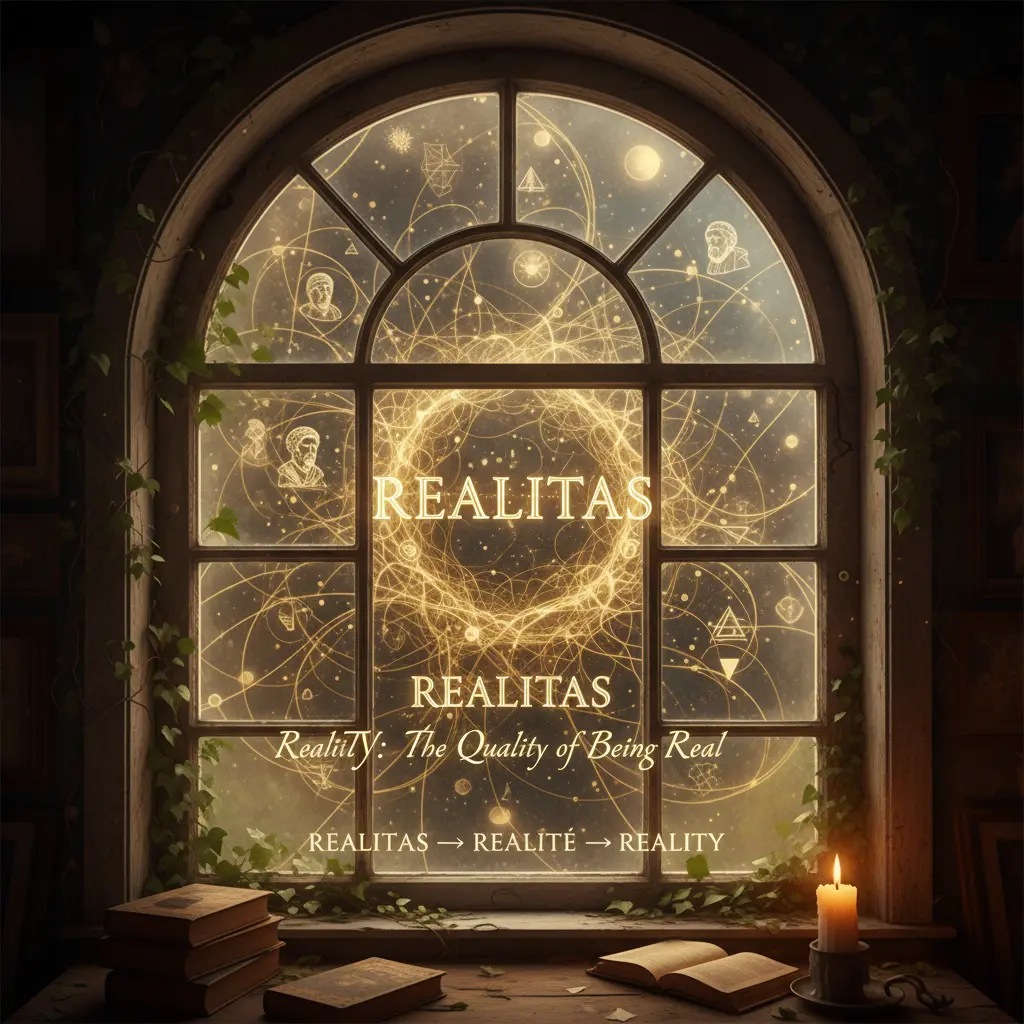
Root decomposition: real + -ity (the quality of being real). Historical origin: Latin 'realitas' → Old French 'realite' → English 'reality'. Memory image: Imagine looking through a window to see the world as it truly is, highlighting the essence of existence and truth.
Note 1: These definitions and etymologies are not standard dictionary definitions, but extended explanations provided to help with memorization and understanding of the actual application of words. Through this background information, we strive to make words more vivid and easier to understand, and help you remember their meanings in real life.
Note 2: LexiTalk designs the learning flow around the linguistics principle of “Comprehensible Input.” When learners encounter material that is slightly above their level but still understandable from context, the brain naturally absorbs the language. That’s why we keep every word inside authentic contexts, using examples and associations to help you understand it and use it flexibly.
Read the FAQ explanation of Comprehensible InputTake a slow breath and move my attention to the window. I turn the blinds a little and watch the light shift across the floor. I adjust my stance as I hold the kettle, trying to keep my balance in the steam. Reality reveals itself as what I actually see, hear, and touch in this moment, not the world I imagined.
Reality is the state of things as they actually exist, not as we imagine or wish them to be. It refers to the world we can observe, measure, and experience directly, from weather to traffic to the consequences of our choices. People often confuse reality with perception or belief, ignoring how biases shape what we think is true. Language helps us talk about reality clearly, for example with phrases like 'in reality' or 'the reality on the ground.' Understanding reality also means distinguishing what is factual from what is speculative, fantasy, or rumor, and recognizing how context can change our sense of reality.
To English speakers, reality is often framed as the objective state of affairs that exists independently of beliefs or desires. It’s contrasted with appearances, opinions, or fantasies, and learners are trained to distinguish facts from interpretations. Common pitfall: treating 'reality' as synonymous with 'the truth' or with what one personally feels is real.
What is the meaning of the word 'reality'?
How is the word 'reality' used in a sentence?
Which of the following words is similar to 'reality'?
Which of the following words is the opposite of 'reality'?
In what real-life context would you encounter 'reality'?
Download LexiTalk app for personalized learning experience
Download AppCookies
We use cookies for essential site functions, analytics, and ads. You can accept, reject, or manage preferences. Privacy Policy