sushi - Master This Word
Master this word with our 5-step learning method – Learn English in English
Train English Through Brain Routes, Not Translation.
This page helps you stop memorizing isolated translations and start understanding a word through its shared mental image, native-style thinking, and practical training steps.
Master this word with our 5-step learning method – Learn English in English
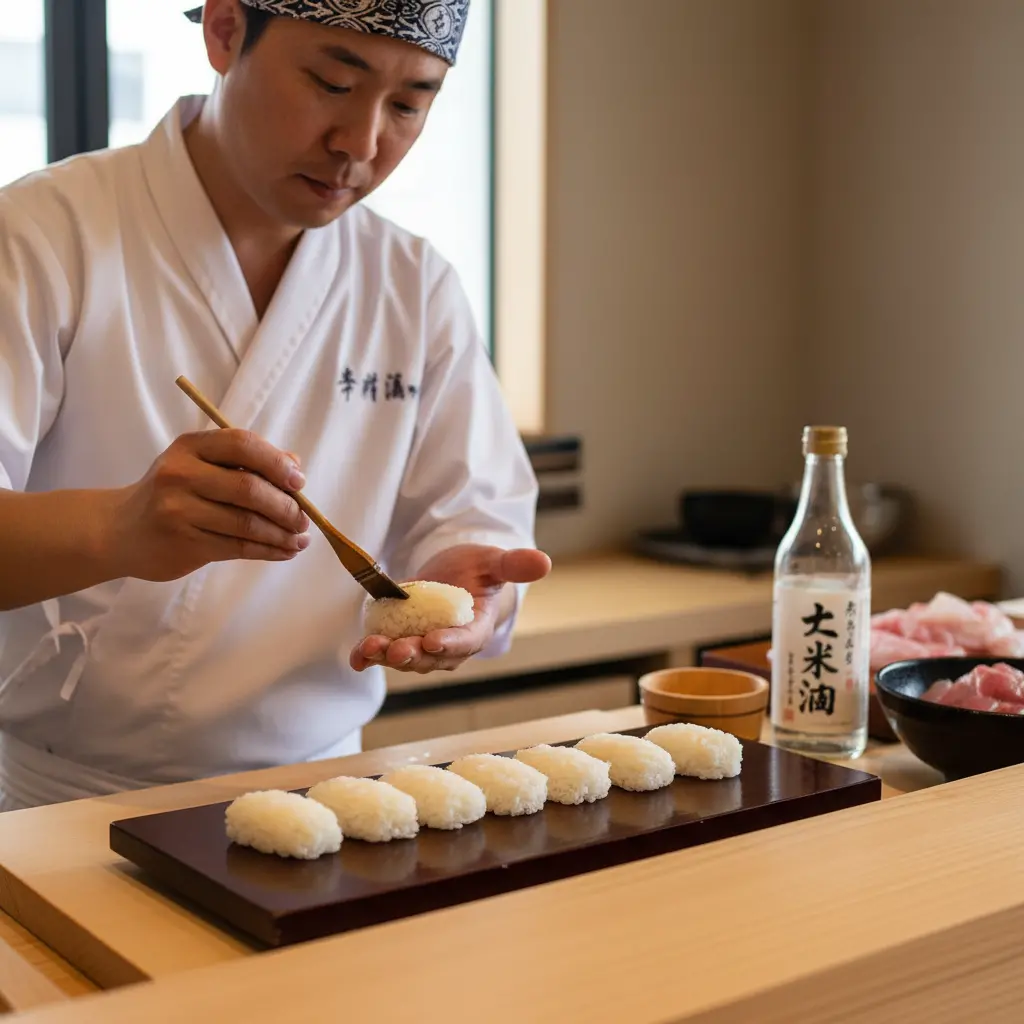
Example sentences are the start of understanding. Don't rush to memorize. First feel how the word works in a sentence.
Root decomposition: su (vinegar) + shi (rice) create a native Japanese compound for sour rice preparation. Historical origin: borrowed directly from Japanese sushi, with no Latin/Greek or Old French intermediary; the modern sense developed in Japan during the Edo period. Memory image: imagine a chef brushing vinegar into steamed rice and shaping it into neat bite-sized pieces.
Note 1: These definitions and etymologies are not standard dictionary definitions, but extended explanations provided to help with memorization and understanding of the actual application of words. Through this background information, we strive to make words more vivid and easier to understand, and help you remember their meanings in real life.
Note 2: LexiTalk designs the learning flow around the linguistics principle of “Comprehensible Input.” When learners encounter material that is slightly above their level but still understandable from context, the brain naturally absorbs the language. That’s why we keep every word inside authentic contexts, using examples and associations to help you understand it and use it flexibly.
Read the FAQ explanation of Comprehensible InputSushi is a classic Japanese dish centered on vinegared rice called sumeshi, which is formed into bite-sized pieces or rolled with various fillings and toppings. It is commonly topped with raw fish such as tuna or salmon, but can also include cooked ingredients, vegetables, or egg. The term sushi refers to the preparation method and the rice rather than the raw fish alone, and the broad category includes nigiri, maki, temaki, and chirashi among others. In many countries, sushi is used to describe the whole dining experience of Japanese cuisine featuring seasoned rice, soy sauce, wasabi, and pickled ginger.
Sushi in English is treated as a broad, cuisine-level term rather than a single dish; learners often default to counting it or imagining it only as fish-on-rice, missing nigiri vs maki distinctions.
What is the definition of the word 'sushi'?
Choose the correct usage of the word 'sushi' in a sentence.
Which word is most similar to 'sushi'?
What is the opposite of 'sushi'?
Can you think of a real-life scenario involving sushi?
Download LexiTalk app for personalized learning experience
Download AppCookies
We use cookies for essential site functions, analytics, and ads. You can accept, reject, or manage preferences. Privacy Policy