thunderstorms - Master This Word
Master this word with our 5-step learning method – Learn English in English
Train English Through Brain Routes, Not Translation.
This page helps you stop memorizing isolated translations and start understanding a word through its shared mental image, native-style thinking, and practical training steps.
Master this word with our 5-step learning method – Learn English in English
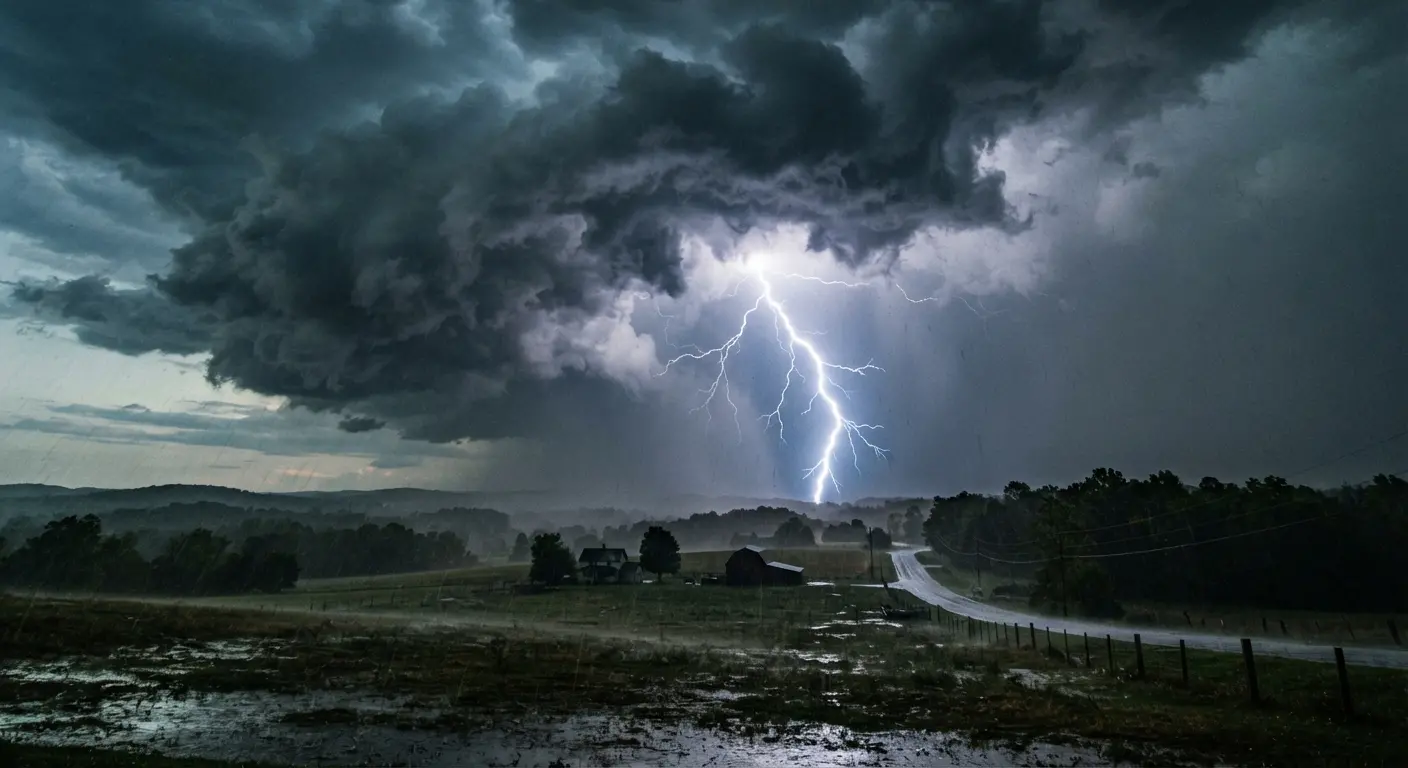
Example sentences are the start of understanding. Don't rush to memorize. First feel how the word works in a sentence.
Root decomposition: thunder + storm — a straightforward compound of thunder (the loud noise) with storm (violent weather). Historical origin: from Old English thunor (thunder) and storm; the combination appeared in Middle English to form thunderstorm. Memory image: imagine a dark sky, thunder booming, heavy rain, and a bright lightning bolt tearing across the clouds.
Note 1: These definitions and etymologies are not standard dictionary definitions, but extended explanations provided to help with memorization and understanding of the actual application of words. Through this background information, we strive to make words more vivid and easier to understand, and help you remember their meanings in real life.
Note 2: LexiTalk designs the learning flow around the linguistics principle of “Comprehensible Input.” When learners encounter material that is slightly above their level but still understandable from context, the brain naturally absorbs the language. That’s why we keep every word inside authentic contexts, using examples and associations to help you understand it and use it flexibly.
Read the FAQ explanation of Comprehensible InputThunderstorm is a weather term for a storm during which thunder is heard, typically accompanied by rain, lightning, or hail. In everyday use it describes a specific, sometimes dramatic weather event with strong winds and low visibility. The word also serves as a metaphor for intense disruption or activity, for example a thunderstorm of protests, criticism, or ideas crowding a debate. In meteorology, forecasters issue warnings for severe thunderstorms, characterized by powerful updrafts, gusty winds, and hazardous conditions. Learners should note the collocations: thunderstorm warning, severe thunderstorm, and be careful not to confuse with simple rainstorm or snowstorm.
Thunderstorm is treated as a concrete event in English, so learners often overdo the metaphor or use thunderstorm where storm or upheaval would be more natural. Focus on weather-specific collocations (severe thunderstorm, thunderstorm warning) and reserve figurative uses for dramatic contexts.
Download LexiTalk app for personalized learning experience
Download AppCookies
We use cookies for essential site functions, analytics, and ads. You can accept, reject, or manage preferences. Privacy Policy