
unspeakable - Master This Word
Master this word with our 5-step learning method – Learn English in English
Train English Through Brain Routes, Not Translation.
This page helps you stop memorizing isolated translations and start understanding a word through its shared mental image, native-style thinking, and practical training steps.
Master this word with our 5-step learning method – Learn English in English
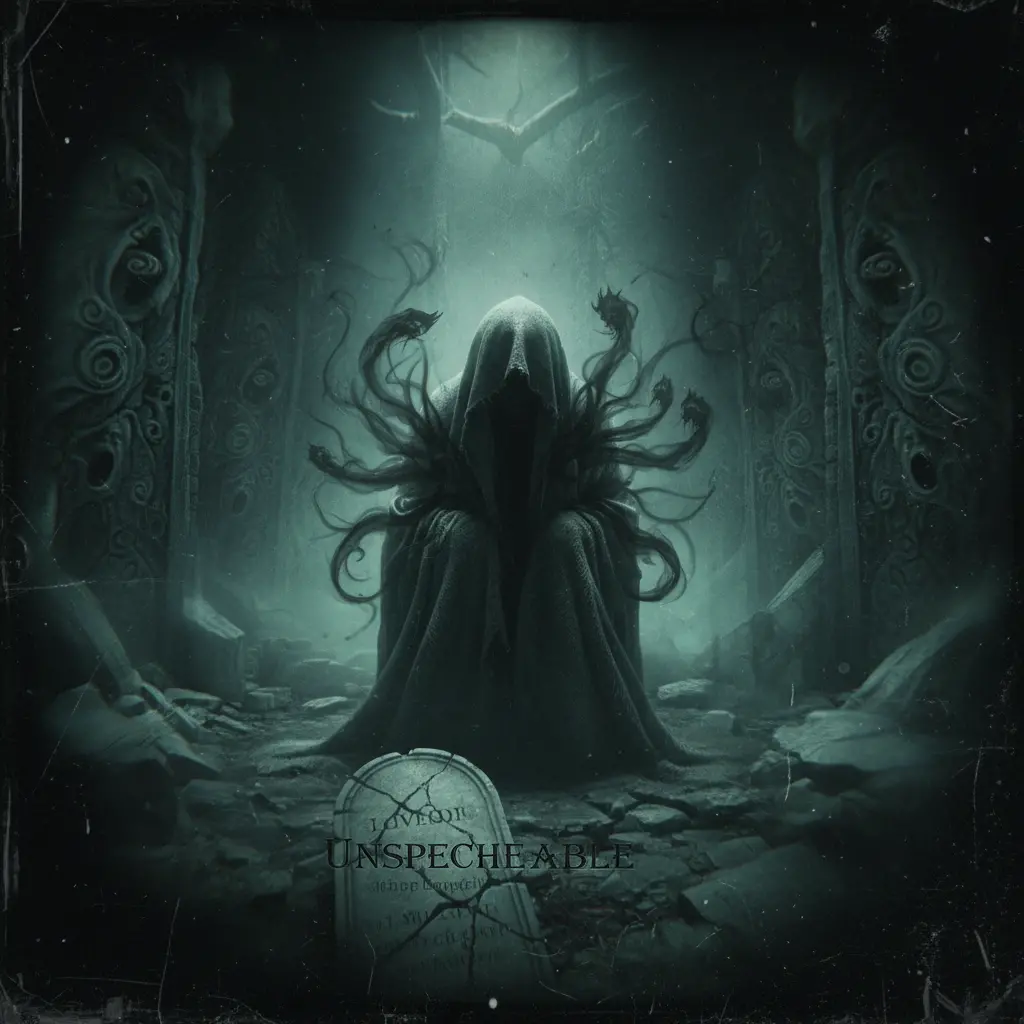
Example sentences are the start of understanding. Don't rush to memorize. First feel how the word works in a sentence.
The word is formed from the prefix 'un-' meaning 'not', and 'speak' plus the suffix '-able', implying 'not able to be spoken of'. The historical origin traces from Old French 'unspecheable', derived from Latin 'loosely scalable'. Picture a terrible secret that's so horrific it can't be shared, representing the overwhelming nature of 'unspeakable'.
Note 1: These definitions and etymologies are not standard dictionary definitions, but extended explanations provided to help with memorization and understanding of the actual application of words. Through this background information, we strive to make words more vivid and easier to understand, and help you remember their meanings in real life.
Note 2: LexiTalk designs the learning flow around the linguistics principle of “Comprehensible Input.” When learners encounter material that is slightly above their level but still understandable from context, the brain naturally absorbs the language. That’s why we keep every word inside authentic contexts, using examples and associations to help you understand it and use it flexibly.
Read the FAQ explanation of Comprehensible InputUnspeakable describes something so horrible, shocking, or extreme that it cannot be spoken aloud or described in ordinary words. It signals a level of horror that goes beyond everyday vocabulary, often used for acts, events, or secrets that defy comfortable language. In practice you might say 'an unspeakable crime' or 'the unspeakable horror that followed'. The term emphasizes emotional impact and gravity more than merely 'terrible' or 'horrible'. Note that it can apply to experiences that leave someone speechless, or to things so taboo that polite speech avoids naming them directly.
English speakers often reserve unspeakable for extreme events and expect a formal tone; learners should note its strong emotional load and avoid casual use.
What is the meaning of 'unspeakable'?
Which sentence uses 'unspeakable' correctly?
Which word is most similar to 'unspeakable'?
What is the opposite of 'unspeakable'?
Can you provide a real-life context where something could be described as 'unspeakable'?
Download LexiTalk app for personalized learning experience
Download AppCookies
We use cookies for essential site functions, analytics, and ads. You can accept, reject, or manage preferences. Privacy Policy