
LexiTalk LexiTalk

contenu decoute anglais professionnel : {0}

Sur LexiTalk, vous découvrez un anglais naturel grâce à des contenus d'ecoute en contexte réel. En écoutant, reformulant et réutilisant le même contexte, vous créez des réflexes d’écoute et de parole.

Écouter et Parler Jouer au mini-jeu de mots 📱 Télécharger l'app Pourquoi apprendre avec les schémas mentaux plutôt qu’avec la traduction ?
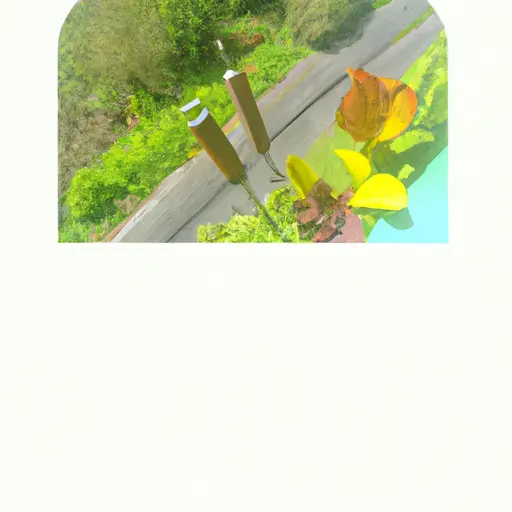
Exploring Botanical Art - Advanced English Learning Podcast - LexiTalk
🔥 Advanced · 2025.10.01 · 1m49s

🎧 Pratique audio anglais avancé

0:00 / 0:00
Méthode d’écoute en cinq passes

Transformer un contenu d’écoute en input d’anglais réutilisable

Ne vous arrêtez pas à une seule écoute. Découpez le même épisode en cinq passes : idée générale, aide linguistique, shadowing, dictée, puis une dernière écoute sans sous-titres.

Passe 1

Écoute à l’aveugle

Comprenez l’idée générale, le thème et les informations principales sans sous-titres.
Passe 2

Sous-titres anglais

Clarifiez les mots inconnus et les phrases difficiles. Utilisez un dictionnaire et de courtes notes si besoin.

Passe 3

Shadowing

Répétez phrase par phrase et imitez la prononciation, le rythme, l’accentuation et l’intonation.

Passe 4

Dictée

Écrivez quelques phrases clés à partir de ce que vous entendez pour travailler la forme et la structure.

Passe 5

Réécoute sans sous-titres

Réécoutez sans support textuel et observez ce qui est maintenant plus simple et plus clair.

Après l’entraînement

Partager et reformuler

Partagez vos notes, de nouveaux mots ou une idée utile, puis racontez l’épisode avec vos propres mots.

Étape suivante

De l’intensif à l’extensif

Réutilisez les épisodes étudiés en profondeur comme écoute de fond et augmentez votre volume avec du contenu familier.

Passe 1Passe 2Passe 3Passe 4Passe 5

📝 Dialogue anglais avancé

Today, we're going to explore the fascinating world of botanical art. This is a genre that beautifully merges science and art. Botanical illustrations are often meticulously detailed, showcasing plant life in ways that serve both aesthetic and educational purposes. One of the most intriguing aspects of botanical art is how it has evolved over centuries. Artists used to rely on traditional techniques that often felt rigid and formal. However, modern botanical artists now embrace their creativity and develop brand-new styles that reflect contemporary tastes. Interestingly, some of today's best-known botanical artists have backgrounds in scientific illustration. They strive to present plants in their natural environments, capturing not just their appearances but their essence, too. An example of this is how artists render flowers. They often feel a deep connection to their subjects, which allows for a greater understanding of the flora they depict. In recent years, there's been a resurgence of interest in this art form. People appreciate the beauty of nature, and botanical illustrations have found a remarkable place in galleries and exhibitions. They evoke emotions and draw viewers into the wonders of the natural world. As we delve deeper into this topic, think about how different artists use various mediums, from watercolor to digital formats, to represent their botanical subjects. Each approach brings a unique perspective to the field.

📝 📚 Questions de pratique avancées

1

What is the primary focus of the talk?

2

What do contemporary botanical artists emphasize in their work?

3

According to the talk, what has contributed to the renewed interest in botanical art?

4

In the context of the passage, what does 'brand-new' best suggest?

5

What should listeners consider as they delve deeper into botanical art?

Transformer l'Écoute en Parole

Obtenez des commentaires instantanés et une pratique quotidienne dans l'app LexiTalk.

Télécharger l'App

Cookies

Nous utilisons des cookies pour les fonctions essentielles, l’analyse et la publicité. Vous pouvez accepter, refuser ou gérer vos préférences. Politique de confidentialité

Support