
LexiTalk LexiTalk

noi dung luyen nghe tiếng Anh chuyên nghiệp: Nationalism in Academia: A Professor's Complex Journey

Trong LexiTalk, bạn tiếp xúc với tiếng Anh tự nhiên qua noi dung luyen nghe trong ngữ cảnh thực. Khi liên tục nghe, kể lại và dùng cùng một ngữ cảnh, phản xạ nghe–nói dần hình thành.

Nghe và Nói Choi mini game tu vung 📱 Tải ứng dụng Vì sao nên học bằng brain routes thay vì dịch?
Nationalism in Academia: A Professor's Complex Journey - Advanced English Learning Podcast - LexiTalk
🔥 Advanced · 2025.07.29 · 3m19s

🎧 Luyện âm thanh tiếng Anh nâng cao

0:00 / 0:00
Phương pháp nghe 5 lượt

Biến một nội dung luyện nghe thành đầu vào tiếng Anh có thể tái sử dụng

Đừng dừng lại ở một lần nghe. Hãy chia cùng một tập thành 5 lượt: trước hết nắm ý chính, sau đó hỗ trợ ngôn ngữ, shadowing, chép chính tả, và cuối cùng nghe lại không phụ đề.

Lượt 1

Nghe không phụ đề

Hiểu ý lớn, chủ đề và thông tin chính mà không cần phụ đề.
Lượt 2

Phụ đề tiếng Anh

Làm rõ từ mới và câu khó. Dùng từ điển và ghi chú ngắn nếu cần.

Lượt 3

Shadowing

Lặp lại từng câu và bắt chước phát âm, nhịp điệu, trọng âm và ngữ điệu.

Lượt 4

Chép chính tả

Viết lại vài câu quan trọng từ những gì bạn nghe để rèn hình thức và cấu trúc.

Lượt 5

Nghe lại không phụ đề

Nghe lại mà không có hỗ trợ văn bản và để ý điều gì giờ đã rõ hơn.

Sau khi luyện

Chia sẻ và kể lại

Chia sẻ ghi chú, từ mới hoặc một khái niệm hữu ích, rồi kể lại tập bằng chính lời của bạn.

Bước tiếp theo

Từ nghe sâu sang nghe rộng

Tái sử dụng các tập đã nghe sâu làm tài liệu nghe nền và tăng khối lượng bằng nội dung quen thuộc.

Lượt 1Lượt 2Lượt 3Lượt 4Lượt 5

📝 Hội thoại tiếng Anh nâng cao

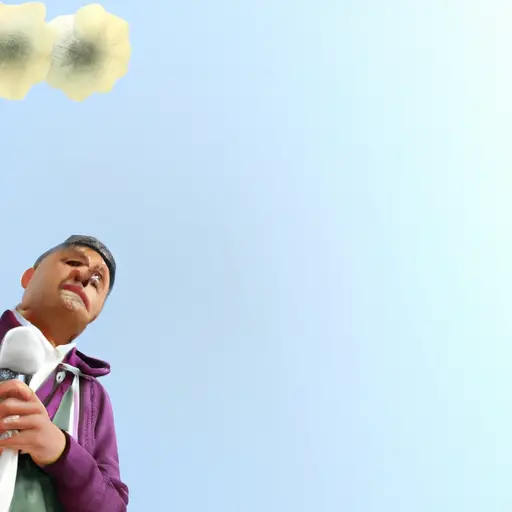
Today, lets dive into a story that perfectly blends academia with ideas of nationalism, through the eyes of an unlikely protagonist—a college professor. Now, picture this: a small town in the heartland of a country often caught in the throes of political discourse. Our professor, let's call him Dr. Martin, a respected intellectual in his field, never pictured himself at the center of a heated nationalist debate. Dr. Martin had spent years dedicated to the pursuit of knowledge, his lectures filled with insights from history, philosophy, and culture. He considered himself apolitical, his passion purely rooted in educating his students with critical thinking skills. But as nationalistic sentiment swelled around him, he found himself increasingly drawn into discussions he never anticipated leading. The crux of his transformation began unexpectedly during a campus event. A renowned speaker, known for their nationalistic rhetoric and impressive oration, was invited to the university. Dr. Martin, curious but cautiously skeptical, attended the talk, thinking it might offer students a broader understanding of current socio-political trends. The speaker was captivating, weaving stories of national pride with historical contexts that resonated with the audience, particularly the students yearning for a sense of identity in a rapidly globalizing world. At first, Dr. Martin listened passively. But something happened that day. As the speaker’s words echoed through the auditorium, he noticed the growing fervor among the students. Their energy was contagious. It struck a chord in him, not because he agreed with all that was said, but because it highlighted a gap he felt in his teaching—connecting abstract knowledge to the palpable, impassioned calls for national unity. That night, Dr. Martin reflected deeply. It dawned on him that nationalism, in its myriad forms, carried both constructive and destructive potentials. His role, he realized, wasn't to shun these discussions but to guide them, to help his students dissect and critically analyze these movements. Inspired, he modified his curriculum to include debates on nationalism's history, its rise in the modern world, and its personal impact on identity and culture. Dr. Martin’s classroom soon became a forum of diverse thoughts. Students from various backgrounds engaged in vigorous debate, providing personal anecdotes intertwined with academic theories. These discussions were not about deciding right or wrong but about understanding the spectrum of views and the reasons behind them. Through this journey, Dr. Martin embraced a more nuanced perspective of nationalism. He learned that teaching isn't just about imparting knowledge but about fostering dialogue and encouraging students to explore and question the world around them. And perhaps, it was in this process that he discovered a form of nationalism not bound by borders but by a shared pursuit of truth and understanding. So, what do you think? How do we reconcile academic freedom with national identity in today’s nuanced global landscape?

Chuyển Nghe thành Nói

Nhận phản hồi tức thì và luyện tập hàng ngày trong app LexiTalk.

Tải xuống App

Cookie

Chúng tôi sử dụng cookie cho chức năng thiết yếu, phân tích và quảng cáo. Bạn có thể chấp nhận, từ chối hoặc quản lý tuỳ chọn. Chính sách bảo mật

Hỗ trợ