
animation - Master This Word
Master this word with our 5-step learning method – Learn English in English
Train English Through Brain Routes, Not Translation.
This page helps you stop memorizing isolated translations and start understanding a word through its shared mental image, native-style thinking, and practical training steps.
Master this word with our 5-step learning method – Learn English in English
Example sentences are the start of understanding. Don't rush to memorize. First feel how the word works in a sentence.
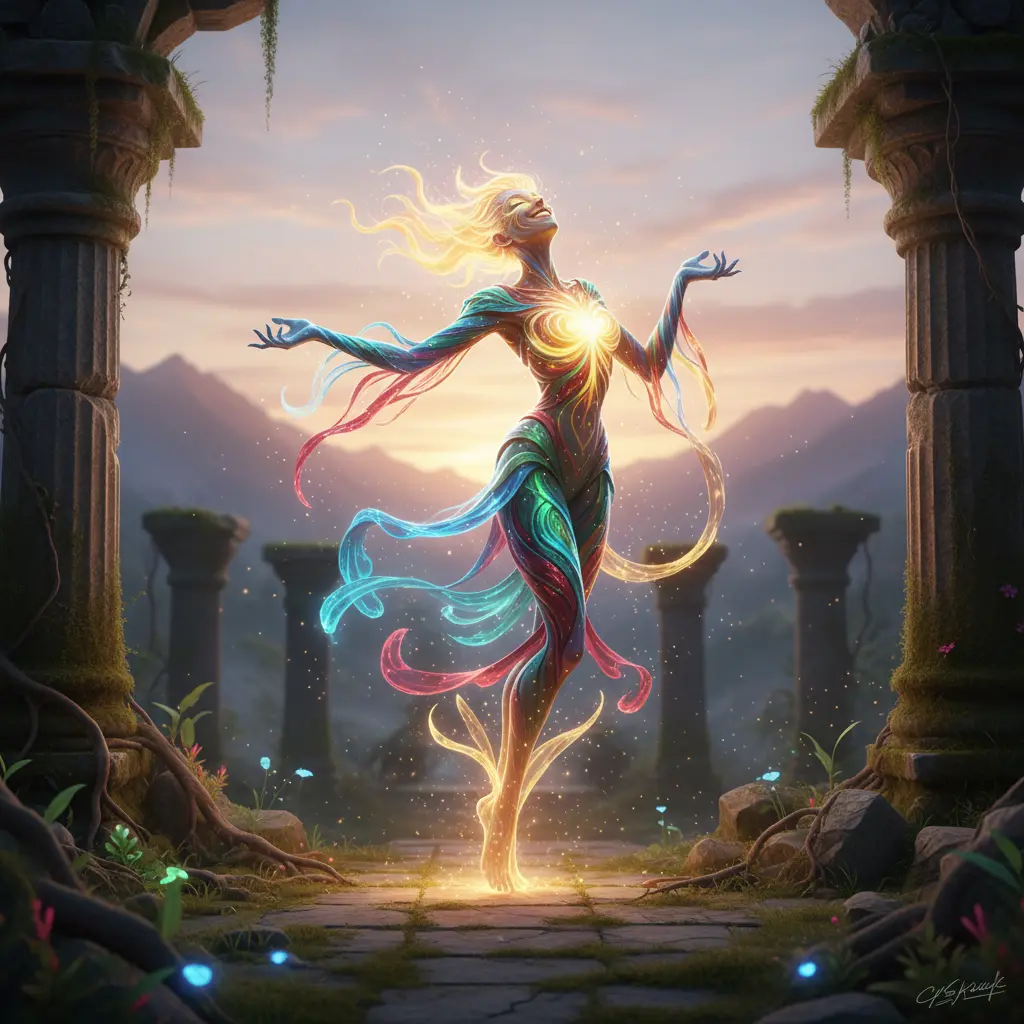
anim- (life) + -ation (process of). Latin 'anima' meaning 'breath or soul' evolved into Old French 'animacion' before reaching English. Picture a character coming to life with a vibrant glow and joyous movement.
Note 1: These definitions and etymologies are not standard dictionary definitions, but extended explanations provided to help with memorization and understanding of the actual application of words. Through this background information, we strive to make words more vivid and easier to understand, and help you remember their meanings in real life.
Note 2: LexiTalk designs the learning flow around the linguistics principle of “Comprehensible Input.” When learners encounter material that is slightly above their level but still understandable from context, the brain naturally absorbs the language. That’s why we keep every word inside authentic contexts, using examples and associations to help you understand it and use it flexibly.
Read the FAQ explanation of Comprehensible InputI place my hand on the desk and push a new sketch forward, watching the tiny line shift on the page. I move my eyes between frames, adjust the light, and turn the page again and again. With each tiny change I feel the scene waking up, the sequence pulling itself into motion. The effort to hold steady, to set the timing just right, makes the whole thing feel alive.
Animation is the process of making something appear to move on screen, from traditional hand-drawn films to modern computer graphics. It covers techniques where a sequence of drawings or photographs is played rapidly to create the illusion of movement, such as cel animation or 3D CGI. The word also describes a lively quality or energy, as in a performance with spirited, animated dialogue. The etymology comes from anim- meaning life or breath and -ation indicating a process; historically Latin anima meant breath or soul, which later became animation in Old French before entering English. In everyday English, animation is used both for the art form and for describing vibrancy in people or scenes.
Explain to English learners that animation can mean both the art form and the sense of liveliness; learners often think it only refers to moving pictures.
What is the meaning of 'animation'?
In which sentence is 'animation' used correctly?
Which word is a synonym of 'animation'?
What is the opposite of 'animation'?
How does 'animation' apply in real-world situations?
Download LexiTalk app for personalized learning experience
Download AppCookies
We use cookies for essential site functions, analytics, and ads. You can accept, reject, or manage preferences. Privacy Policy