dusk - Master This Word
Master this word with our 5-step learning method – Learn English in English
Train English Through Brain Routes, Not Translation.
This page helps you stop memorizing isolated translations and start understanding a word through its shared mental image, native-style thinking, and practical training steps.
Master this word with our 5-step learning method – Learn English in English
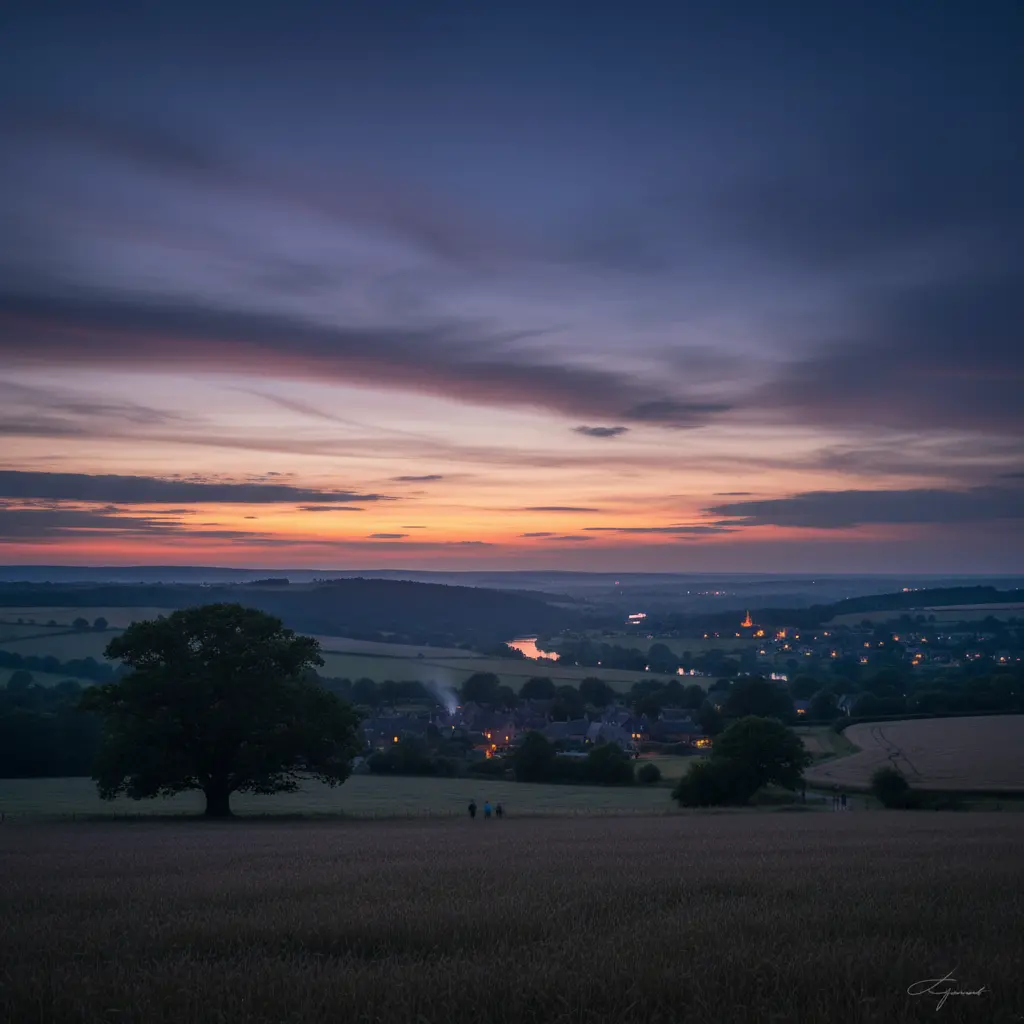
Example sentences are the start of understanding. Don't rush to memorize. First feel how the word works in a sentence.
dusk is derived from the Old Norse word 'dusk', meaning 'to darken'. The term evolved through Middle English and became associated with twilight. Picture a soft blanket of twilight enveloping the sky as the day turns to night, signaling the end of daily activities and the onset of rest.
Note 1: These definitions and etymologies are not standard dictionary definitions, but extended explanations provided to help with memorization and understanding of the actual application of words. Through this background information, we strive to make words more vivid and easier to understand, and help you remember their meanings in real life.
Note 2: LexiTalk designs the learning flow around the linguistics principle of “Comprehensible Input.” When learners encounter material that is slightly above their level but still understandable from context, the brain naturally absorbs the language. That’s why we keep every word inside authentic contexts, using examples and associations to help you understand it and use it flexibly.
Read the FAQ explanation of Comprehensible InputDusk is the period of twilight when daylight fades and the sky shifts toward darkness. It sits between late afternoon and evening, when the sun has dipped below the horizon but there is still a soft glow. People might notice dimming streets, crickets starting their chorus, and a quiet mood that invites reflection or rest. The word can also describe a state of partial darkness, even indoors, when lights are low or when weather or shade reduces visibility. In writing, dusk conveys a gentle transition rather than the abrupt end of day, often carrying a sense of calm, memory, or romance.
Dusk in English centers on a defined transitional period with a gentle mood; learners tend to mix it with sunset or night. It’s common to hear 'at dusk' to describe outdoor scenes or events; indoor dim lighting can also be described as dusk in a literary sense.
What is the meaning of 'dusk'?
In which sentence is 'dusk' used correctly?
Which of the following is a synonym for 'dusk'?
How does 'dusk' apply in real-world situations?
Can you think of a sentence using the word 'dusk'?
Download LexiTalk app for personalized learning experience
Download AppCookies
We use cookies for essential site functions, analytics, and ads. You can accept, reject, or manage preferences. Privacy Policy