global - Master This Word
Master this word with our 5-step learning method – Learn English in English
Train English Through Brain Routes, Not Translation.
This page helps you stop memorizing isolated translations and start understanding a word through its shared mental image, native-style thinking, and practical training steps.
Master this word with our 5-step learning method – Learn English in English
Example sentences are the start of understanding. Don't rush to memorize. First feel how the word works in a sentence.
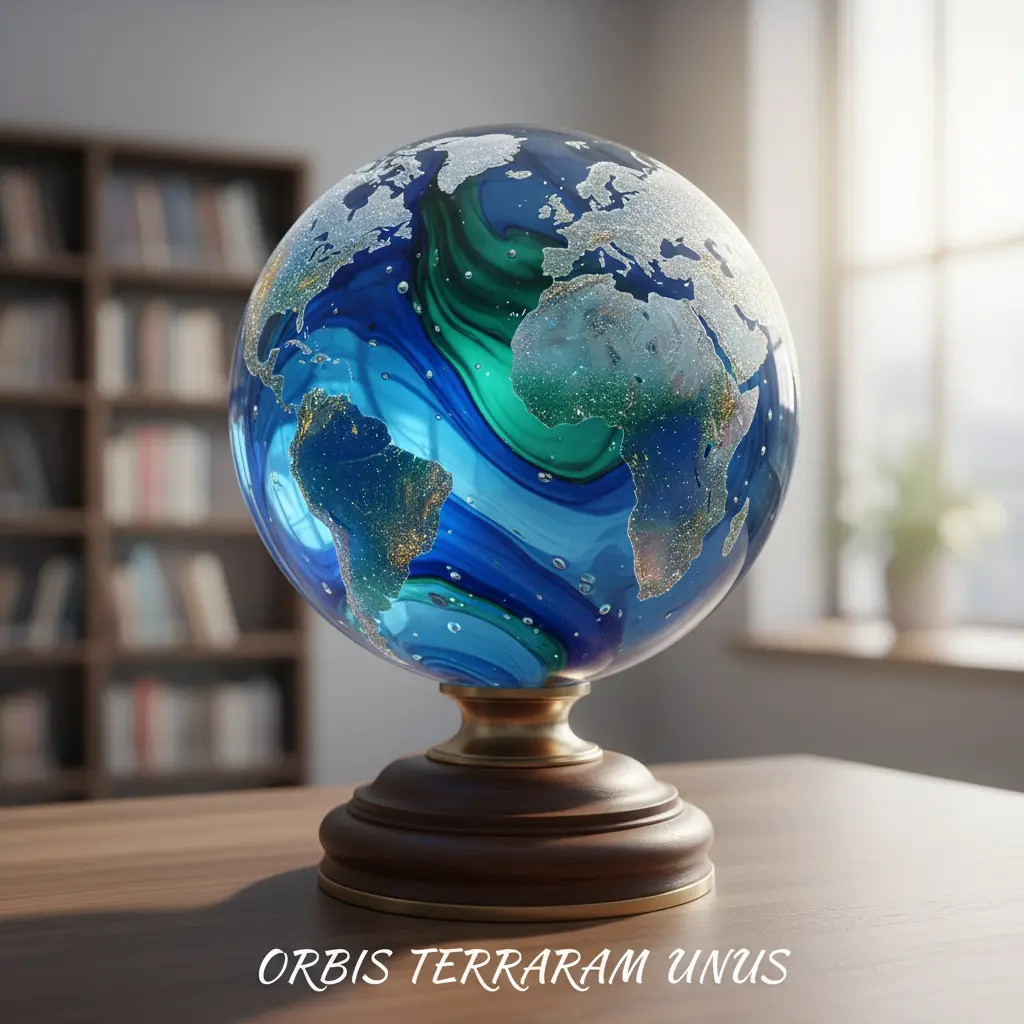
global = globe (sphere) + -al (relating to); Latin → Old French → English. Picture a globe that shows every country and ocean, representing a world without borders.
Note 1: These definitions and etymologies are not standard dictionary definitions, but extended explanations provided to help with memorization and understanding of the actual application of words. Through this background information, we strive to make words more vivid and easier to understand, and help you remember their meanings in real life.
Note 2: LexiTalk designs the learning flow around the linguistics principle of “Comprehensible Input.” When learners encounter material that is slightly above their level but still understandable from context, the brain naturally absorbs the language. That’s why we keep every word inside authentic contexts, using examples and associations to help you understand it and use it flexibly.
Read the FAQ explanation of Comprehensible InputI push the chair back and let my eyes move from one corner of the map to a broader view. I turn the wheel on the mouse and the view expands to cover the world. I adjust my focus, keeping the big picture in sight as details settle into place. The sense of global grows as more people, places, and colors enter the frame.
Global is a flexible adjective describing something that relates to the whole world or that has a worldwide or all encompassing scope; it can modify nouns like issues, markets, or health to mean you are looking at worldwide reach or a comprehensive perspective. It often conveys interconnection and unity across regions, more than simply being present in many countries. Learners often confuse global with international or worldwide and choose the wrong nuance in business or policy contexts. The word comes from globe and the suffix al, and the mental image is a single globe showing every country and ocean, underscoring a borderless world.
Global frames the world as a single, interconnected system; learners often mistake it for simply being widely distributed across countries, then apply it to local programs. Focus on global as a holistic scale and interconnection, not just geography. When translating, think of global as all encompassing rather than just international participation.
What is the meaning of the word 'global'?
Which of the following sentences use 'global' correctly?
Which word is most similar to 'global'?
What is the opposite of the word 'global'?
Can you give an example of a real-life scenario of 'global'?
English Learning Listening Content
Listen NowDownload LexiTalk app for personalized learning experience
Download AppCookies
We use cookies for essential site functions, analytics, and ads. You can accept, reject, or manage preferences. Privacy Policy