horror - Master This Word
Master this word with our 5-step learning method – Learn English in English
Train English Through Brain Routes, Not Translation.
This page helps you stop memorizing isolated translations and start understanding a word through its shared mental image, native-style thinking, and practical training steps.
Master this word with our 5-step learning method – Learn English in English
Example sentences are the start of understanding. Don't rush to memorize. First feel how the word works in a sentence.
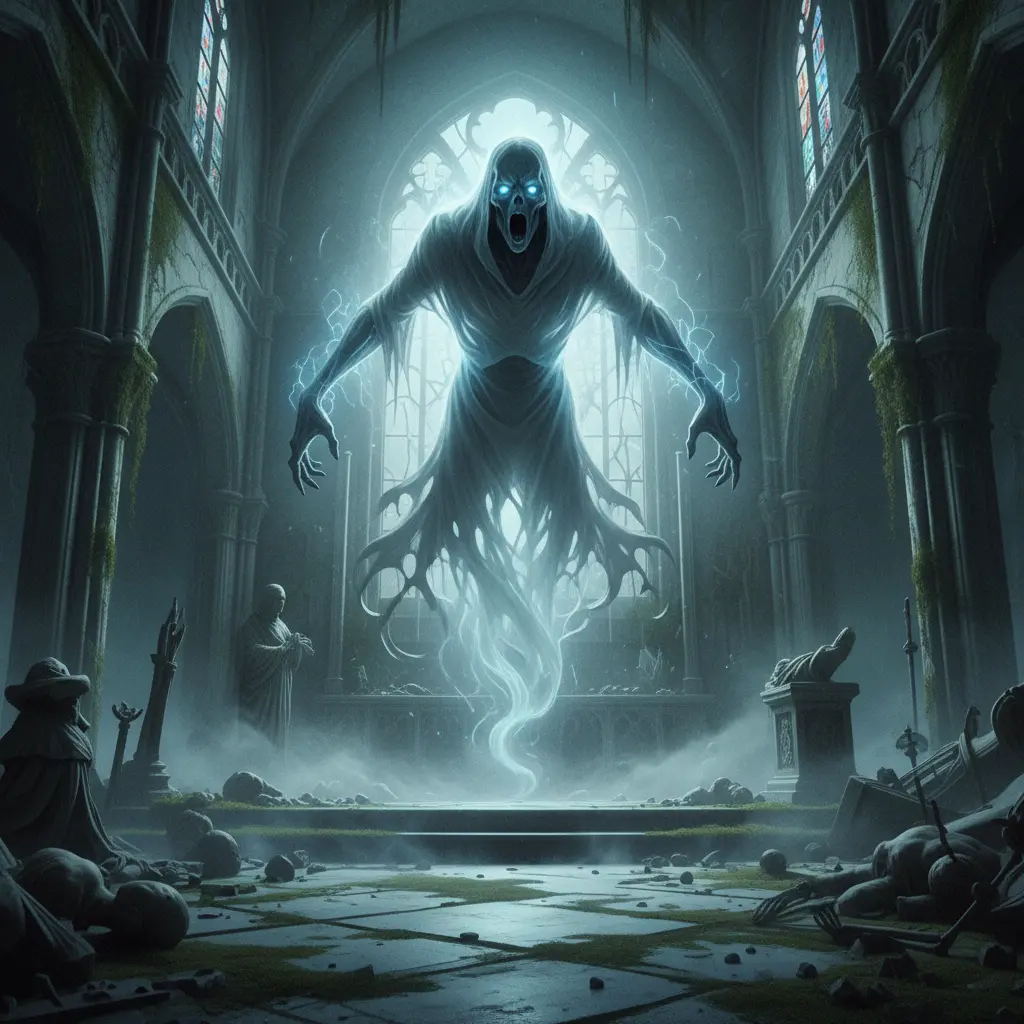
horror = horrere (to shudder) + -or (noun suffix); Latin → Old French → English. Visualize a spine-chilling ghost that makes you shudder.
Note 1: These definitions and etymologies are not standard dictionary definitions, but extended explanations provided to help with memorization and understanding of the actual application of words. Through this background information, we strive to make words more vivid and easier to understand, and help you remember their meanings in real life.
Note 2: LexiTalk designs the learning flow around the linguistics principle of “Comprehensible Input.” When learners encounter material that is slightly above their level but still understandable from context, the brain naturally absorbs the language. That’s why we keep every word inside authentic contexts, using examples and associations to help you understand it and use it flexibly.
Read the FAQ explanation of Comprehensible InputFootsteps slow, I move into the dim hall and push the door a crack to see what’s there. The light flickers and the shadow shifts, and I hold my breath as my heart pounds. A sudden draft changes the air, and I adjust my pace, deciding whether to turn back or press on. That prick of dread becomes a cue I recognize from horror in books or films, a mood I can keep with me when the room changes with the story.
Horror is a strong feeling of fear or dread in response to something frightening, disturbing, or grotesque. It can describe a momentary reaction, or a deeper emotion that lingers after a shocking image or event. The word also names a genre of literature, film, and media whose main aim is to scare, unsettle, or thrill the audience. In everyday use, you might say a scene is horrifying or that you experienced horror at a terrifying accident; you would rarely call ordinary fear horror. Etymologically, horror comes from Latin horrere (to shudder) via Old French into English, and a vivid image like a spine-chilling ghost helps illustrate the idea.
Explain to an English speaker (meta, keep short) by noting horror works both as a felt emotion and a narrative category; English often reserves 'horror' for strong impact, while 'scary' is more everyday.
In which genre of movies or literature would you typically find the theme of 'horror'?
Which word is similar to 'horror'?
What could be seen as the opposite of 'horror'?
How does the element of 'horror' add suspense and tension to a story?
Download LexiTalk app for personalized learning experience
Download AppCookies
We use cookies for essential site functions, analytics, and ads. You can accept, reject, or manage preferences. Privacy Policy