
monster - Master This Word
Master this word with our 5-step learning method – Learn English in English
Train English Through Brain Routes, Not Translation.
This page helps you stop memorizing isolated translations and start understanding a word through its shared mental image, native-style thinking, and practical training steps.
Master this word with our 5-step learning method – Learn English in English
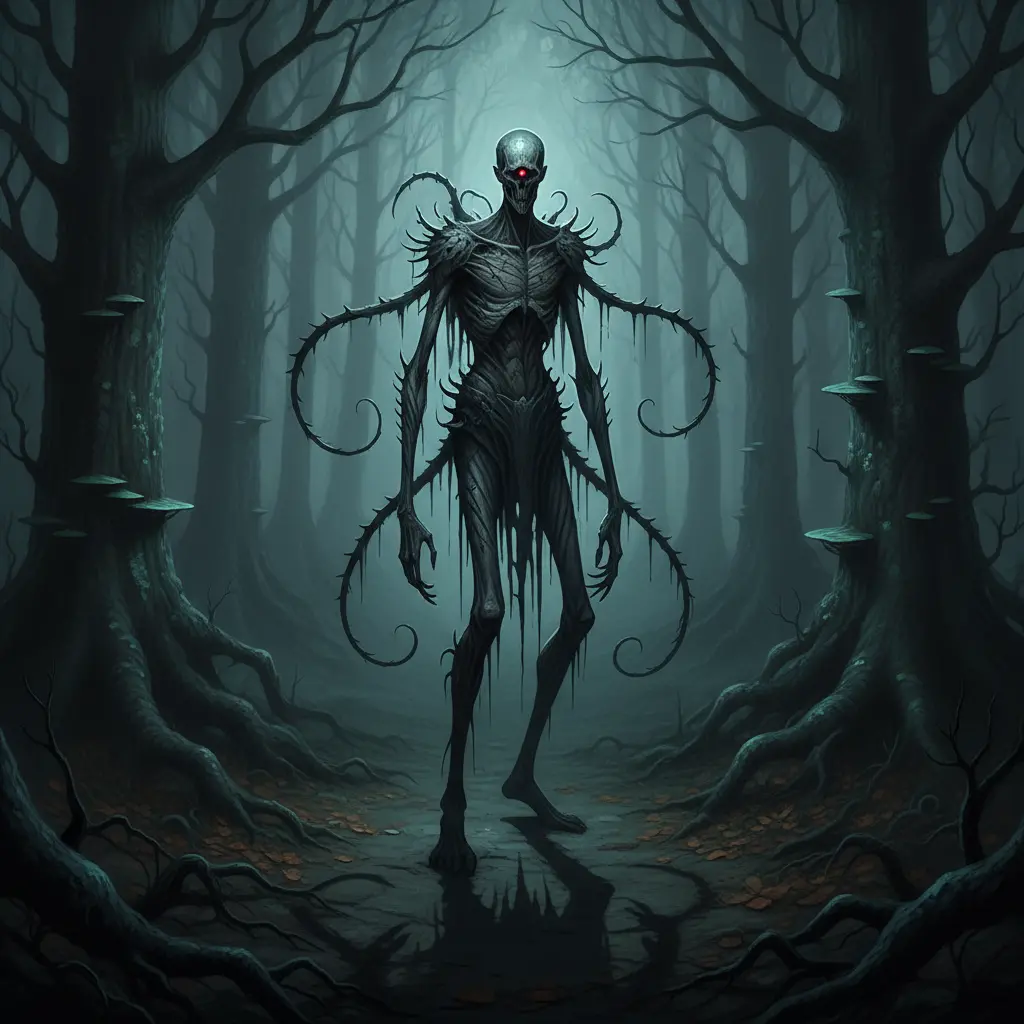
Example sentences are the start of understanding. Don't rush to memorize. First feel how the word works in a sentence.
monster = mono- (single) + -ster (agent suffix). Historical origin: Latin 'monstrum' → Old French 'monstre' → English. Memory image: Imagine a chilling figure that stands alone in the dark, evoking fear with its solitary presence. This sense of isolation is key to the concept of monster.
Note 1: These definitions and etymologies are not standard dictionary definitions, but extended explanations provided to help with memorization and understanding of the actual application of words. Through this background information, we strive to make words more vivid and easier to understand, and help you remember their meanings in real life.
Note 2: LexiTalk designs the learning flow around the linguistics principle of “Comprehensible Input.” When learners encounter material that is slightly above their level but still understandable from context, the brain naturally absorbs the language. That’s why we keep every word inside authentic contexts, using examples and associations to help you understand it and use it flexibly.
Read the FAQ explanation of Comprehensible InputWhen I reach out and push the door, it creaks open. A heavy shadow steps in, and I move back, hands steadied on the frame. I set my jaw, shift my weight, and keep my eyes on the shape that grows bigger in the dim hall. The word monster begins to feel like a night I cannot explain, not just a creature but the way fear can turn someone cruel or a moment into something truly bad.
Monster is a versatile English noun used to describe three related ideas. First, a large, frightening creature, often in myths, fairy tales, or horror stories, capable of causing fear or harm. Second, a morally monstrous person, someone who behaves with extreme cruelty or lacks empathy. Third, something very bad or unpleasant in a non-literal sense, such as a monstrous mistake or a monster of a problem, indicating scale or severity. The word carries strong emotional impact and can be used humorously in casual speech as well as in formal critique. The memory image is a solitary, chilling figure or an overwhelming difficulty that stands out from the ordinary.
For English speakers, monster tends to carry three senses simultaneously: a real, frightening creature; a morally bad person; and a troublesome thing, with strong emotional impact that can be playful or severe depending on tone and context.
What is the meaning of the word 'monster'?
In which sentence is 'monster' used correctly?
Which word is most similar to 'monster'?
What is the opposite of 'monster'?
In which situation would you most likely encounter a 'monster'?
Download LexiTalk app for personalized learning experience
Download AppCookies
We use cookies for essential site functions, analytics, and ads. You can accept, reject, or manage preferences. Privacy Policy