
nickels - Master This Word
Master this word with our 5-step learning method – Learn English in English
Train English Through Brain Routes, Not Translation.
This page helps you stop memorizing isolated translations and start understanding a word through its shared mental image, native-style thinking, and practical training steps.
Master this word with our 5-step learning method – Learn English in English
Example sentences are the start of understanding. Don't rush to memorize. First feel how the word works in a sentence.
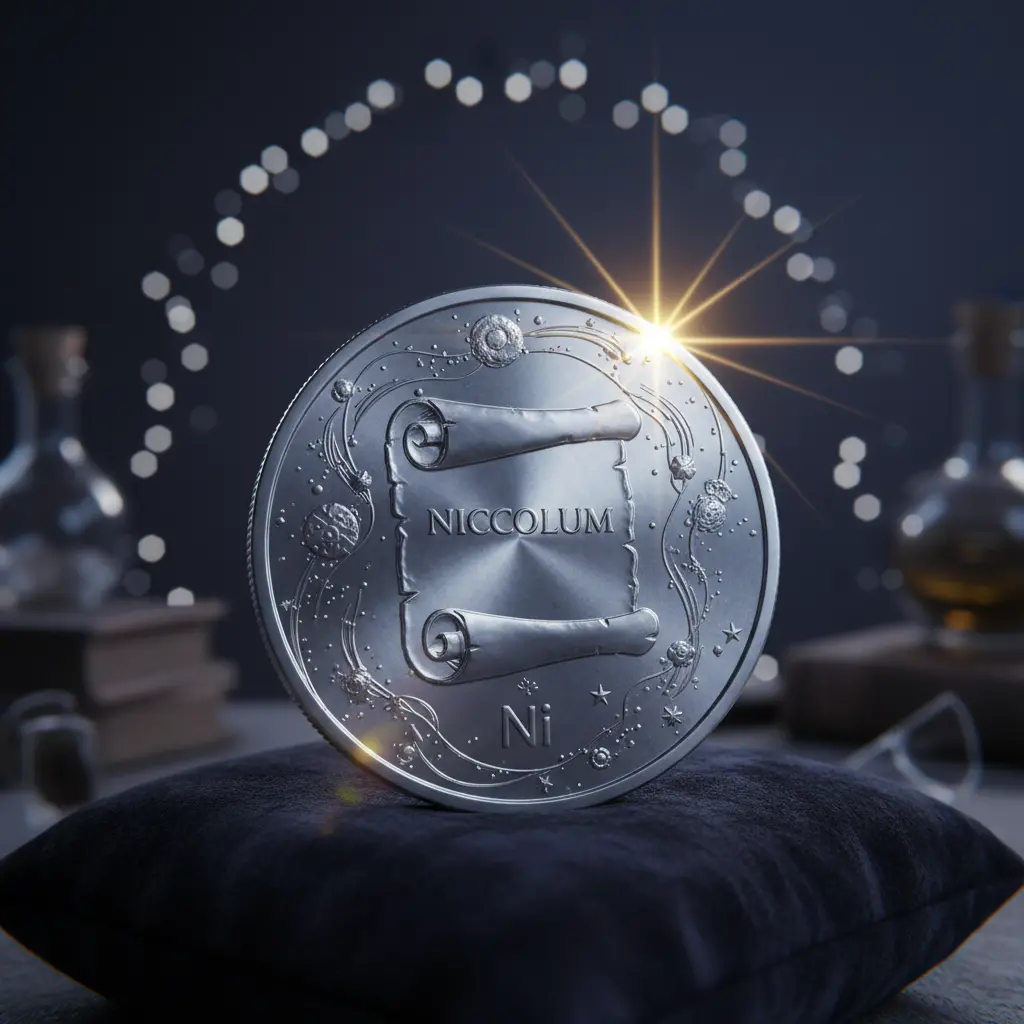
Root: niccolum (Latin) = nickel; Historical origin: Latin → Middle French → English; Memory image: Imagine a shining coin, glimmering like a star, representing the value and utility of nickel.
Note 1: These definitions and etymologies are not standard dictionary definitions, but extended explanations provided to help with memorization and understanding of the actual application of words. Through this background information, we strive to make words more vivid and easier to understand, and help you remember their meanings in real life.
Note 2: LexiTalk designs the learning flow around the linguistics principle of “Comprehensible Input.” When learners encounter material that is slightly above their level but still understandable from context, the brain naturally absorbs the language. That’s why we keep every word inside authentic contexts, using examples and associations to help you understand it and use it flexibly.
Read the FAQ explanation of Comprehensible InputI reach into my pocket and move a nickel between my fingers, feeling its edge cool under my skin. I turn it in my palm, push and pull as I decide where to use it, a small effort to make the moment fit. It slips into a vending machine or a fare box and clicks softly, the value quietly taking shape in my plan for the day. The metal is more than metal; it’s a tiny token I carry with me as I go about my errands.
Nickel is a versatile term in English. It refers to a metal sourced from the element nickel, used in making alloys, plating, and many everyday objects. It also designates the five-cent coin in the United States, a small denomination that can be spent or saved depending on context. In informal speech, nickel can mean a tiny amount of value, as in ‘not worth a nickel.’ Learners often confuse the coin sense with the metal, or assume nickel only appears in currency. Being aware of both meanings helps you understand phrases like nickel-and-dime, and keeps you from overreacting to small costs in conversation.
Nickel has two main senses in English (the metal and the US coin). Learners often translate nickel directly into their language as one thing, then stumble in contexts where the other meaning is meant. Idioms like nickel-and-dime are culture-specific to English-speaking countries.
Download LexiTalk app for personalized learning experience
Download AppCookies
We use cookies for essential site functions, analytics, and ads. You can accept, reject, or manage preferences. Privacy Policy