rest - Master This Word
Master this word with our 5-step learning method – Learn English in English
Train English Through Brain Routes, Not Translation.
This page helps you stop memorizing isolated translations and start understanding a word through its shared mental image, native-style thinking, and practical training steps.
Master this word with our 5-step learning method – Learn English in English
Example sentences are the start of understanding. Don't rush to memorize. First feel how the word works in a sentence.
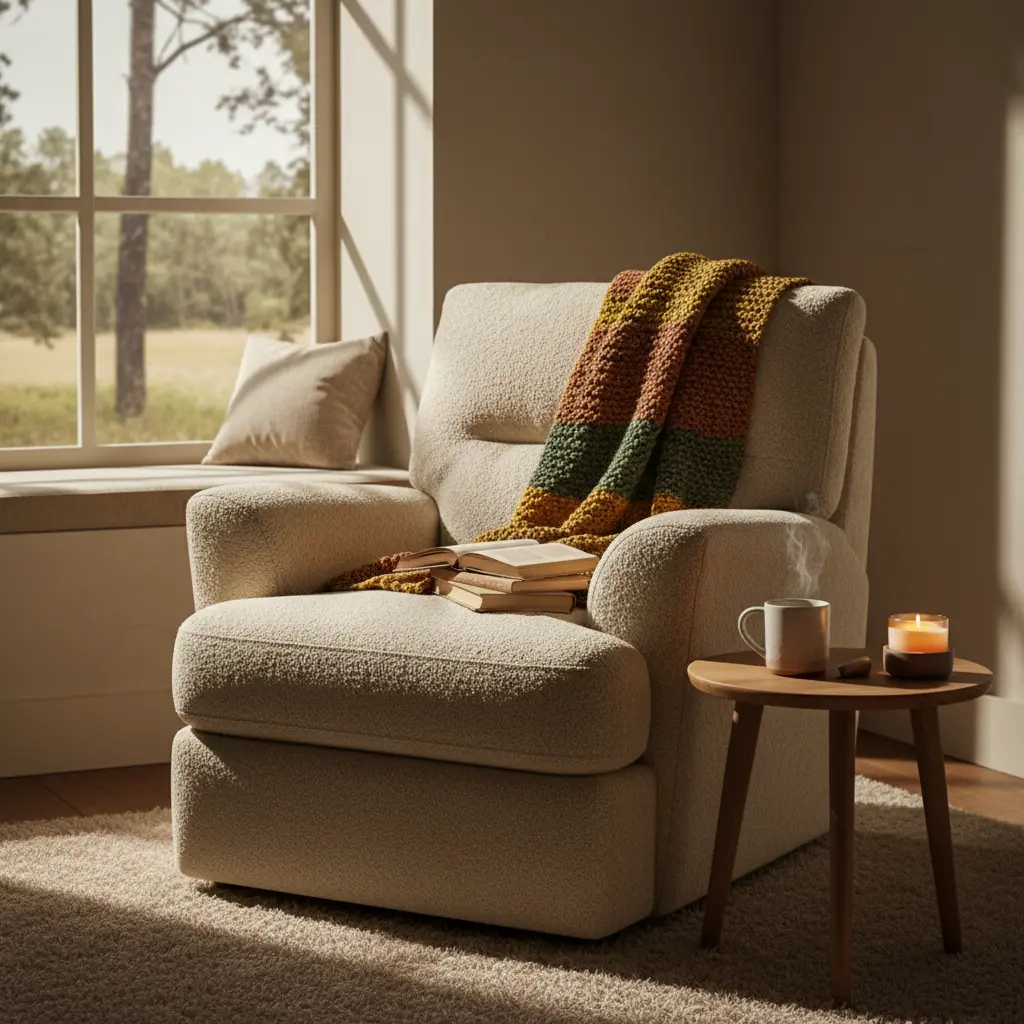
Rest comes from the Old English 'restan', derived from Proto-Germanic *rahs- meaning 'to rest'. Visualize a cozy chair inviting you to pause and unwind after a long day.
Note 1: These definitions and etymologies are not standard dictionary definitions, but extended explanations provided to help with memorization and understanding of the actual application of words. Through this background information, we strive to make words more vivid and easier to understand, and help you remember their meanings in real life.
Note 2: LexiTalk designs the learning flow around the linguistics principle of “Comprehensible Input.” When learners encounter material that is slightly above their level but still understandable from context, the brain naturally absorbs the language. That’s why we keep every word inside authentic contexts, using examples and associations to help you understand it and use it flexibly.
Read the FAQ explanation of Comprehensible InputI sit up, then ease back into the chair, letting the cushion hold me. I push aside the worries and shift my gaze to the breath, counting softly. A small change unfolds—my shoulders drop, the jaw loosens, the room slows a little. I keep this quiet space and let the moment settle, waiting for energy to return.
Rest is a versatile word in English that can describe both action and state. As a verb, it means to cease work or movement in order to relax, sleep, or regain energy. As a noun, rest refers to a period of inactivity, a break from activity, or a place or condition that allows recovery. In phrases, rest can also mean to be supported by something, as in the chair rests against the wall, or the weight rests on the column. Native speakers often contrast rest with stay, sit, or work, and it collocates strongly with words like break, nap, vacation, and restlessness (the opposite of rest). Learners sometimes confuse rest with stop or pause but not always the same duration.
In English thinking, rest often marks a pause that refreshes both body and mind; it can be voluntary and is not strictly tied to sleep.
What does the word 'rest' mean?
Which sentence uses the word 'rest' correctly?
Which word is most similar to 'rest'?
What is the opposite of 'rest'?
Can you think of a real-life scenario involving 'rest'?
Download LexiTalk app for personalized learning experience
Download AppCookies
We use cookies for essential site functions, analytics, and ads. You can accept, reject, or manage preferences. Privacy Policy