soldier - Master This Word
Master this word with our 5-step learning method – Learn English in English
Train English Through Brain Routes, Not Translation.
This page helps you stop memorizing isolated translations and start understanding a word through its shared mental image, native-style thinking, and practical training steps.
Master this word with our 5-step learning method – Learn English in English
Example sentences are the start of understanding. Don't rush to memorize. First feel how the word works in a sentence.
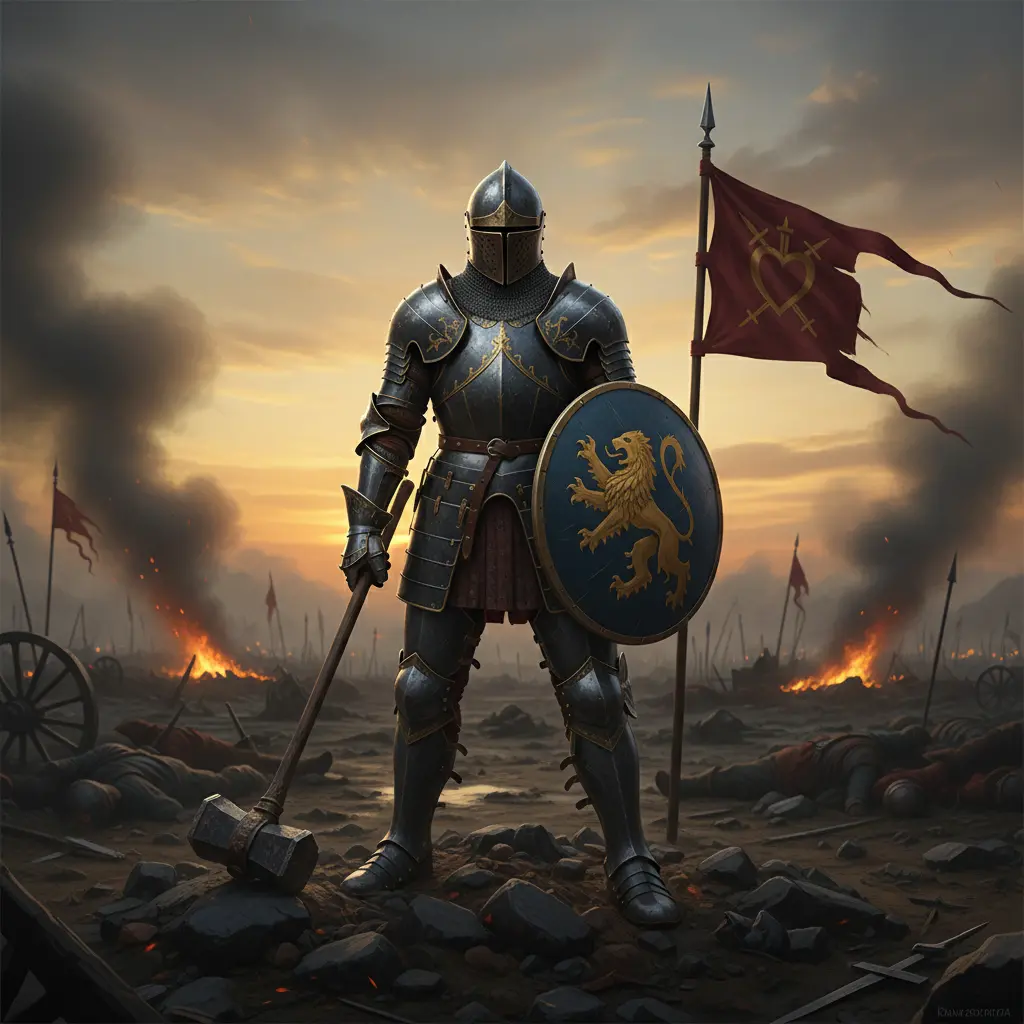
soldier: sol (from Latin 'solidus' meaning 'whole, solid') + dier (Old French 'soudier' meaning 'one who serves'). Visualize a sturdy person wearing armor, standing firm and whole in a battlefield, representing loyalty and bravery.
Note 1: These definitions and etymologies are not standard dictionary definitions, but extended explanations provided to help with memorization and understanding of the actual application of words. Through this background information, we strive to make words more vivid and easier to understand, and help you remember their meanings in real life.
Note 2: LexiTalk designs the learning flow around the linguistics principle of “Comprehensible Input.” When learners encounter material that is slightly above their level but still understandable from context, the brain naturally absorbs the language. That’s why we keep every word inside authentic contexts, using examples and associations to help you understand it and use it flexibly.
Read the FAQ explanation of Comprehensible InputI plant my feet, tighten my belt, and push my shoulders back as I step into a soldier's role. I move through the room, shift my weight, and keep my eyes steady, letting small adjustments tell me what to do. The air feels heavier, I adjust my stance, turn my body, and decide to stay alert. By the end, the scene feels like training, and the word soldier settles into my mind as a habit of action.
Soldier is a noun referring to a person who serves in an army, a member of a military force, or someone engaged in warfare. In everyday use, a soldier is contrasted with an officer, a civilian, or a veteran, and the word often carries connotations of discipline, training, loyalty, and bravery. The concept is concrete: a protected, uniformed individual who follows orders and can be deployed in combat or peacekeeping. Learners should note that 'soldier' is not interchangeable with 'policeman' or 'mercenary,' and 'soldiering' is a less common noun form. In many contexts, you will see compound terms like 'soldier-friendly' or phrases like 'everyday soldier' to emphasize the human aspect of military life.
English tends to emphasize concrete roles and clear distinctions (soldier vs officer vs civilian) and uses a wide range of idioms to describe soldiers in different contexts.
What is the meaning of the word 'soldier'?
In which situation would you most likely encounter a soldier?
Which word is similar to 'soldier'?
Which word is the opposite of 'soldier'?
In what real-life context would you see a soldier in action?
Download LexiTalk app for personalized learning experience
Download AppCookies
We use cookies for essential site functions, analytics, and ads. You can accept, reject, or manage preferences. Privacy Policy