spider - Master This Word
Master this word with our 5-step learning method – Learn English in English
Train English Through Brain Routes, Not Translation.
This page helps you stop memorizing isolated translations and start understanding a word through its shared mental image, native-style thinking, and practical training steps.
Master this word with our 5-step learning method – Learn English in English
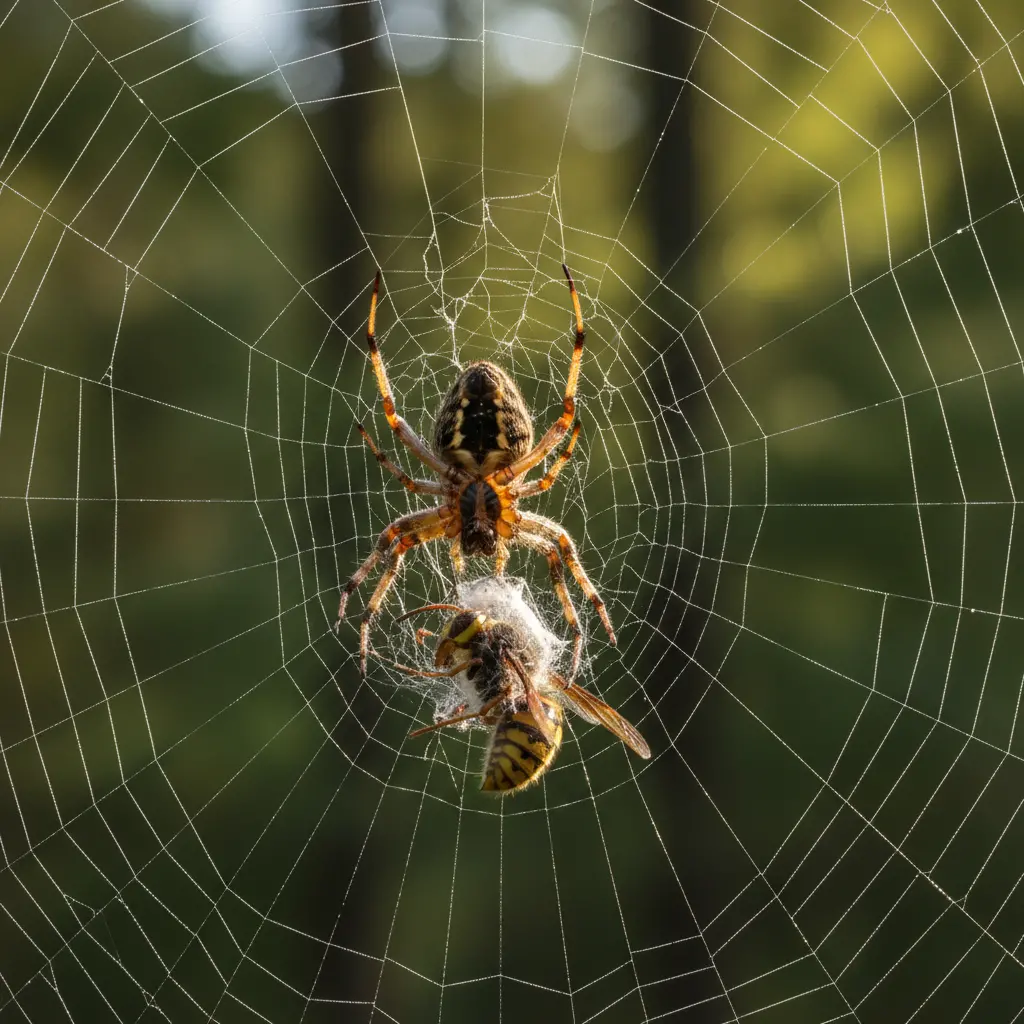
Example sentences are the start of understanding. Don't rush to memorize. First feel how the word works in a sentence.
spider = "spid" (to creep) + "er" (agent suffix). Originated from Old English 'spīther', from Proto-Germanic *spīðrō. Visualize a spider creeping along the web it spins, entrapping its prey.
Note 1: These definitions and etymologies are not standard dictionary definitions, but extended explanations provided to help with memorization and understanding of the actual application of words. Through this background information, we strive to make words more vivid and easier to understand, and help you remember their meanings in real life.
Note 2: LexiTalk designs the learning flow around the linguistics principle of “Comprehensible Input.” When learners encounter material that is slightly above their level but still understandable from context, the brain naturally absorbs the language. That’s why we keep every word inside authentic contexts, using examples and associations to help you understand it and use it flexibly.
Read the FAQ explanation of Comprehensible InputI set the scene with a slow breath, then push my chair closer and steady the notebook. I move a pencil across the page, letting a line change direction as I adjust my grip. A thin thread of work crawls from idea to page, and a small spider seems to tighten a web in my mind—holding the focus, weaving a path I can use in design or code. If someone tries to pull me off track, I turn, push back, and keep the plan in place.
Spiders are small eight-legged creatures that spin webs to catch prey. In everyday speech, spider can also describe a crafty person who traps others or manipulates a situation. In tech and design, a spider is software that crawls the web, indexing pages or testing links. The image of creeping and weaving helps memory: a spider moves across the web it spins while patiently waiting for prey. Learners should distinguish between the animal sense, the metaphorical sense of a trickster, and the technical sense in web-related fields; note that the pronunciation follows modern English patterns rather than the old roots.
Explain to an English speaker: English often uses spider for both the animal and the metaphorical person, and separately for tech terms like web crawlers.
What is the meaning of the word 'spider'?
Which of the following sentences uses the word 'spider' correctly?
What is a synonym for 'spider'?
What is an opposite (antonym) for 'spider'?
In what real-life context would you most likely encounter a spider?
Download LexiTalk app for personalized learning experience
Download AppCookies
We use cookies for essential site functions, analytics, and ads. You can accept, reject, or manage preferences. Privacy Policy