clock - Master This Word
Master this word with our 5-step learning method – Learn English in English
Train English Through Brain Routes, Not Translation.
This page helps you stop memorizing isolated translations and start understanding a word through its shared mental image, native-style thinking, and practical training steps.
Master this word with our 5-step learning method – Learn English in English
Example sentences are the start of understanding. Don't rush to memorize. First feel how the word works in a sentence.
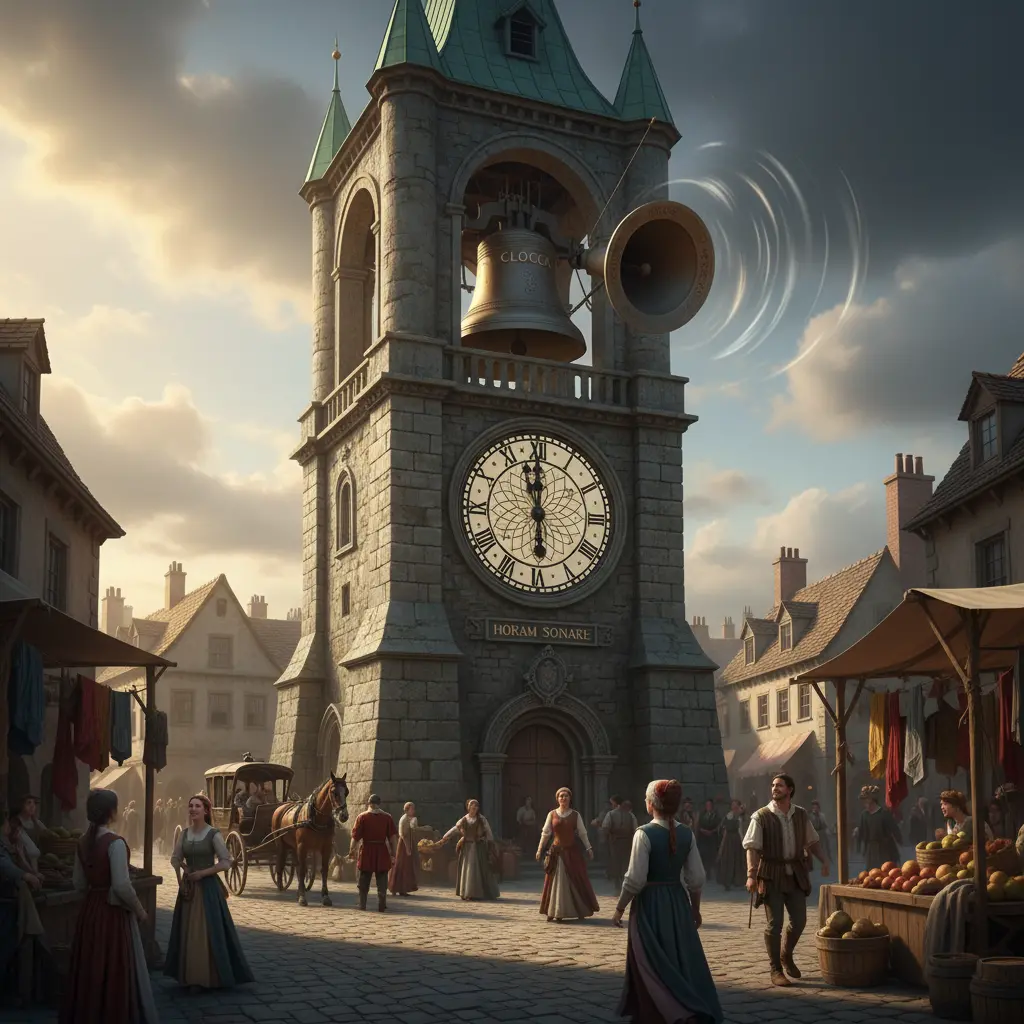
Root: clocca = bell (related to the sound it makes). Historical origin: Old French 'cloche' → Middle English 'clocke'. Memory image: Imagine a decorative clock tower ringing its bell on the hour, marking time in a bustling town square.
Note 1: These definitions and etymologies are not standard dictionary definitions, but extended explanations provided to help with memorization and understanding of the actual application of words. Through this background information, we strive to make words more vivid and easier to understand, and help you remember their meanings in real life.
Note 2: LexiTalk designs the learning flow around the linguistics principle of “Comprehensible Input.” When learners encounter material that is slightly above their level but still understandable from context, the brain naturally absorbs the language. That’s why we keep every word inside authentic contexts, using examples and associations to help you understand it and use it flexibly.
Read the FAQ explanation of Comprehensible InputI pick up a clock and hold it steady, my fingers finding the small dial. I turn the minute hand with careful push and a slight twist, watching the numbers shift. The room quiets as I match my breath to the ticking, keeping a rhythm in mind. As the clock settles, I sense how I use it to mark meetings, meals, and tiny moments; time changes when I decide what to do next.
Clocks are devices that tell the time, ranging from small wristwatches to large public towers. As a noun, clock refers to an instrument for measuring and indicating time, and in everyday English we also use verbs and phrases around clocks, such as clock in, clock out, and clock speed in a stopwatch-like sense. People talk about wall clocks, alarm clocks, grandfather clocks, and even marine chronometers as types of clocks. The word contrasts with watch, which is portable and worn on the wrist. Historically, clocks often featured bells that rang on the hour, reinforcing public awareness of time in town life.
Clock is a fixed timepiece concept in English, so learners must distinguish it from portable watches and from time-counting tools like timers. Mistakes often involve using clock for watches or using clock in/out without workplace context.
What is the meaning of the word 'clock'?
Which sentence uses the word 'clock' correctly?
Which word is most similar to the word 'clock'?
What is the opposite of the word 'clock'?
Can you give an example of a real-life scenario of 'clock'?
Download LexiTalk app for personalized learning experience
Download AppCookies
We use cookies for essential site functions, analytics, and ads. You can accept, reject, or manage preferences. Privacy Policy